Chemical Tanker Crew Requirements | Norstar Crew Management
Cargo Complexity, Certification and Compliance
Everything you need to know about chemical tanker crew requirements.
Chemical tankers carry some of the most complex and variable cargo of any commercial vessel type — from base petrochemicals to specialty liquids, often several grades on a single voyage. But behind every compliant, safely operated chemical tanker is a crew that meets requirements more specific than general tanker certification.
Whether you are a vessel owner ensuring your fleet stays operationally and legally sound, or a seafarer planning your route into chemical tanker deployment, understanding chemical tanker crew requirements is essential. Get them wrong as an operator, and you risk cargo contamination, vetting rejection, and commercial disruption. Get them right as a seafarer, and you open a path into one of the more specialised, better-compensated segments of tanker shipping — explore seafarer opportunities with Norstar here.
This guide covers what makes chemical tanker crewing different, the certifications involved — STCW tanker endorsements and the IBC Code — and MLC 2006 obligations.
What Makes Chemical Tanker Crewing Different
Chemical tankers move dozens of different cargo grades, sometimes several on a single voyage, each with its own compatibility profile, tank coating requirements, and cleaning procedure between loads. Product tankers typically carry a narrower range of cargo types, often on repeat routes.
That changes what “competent” looks like onboard. An officer who has spent years on product tankers may hold the right rank and general tanker endorsements, but multi-grade cargo sequencing, cargo compatibility assessment, and tank cleaning discipline between grades are skills built specifically on chemical tankers. A tank that looks clean can still fail a wall-wash test, and a small error in segregation or line preparation can contaminate a whole cargo parcel.
In practice, crew management sits at the intersection of human resources, maritime law, international compliance and logistics. It is one of the most operationally complex functions in ship ownership — and one of the most frequently outsourced.
A crew management company — sometimes called a crew manager or crewing company — takes responsibility for this function on behalf of the ship owner. Rather than building an in-house crewing department, operators engage a specialist provider to manage their seafarers professionally, compliantly and efficiently.
For Operators
Treating “tanker experience” as interchangeable across tanker segments is where vetting and cargo risk quietly accumulates. Confirm cargo-type-specific experience during vetting, not just endorsement level.
For Seafarers
Chemical tankers are a distinct specialisation within tanker shipping. Time served on product tankers is a foundation, not a substitute, for chemical-specific cargo experience — building that experience deliberately strengthens your career path into more senior chemical tanker roles.
Chemical Tanker Certification Requirements: STCW and Beyond
All crew aboard a chemical tanker must hold valid, flag-state-endorsed STCW certifications appropriate to their rank, with additional endorsements specific to chemical cargo operations:
Deck Officers Require:
• Certificate of Competency (CoC) at the correct level — OOW, Chief Mate, or Master
• Basic Safety Training (BST): personal survival, fire prevention, first aid, personal safety
• Basic and Advanced Training for Oil and Chemical Tanker Cargo Operations (STCW Reg V/1-1)
• Proficiency in Survival Craft and Rescue Boats (PSCRB)
• Advanced Fire Fighting (AFF)
• Bridge Resource Management (BRM)
• Working familiarity with the IBC Code's cargo compatibility and carriage requirements for the grades the vessel actually carries
Engine Officers Require:
• Certificate of Competency as EOOW, Second Engineer, or Chief Engineer
• Basic and Advanced Training for Oil and Chemical Tanker Cargo Operations
• Engine Room Resource Management (ERM)
• Basic and Advanced Training for Oil and Chemical Tanker Cargo Operations
• Engine Room Resource Management (ERM)
Ratings Require:
• Able Seafarer Deck (ASD) certification
• Basic Safety Training (BST)
• Basic Training for Oil and Chemical Tanker Cargo Operations, for ratings forming part of the cargo watch
• Basic Safety Training (BST)
• Basic Training for Oil and Chemical Tanker Cargo Operations, for ratings forming part of the cargo watch
For Operators
A valid oil-and-chemical tanker endorsement confirms a baseline — it does not confirm chemical-specific cargo experience. The two are often conflated during recruitment, and that gap is where cargo handling risk shows up.
For Seafarers
Advanced Training for Oil and Chemical Tanker Cargo Operations is mandatory before serving in a supervisory cargo role on a chemical tanker. Beyond the mandatory course, actively seeking chemical-grade cargo exposure — not just tanker sea time — is what differentiates a competitive CV for chemical tanker roles.
What to Verify Beyond the Certificate
A valid endorsement confirms a baseline. For a chemical tanker posting, operators should also look at what an officer has actually done:
- The cargoes handled, not just the vessel type
- Experience with multiple chemical grades, including how many were carried at once
- Cargo segregation and contamination prevention
- Tank cleaning planning and execution, including wall-wash requirements
- Use of cargo operation manuals and compatibility guides
- Terminal vetting and inspection exposure: PSC, SIRE 2.0, CDI and charterer inspections
- Any history of cargo contamination, cargo claims or safety observations
- Familiarity with the vessel’s cargo systems, such as nitrogen, deepwell pumps and cargo heating
A short conversation about a real cargo operation the officer has managed usually says more than a sea-service record.
IBC Code and Cargo-Specific Compliance
The International Code for the Construction and Equipment of Ships Carrying Dangerous Chemicals in Bulk (IBC Code) governs cargo compatibility, ship type classification, and carriage requirements specific to chemical tankers. Alongside MARPOL Annex II — which covers noxious liquid substances rather than the oil-focused provisions that oil tanker crew rely on most— it forms the compliance backbone that sits on top of general tanker certification.
The IBC Code sorts chemical tankers into three ship types based on the hazard level of the cargoes they’re built to carry — and the type a vessel is classified under has a direct bearing on what its crew need to know:
| Type | Hazard Level | What It Means for Crewing |
|---|---|---|
| ST1 | Highest — cargoes requiring maximum containment | Strictest survival and containment standards; crew need the deepest cargo-specific familiarity, as these cargoes carry the least margin for error |
| ST2 | Significant — enhanced segregation required | Crew must be confident in segregation and compatibility procedures across multiple simultaneous grades |
| ST3 | Moderate — standard chemical tanker safeguards | Still requires chemical-specific training beyond general tanker certification, even at the lower end of the hazard scale |
For Operators
A vessel’s ST classification is a useful proxy for how demanding its crewing requirements are — an ST1 vessel carrying the most hazardous cargoes warrants more rigorous vetting of cargo-specific experience than an ST3 vessel, even though both require chemical tanker certification.
Certificates alone do not guarantee this competency is present onboard. Sector-specific experience matters enormously here, and operators who move officers between product and chemical tanker deployments without accounting for that difference risk introducing gaps that certificates alone will not reveal. For a deeper look at why this distinction matters across tanker sectors more broadly, read our analysis on critical distinctions in tanker and bulk carrier manning.
MLC 2006: Seafarer Rights and Operator Obligations
The Maritime Labour Convention 2006 sets minimum standards for working conditions aboard all commercial vessels, including chemical tankers. Key obligations for operators include:
Seafarers’ Employment Agreements in place for all crew before departure
- Rest hour compliance: STCW and MLC rest hour requirements observed and recorded, with particular attention during multi-grade cargo operations where watch demands increase
- Valid medical fitness certificates (ENG1 or equivalent) for all crew
- Repatriation provisions documented and in place
- Crew covered by appropriate P&I and insurance arrangements
For Seafarers
MLC is your protection at sea — it guarantees minimum wage standards, mandated rest hours, access to medical care, and the right to be repatriated at the operator's cost. Confirm your Seafarers' Employment Agreement reflects these rights before you sign on to a chemical tanker deployment.
Norstar Crew Management: Chemical Tanker Crewing Support
Managing chemical tanker crew requirements across multiple cargo grades and flag states is complex and time-sensitive. Norstar Crew Management currently sources more than 700 tanker crew across chemical, product, and gas tanker deployments, drawing primarily from Myanmar and supplemented by established networks in India and the Philippines. Our end-to-end tanker crew management services are backed by a shore team led by former captains and chief engineers —which shapes how crew are assessed for cargo-specific readiness, not certification alone. Our Senior Crewing and Recruitment Manager for tanker crew explains what he looks for in Hiring Chemical Tanker Officers: What We Look for Beyond the Certificate.
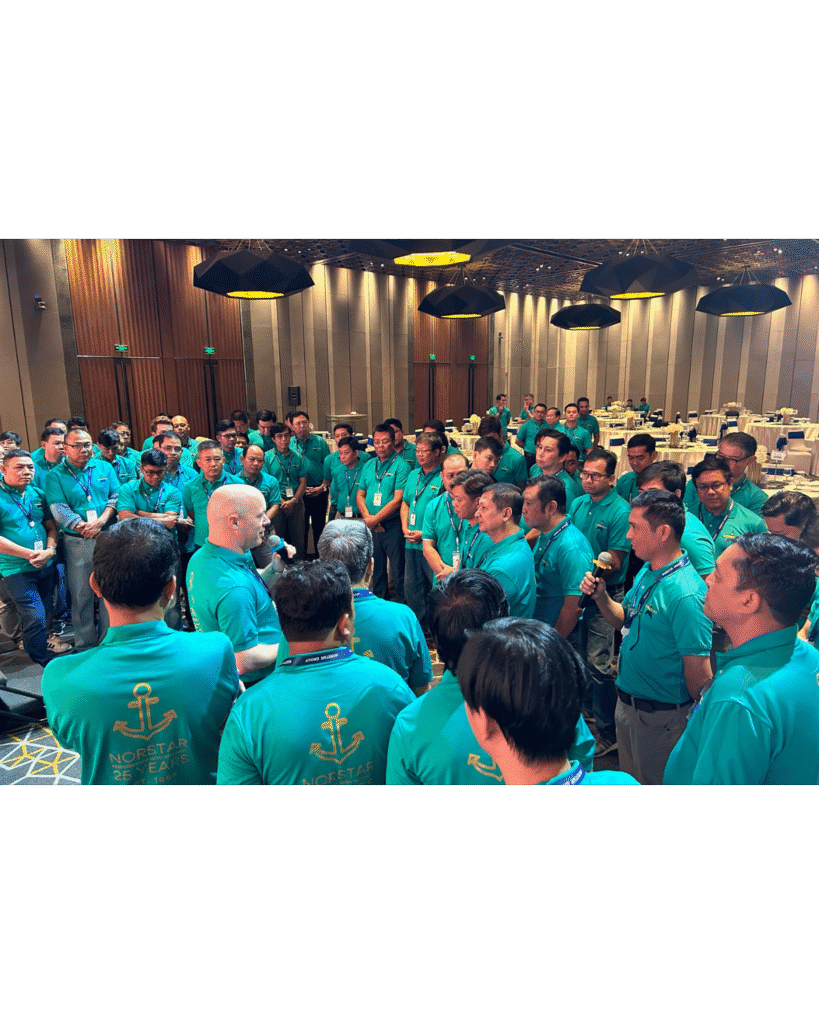
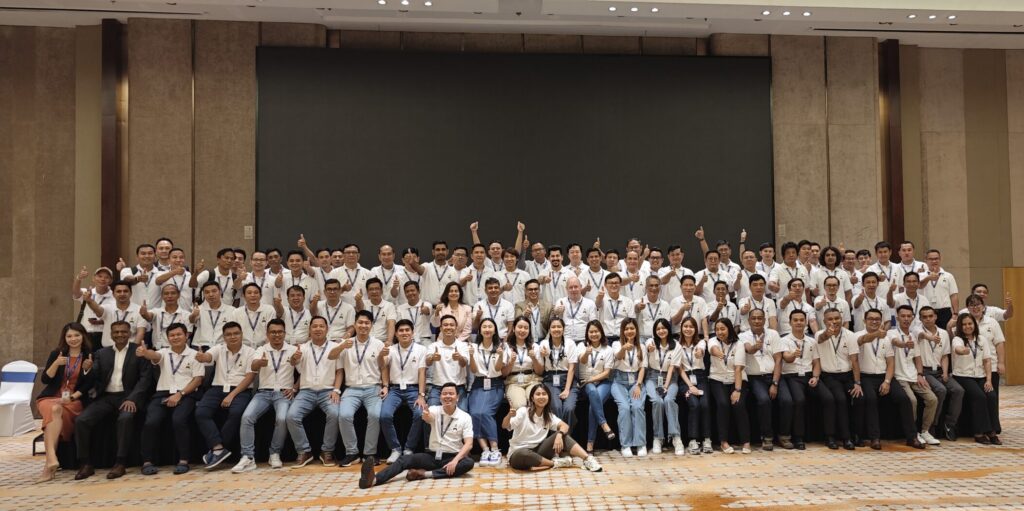
Crew rotation planning is structured to preserve vessel familiarity where possible, and our bi-annual Officers’ Conferences give shipowners and senior crew a direct forum to align on cargo handling standards and vetting expectations across the fleet. Norstar Crew Management’s own crew retention rate currently averages 98%, supporting the kind of continuity that reduces familiarisation risk on complex cargo operations.
For seafarers, working with Norstar means placement with operators who maintain full compliance, proper contracts, and a professional working environment. Explore current opportunities on our Seafarers page, or see how our approach compares across vessel types in our guide to bulk carrier crew requirements.
Whether you’re reviewing your current crew management model or looking for a new partner – Talk to us about your chemical tanker crewing requirements.
Whether you're reviewing your current crew management model or looking for a new partner, we're happy to walk through what Norstar can offer.
Talk to us about your crewing requirements
Share the Post:
Related Posts

We connect ship owners with competent crew and seafarers with global opportunities.
Quick Links
Get In Touch
Copyright © 2026 Norstar Crew Management. All Rights Reserved.