Critical Distinctions in Tanker and Bulk Carrier Manning: Why Sector Experience Is Everything
There is a tempting shortcut in maritime workforce planning: a certified officer is a certified officer. The licence is valid, the sea time is logged, the STCW box is ticked. Move them where the gap is.
It is a shortcut that can quietly erode your vetting performance, your structural safety record, and your commercial reliability — often before anyone has identified the source of the problem.
The truth is that tanker and bulk carrier operations do not simply require different technical skills. They require different professional identities. A great tanker officer and a great bulk carrier officer are both exceptional mariners — but they are exceptional in fundamentally different ways. Understanding that distinction is not a crewing preference. It is a strategic necessity.
Zero-Tolerance: The Psychology and Vetting Complexity of Tanker Manning
Tanker operations exist in a high-consequence, high-scrutiny environment where the cost of error — regulatory, environmental, commercial — is measured in magnitudes rather than degrees. This shapes the psychology of the effective tanker officer in ways that go beyond procedure. In this sector, zero-tolerance is not a policy. It is a professional mindset.
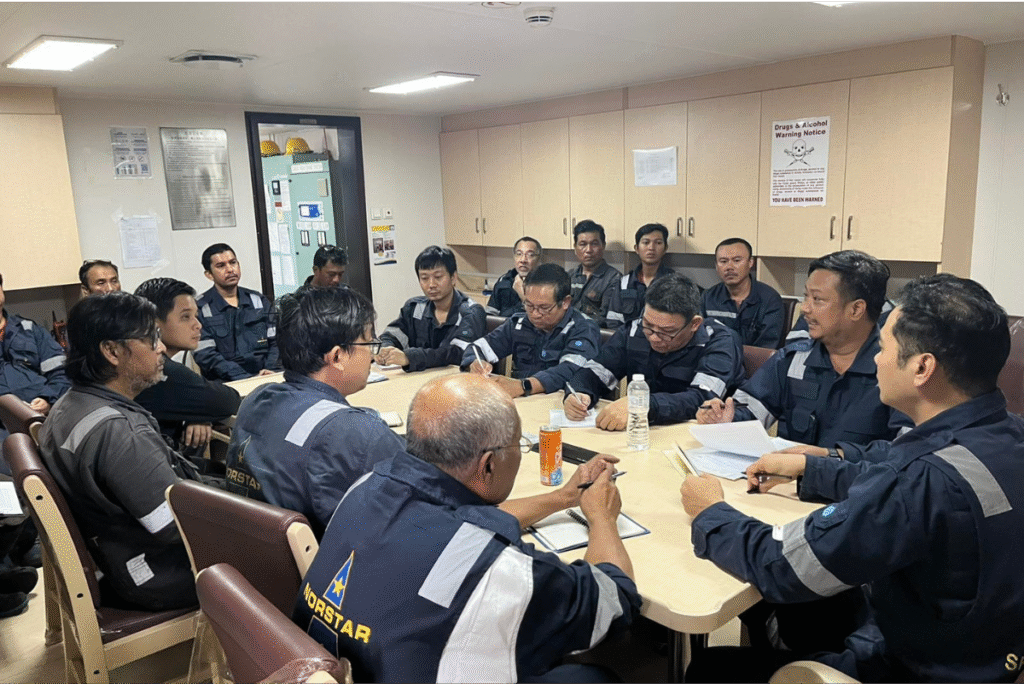
Operating under STCW’s additional endorsement requirements for oil and chemical tankers, and subject to the expectations of frameworks like The International Safety Guide for Oil Tankers and Terminals (ISGOTT) and major oil company vetting regimes, tanker officers must internalise a compliance mindset that is not merely rule-following. It is anticipatory. They are not thinking about what went wrong — they are thinking about what could go wrong, what the inspector will look for, and whether the paper trail reflects the discipline of the operation.
This is why repeat deployment matters so much in tanker crewing. Vetting inspectors look for continuity. They look for officers who know the vessel’s systems, who have signed off on the same procedures across multiple voyages, and whose documented experience tells a coherent story. Rotating officers through tanker roles to fill short-term gaps introduces vetting risk that accumulates quietly — and surfaces at the worst possible moment.
The tanker officer's core identity is zero-tolerance precision and compliance. That is not a constraint on their ability. It is the expression of it.
Structural Integrity: Technical Specialisation in Bulk Carrier Manning
Where tanker operations demand zero-tolerance procedural precision, bulk carrier operations demand structural integrity — a feel for how the vessel behaves under load, and an instinct for when something is not right.
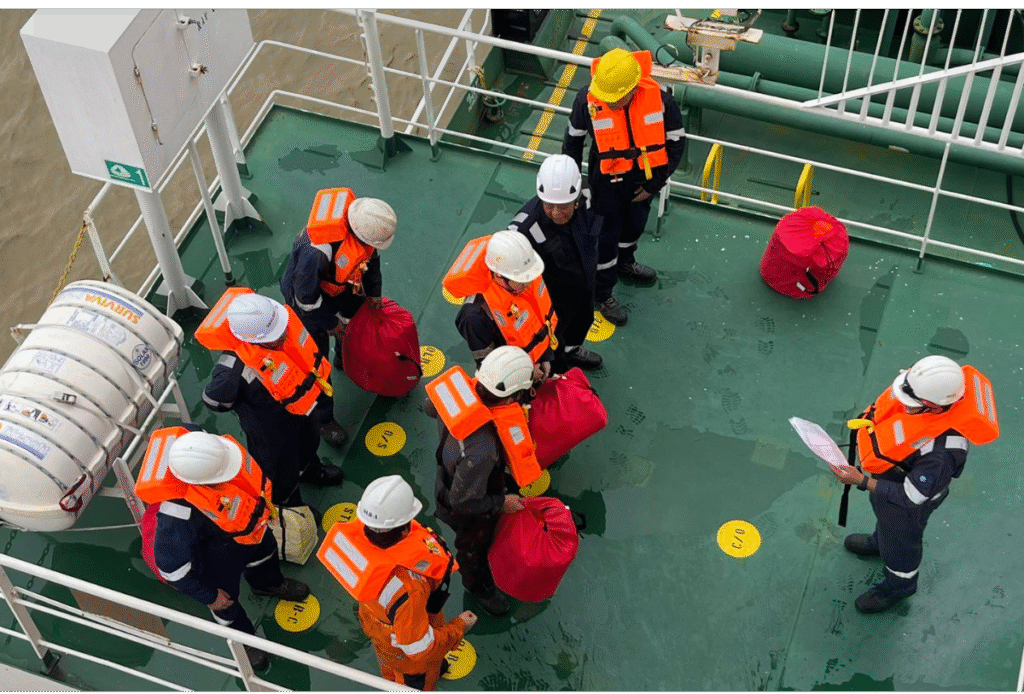
Bulk carriers transport some of the world’s heaviest and most variable cargoes: iron ore, coal, grain, fertiliser. The loading and discharge of these cargoes places enormous and shifting stresses on the vessel’s structure. An officer who cannot read a loading plan with structural consequence in mind is not simply undertrained. They are a risk.
The competencies that matter here — cargo trimming and distribution, ballast management, stability calculations, hatch cover integrity, draft survey coordination — are not glamorous. They do not feature in the high-visibility risk narratives that dominate maritime safety conversations. But they are where bulk carrier casualties begin. Cargo liquefaction, structural failure under heavy weather, water ingress through poorly maintained hatch covers: these are the failure modes that end voyages and, in the most serious cases, end lives.
The bulk carrier officer's core identity is structural integrity and heavy-duty operational command. They are managing mass, stress, and stability across voyages where conditions and cargo profiles change constantly.
Turnaround Pressure, Cargo Operations, and the Commercial Dimension
Both vessel types operate under commercial pressure. But the nature of that pressure — and its interaction with safe operations — differs in ways that matter for crew selection.
Tanker turnarounds are tightly choreographed. Cargo transfer operations involve complex systems, strict pollution prevention protocols, and the ever-present reality that a procedural shortcut has consequences that extend far beyond the vessel. Officers must be able to hold the line on process discipline even when charterers are pushing for faster turnaround. That requires not just technical knowledge, but the confidence to manage commercial pressure without compromising safety protocol.
Bulk carrier operations introduce a different commercial tension: the variability of dry cargo trades. Trading routes change. Cargo types change. Port conditions change. The officer who thrives in this environment is operationally adaptable — capable of adjusting a loading plan mid-port-call, coordinating draft surveys under time pressure, and managing a diverse range of stevedore and port authority relationships. Flexibility is not a soft skill here. It is an operational competency.
This commercial dimension is perhaps the least visible aspect of the officer profile — and the most consequential one to get wrong. An officer with deep tanker experience placed in a demanding bulk carrier trade will not simply face a learning curve. They will face a fundamentally different commercial environment that rewards a different set of instincts.
Don't Hire for the Licence. Hire for the Commercial DNA.
The licence confirms that an officer meets the minimum standard. It says nothing about whether they have developed the professional identity that the sector demands.
A great tanker officer is a master of zero-tolerance precision and compliance — someone who understands that the inspection, the vetting report, and the cargo operation are all expressions of the same discipline. A great bulk carrier officer is a master of structural integrity and heavy-duty operational command — someone who reads a vessel’s condition the way a structural engineer reads a building under load.
These are not interchangeable profiles. They are different professional archetypes, developed through sector-specific experience that cannot be replicated by a certificate alone.
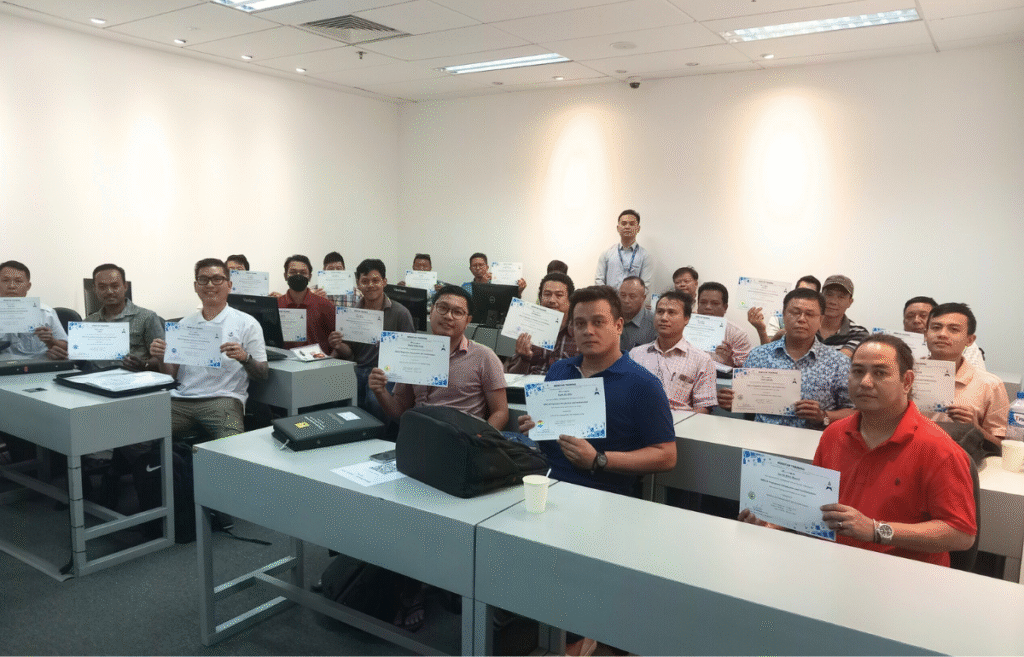
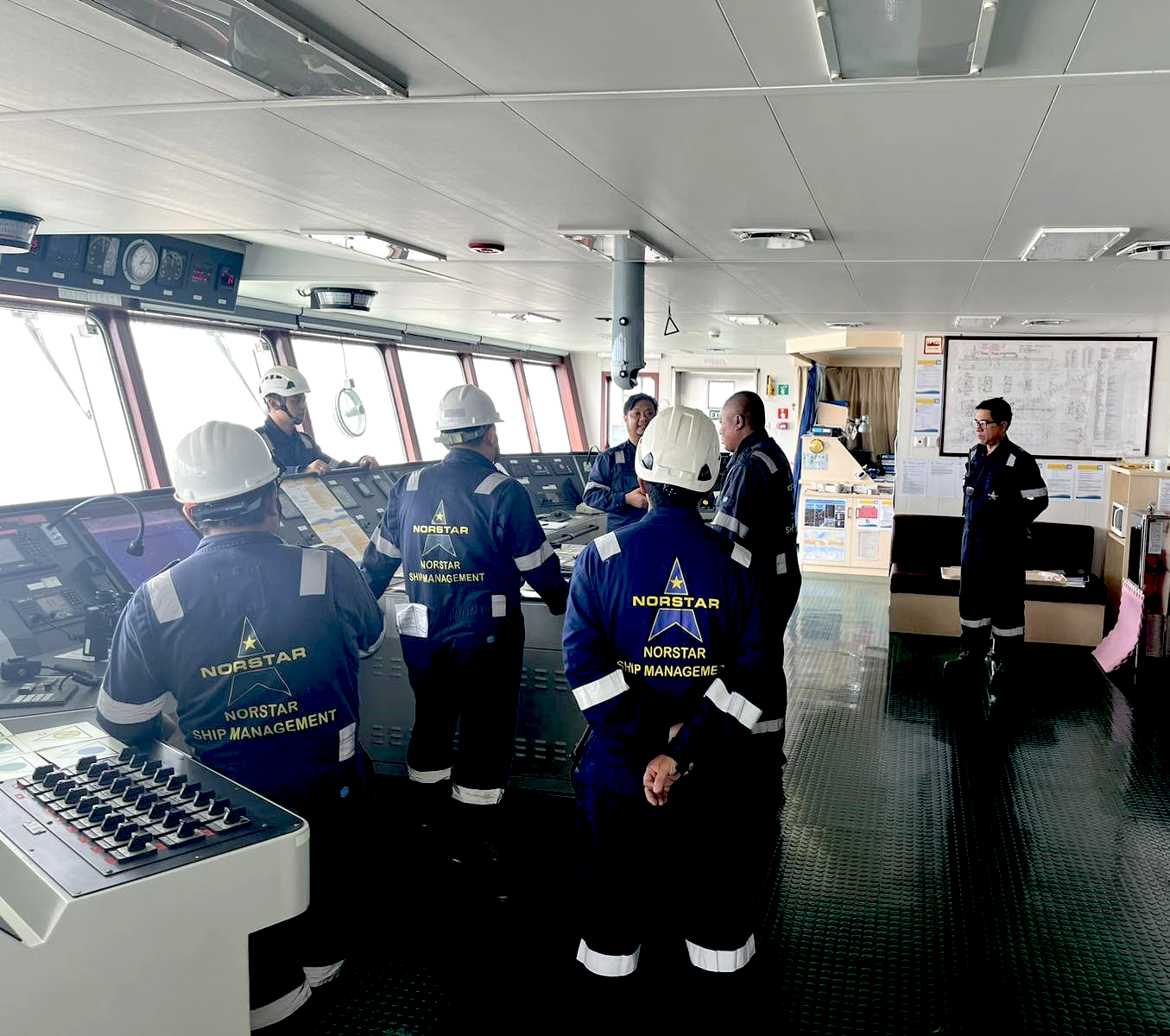
At Norstar Crew Management, our crewing model is built around this reality. Central to it is a dedicated crewing team that includes senior officers who have sailed across multiple vessel types — including tankers and bulk carriers. Our technical and marine superintendents also often play a role. This means that when we assess a candidate, we are not working from a checklist. We are drawing on the lived experience of people who have been in leadership positions onboard, managed cargo operations, and navigated the commercial pressures of these trades themselves. That depth of insight is what allows us to evaluate not just a seafarer’s certificates, but their operational instincts and sector readiness.
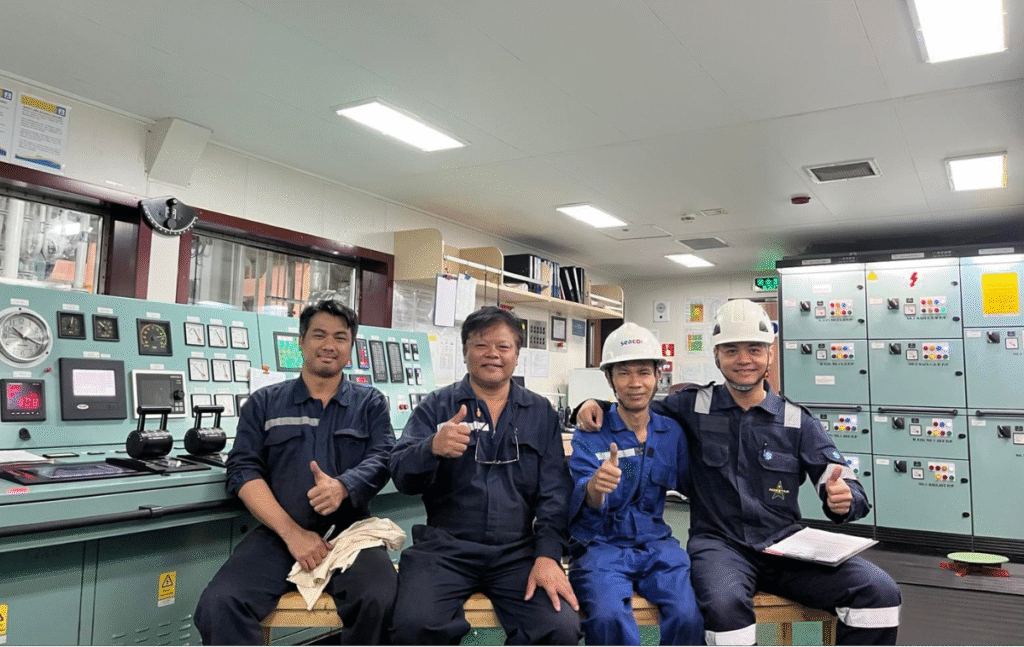
For tanker fleets, we prioritise stable and often dedicated crew pools built for and with our Partners, repeat deployment patterns, and endorsement alignment that sustains vetting performance and procedural discipline over the long term. For bulk carrier fleets, we focus on structural awareness, operational adaptability, and deliberate sourcing strategies that match the demands of variable dry cargo trades.
Effective maritime workforce planning does not begin with who is available. It begins with understanding what the sector genuinely requires — and building a crew profile that reflects those requirements from the first deployment.
Share the Post:
Related Posts
Your fleet is growing — and so should your access to qualified seafarers.
Let's build your crew strategy — together.

We connect ship owners with competent crew and seafarers with global opportunities.