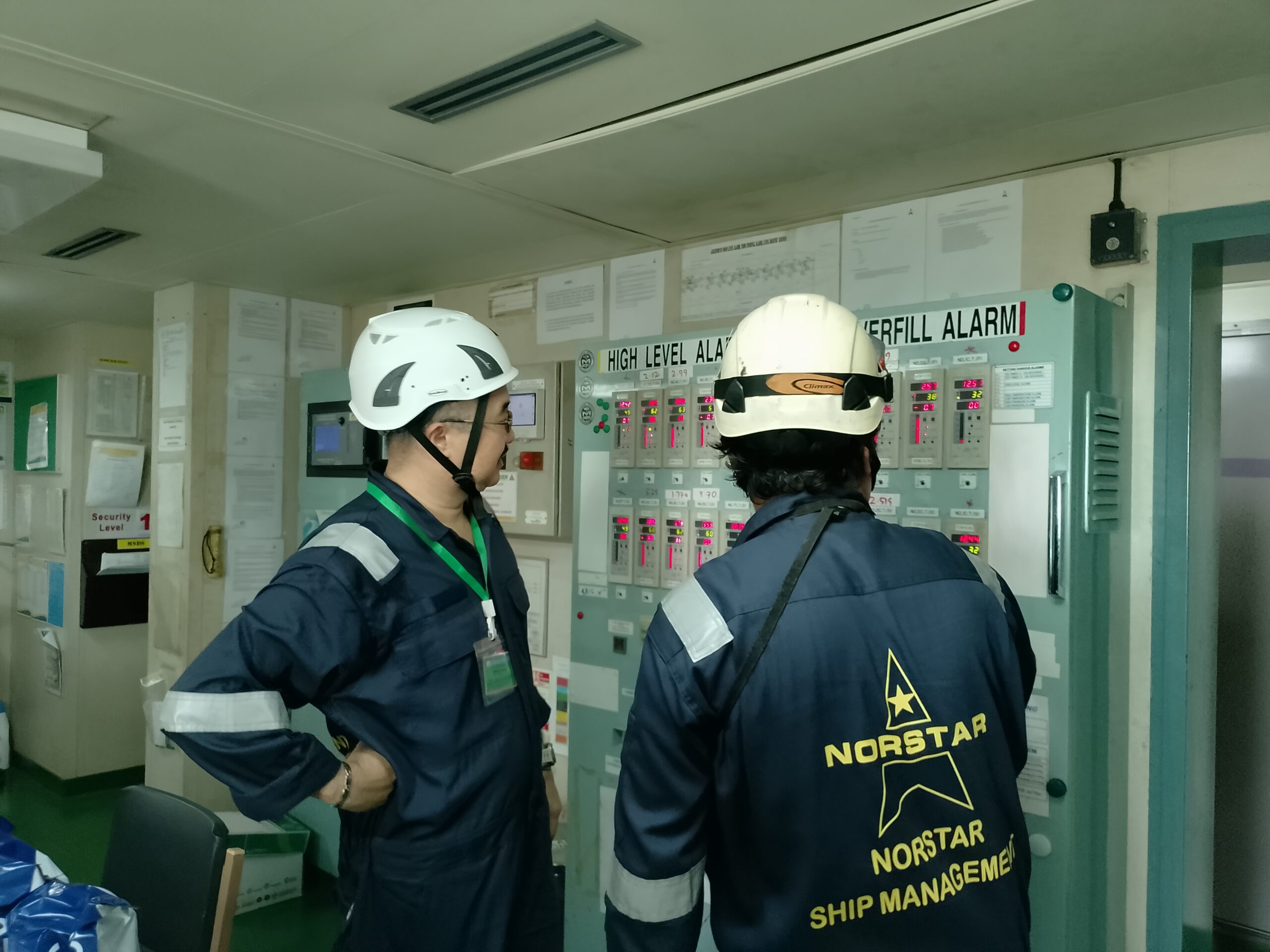
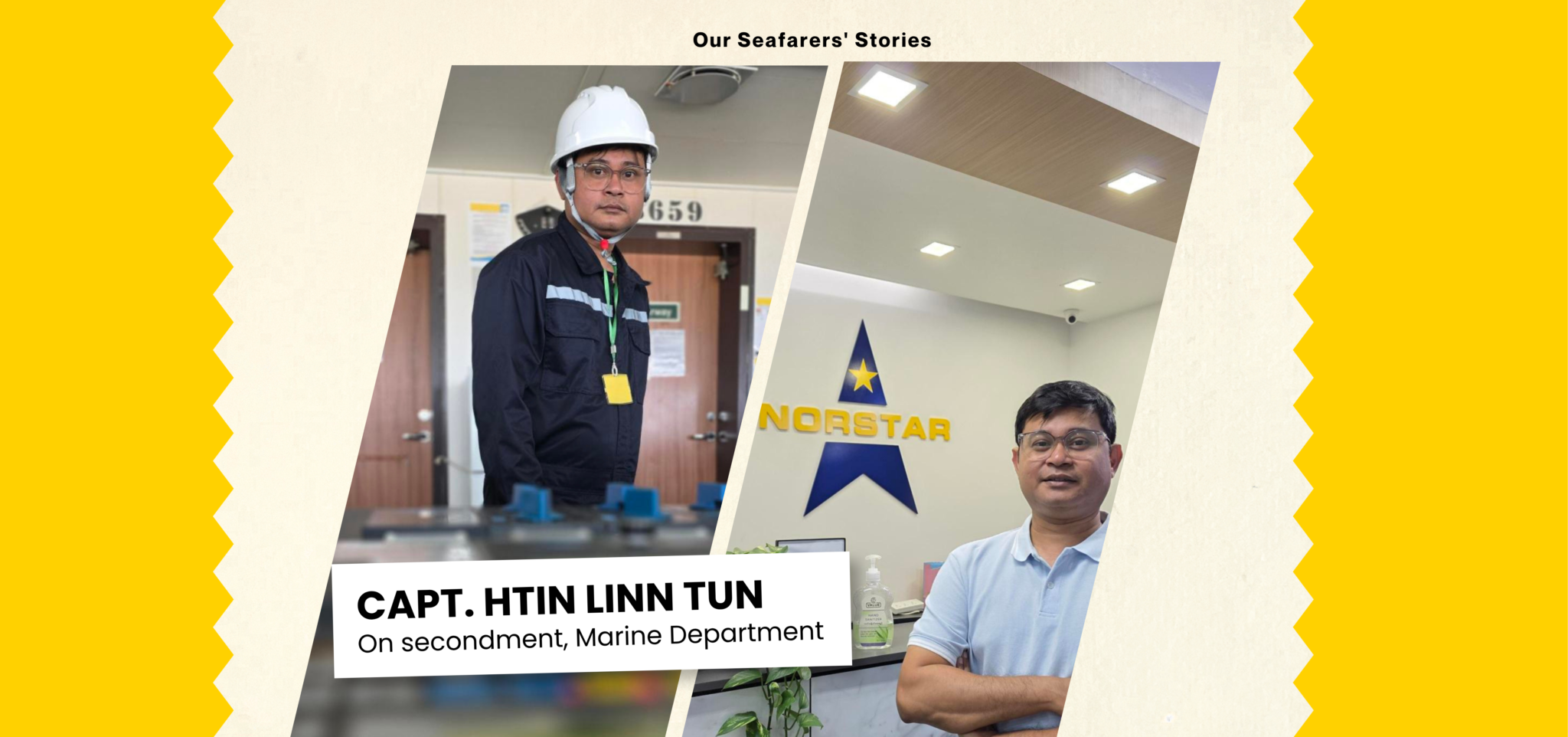
Seafarer Secondment Programme: A Captain’s Month Ashore | Norstar Crew Management
SEAFARER SPOTLIGHT | CAREER PATHWAYS
Capt. Htin Linn Tun spent a month in Norstar’s Marine Department in Yangon. His story shows how Norstar develops officers who understand both ship and shore.
Norstar’s seafarer secondment programme lets officers see what most never do: the shore side of operations. Most seafarers know their Marine Superintendent only as a voice on the phone or a name on an email.
Capt. Htin Linn Tun did. As part of Norstar’s commitment to seafarer development and stronger ship-shore collaboration, he completed a one-month Marine Department secondment in Yangon office under Norstar’s seafarer secondment programme. We spoke with him about what he saw, what surprised him, and what he is taking back to sea.
Why a secondment?
Capt. Htin Linn Tun wanted to understand how decisions are made ashore.
“While serving onboard, I regularly communicated with Marine Superintendents, but I wanted to see firsthand how decisions are made, support is coordinated, and vessel-related issues are managed. I believed this experience would strengthen my understanding of ship-shore cooperation and support my professional development.”
Working alongside the Marine Superintendents
During the month, he supported the Marine Superintendents and joined their daily work, including:
- SIRE 2.0 preparations
- Vessel inspection readiness
- Documentation reviews
- Fleet maintenance initiatives
- Officer interviews
“The experience gave me valuable insight into both the operational and administrative aspects of marine management.”
Behind the scenes: how shore teams support vessels
The biggest lesson was how much support shore teams provide that vessels never see. The Marine Department helps vessels with inspections, audits, operational challenges, incident management, compliance requirements, cargo-related matters, and safety improvements.
He also saw how closely the Marine, Technical, and Crewing Departments work together so that vessels get the resources, guidance, and approvals they need to operate safely and efficiently.
What surprised him
It was the volume of work.
“Marine Superintendents and other office staff often provide support to multiple vessels at the same time while responding to operational issues, inspections, reports, and urgent requests. Their commitment and responsiveness, often extending beyond normal office hours, play a significant role in ensuring vessels continue operating safely and efficiently.”
Seeing ship-shore collaboration from both sides
His time ashore confirmed what he already believed about ship-shore communication, and deepened it.
“The experience reinforced my understanding of how important a strong ship-shore relationship is to safe and successful operations. While it was largely consistent with my expectations, I gained a deeper appreciation for the amount of coordination and support provided by the office. It highlighted the importance of timely communication, mutual trust, and collaboration between vessels and shore teams.”
What he will do differently at sea
The main change is speaking up earlier.
“If I encounter concerns relating to safety, navigation, cargo operations, compliance, or crew matters, I will engage with the relevant Marine Superintendent at an early stage. I now have a greater understanding of the resources and expertise available ashore, and how early communication can help resolve issues more effectively."
For a vessel, that kind of early communication is what keeps a small concern from becoming an incident.
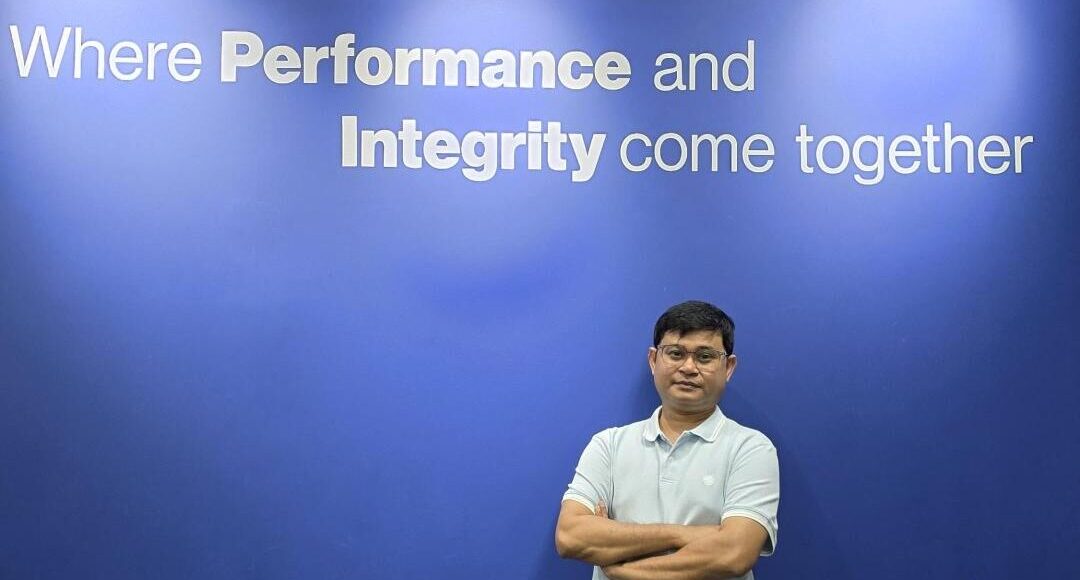
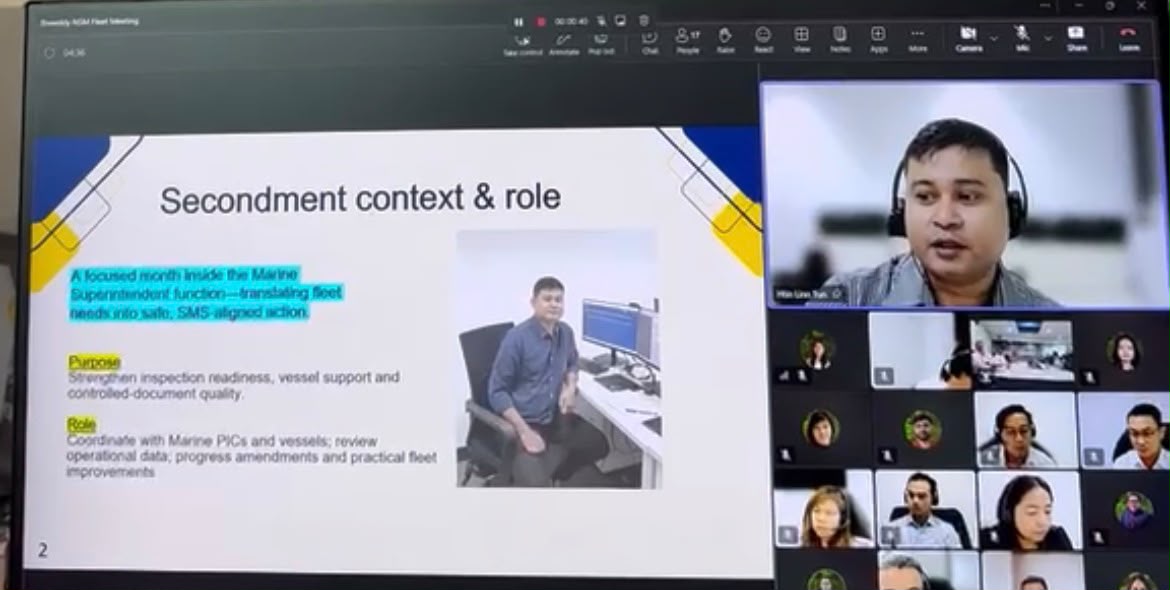
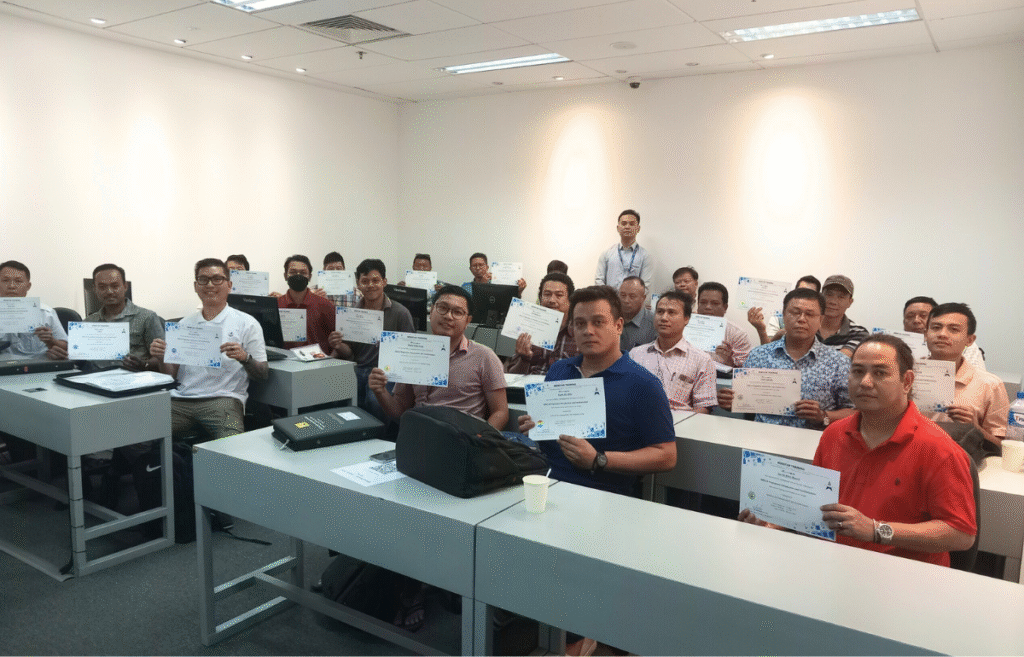
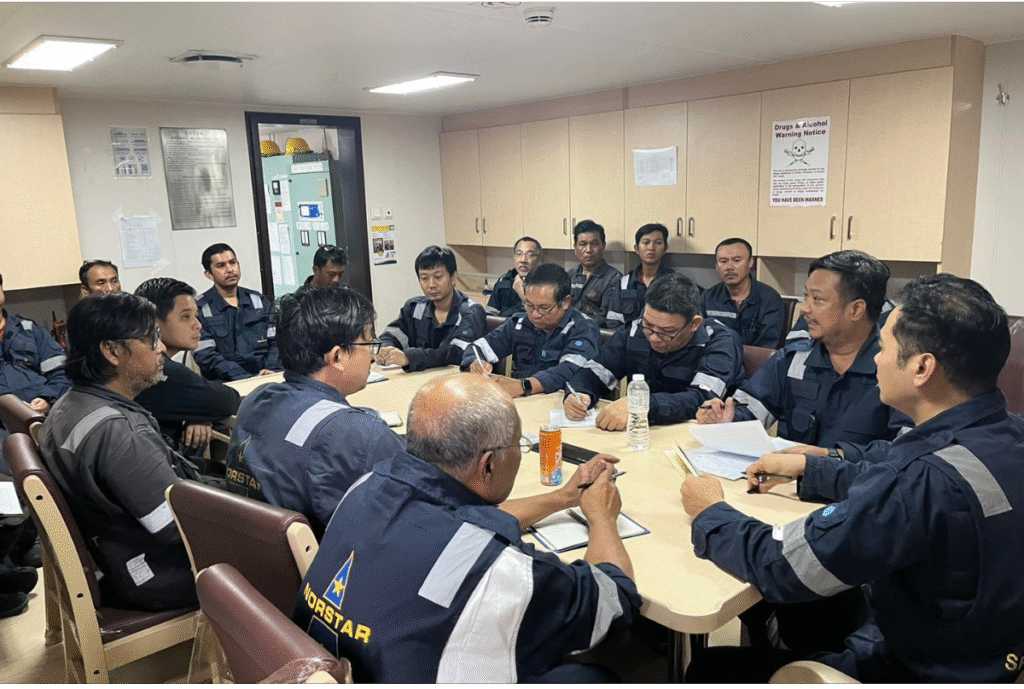
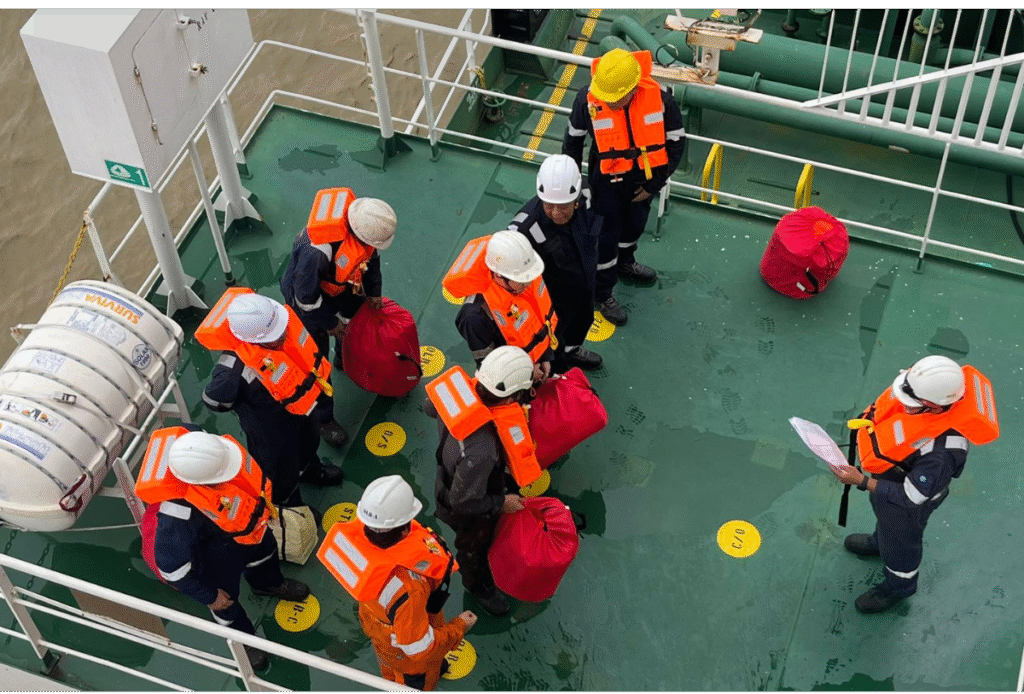
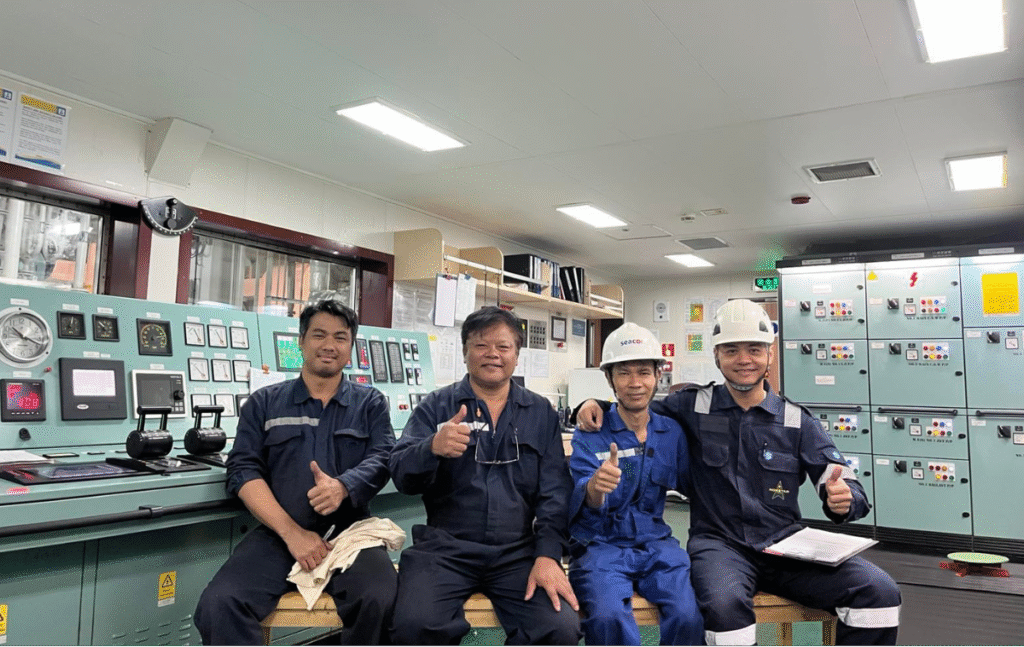
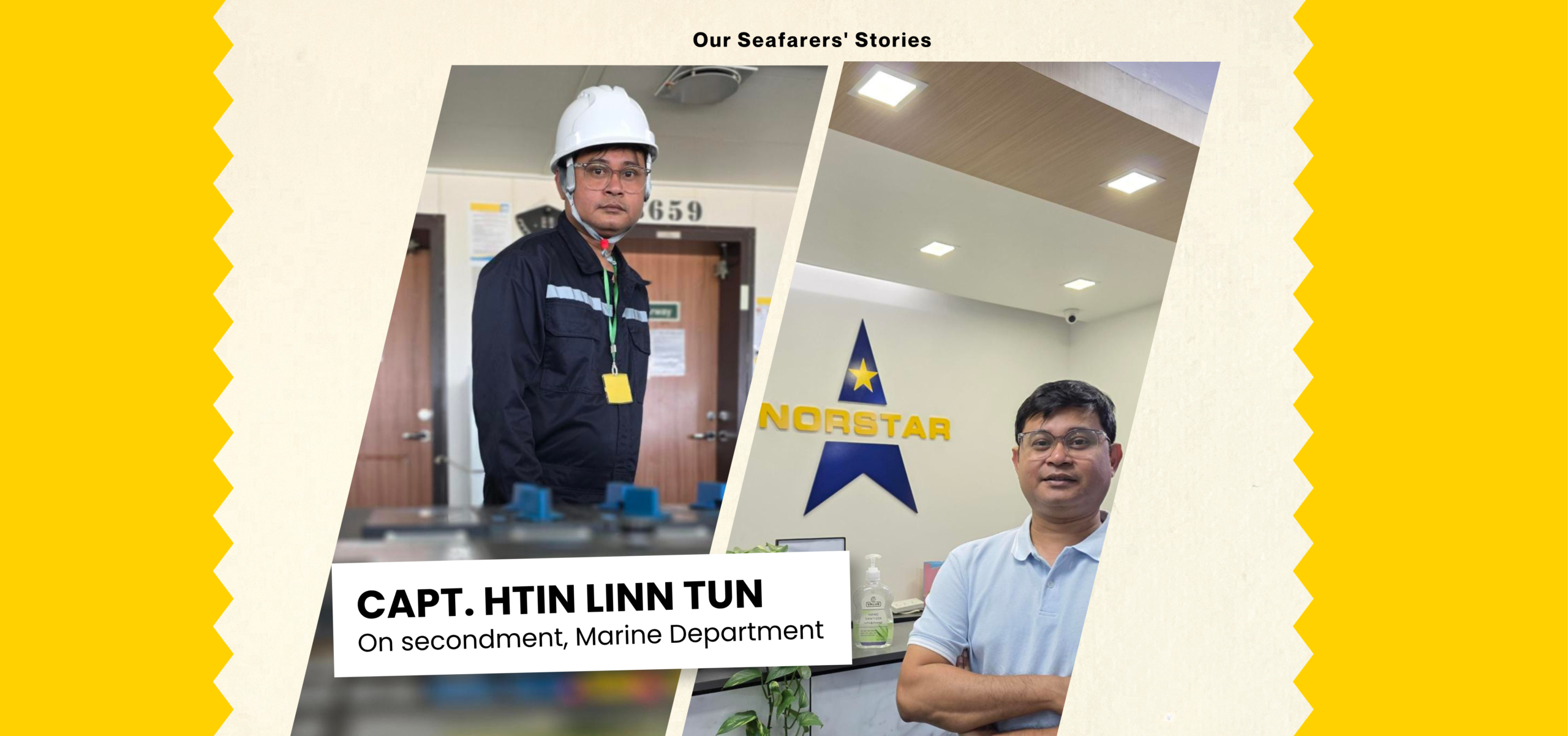
Capt. Htin Linn Tun during his one-month secondment with Norstar’s Marine Department
An officer who understands both sides
Capt. Htin Linn Tun’s view is that the experience improves communication between ship and shore personnel and gives a broader perspective of the shipping business.
“The experience improves communication between ship and shore personnel, supports professional development, and is particularly valuable for anyone considering a future shore-based career.”
Building officers who know the whole operation
The secondment programme is one way Norstar develops its officers beyond the technical competence that rank and certificates show. A captain who has worked alongside Marine Superintendents on SIRE 2.0 preparations, inspection readiness and documentation understands what shore teams need from a vessel, and what a vessel needs from them.
“The secondment programme provided me with a deeper understanding of the support available ashore and strengthened my appreciation for effective ship-shore collaboration. I would encourage other seafarers to take advantage of similar opportunities whenever possible.” — Capt. Htin Linn Tun
Looking for a crew management partner that invests in its officers?
Talk to our team.
Share the Post:
Related Posts
Your fleet is growing — and so should your access to qualified seafarers.
Let's build your crew strategy — together.
We connect ship owners with competent crew and seafarers with global opportunities.