AI for Seafarers: The Fleet is Getting Smarter — Is Your Crew Keeping Up?
Vessels are getting smarter. But are seafarers keeping up?
Norstar Crew Management explores AI for seafarers — the opportunity and the honest concerns.
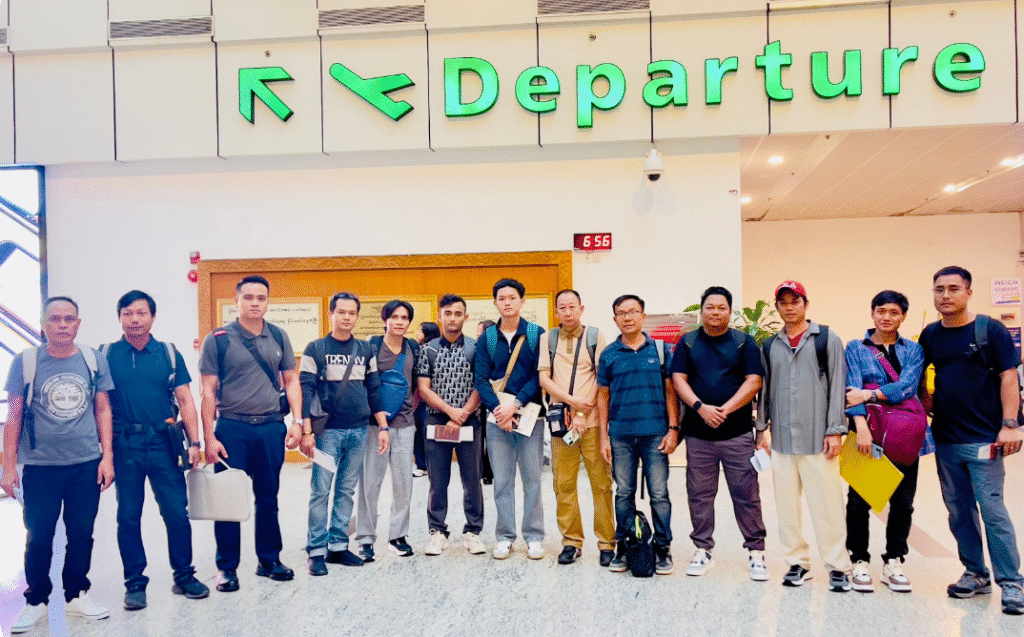
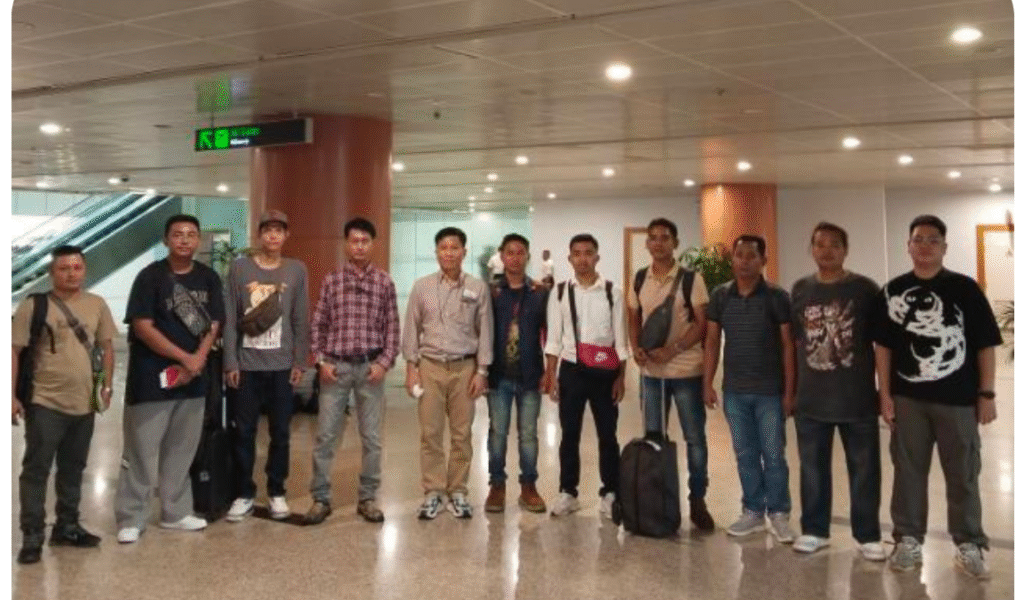
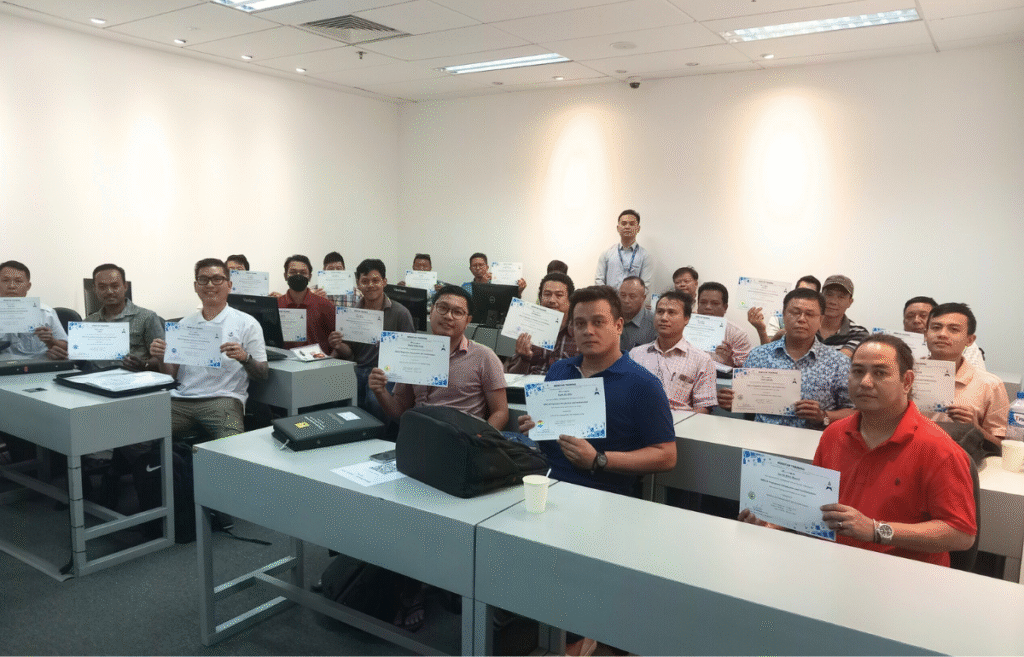
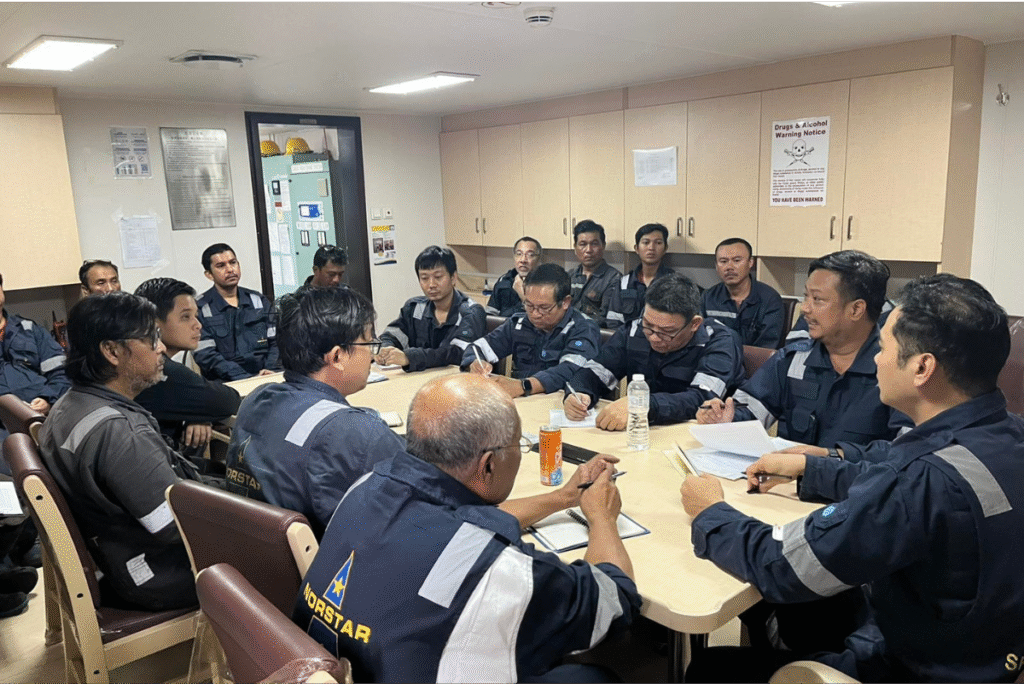
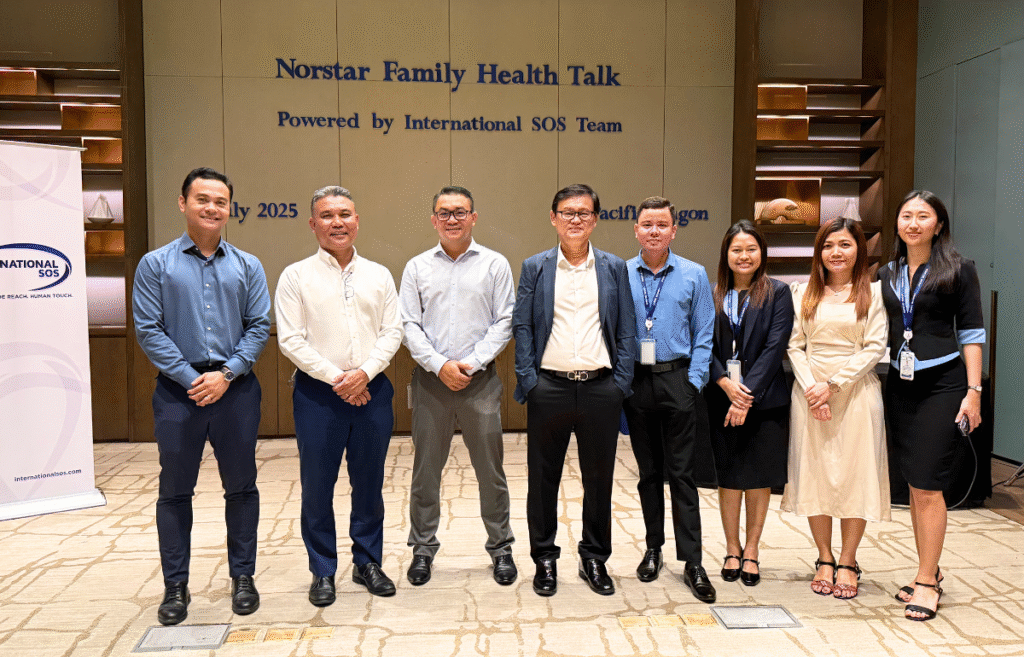
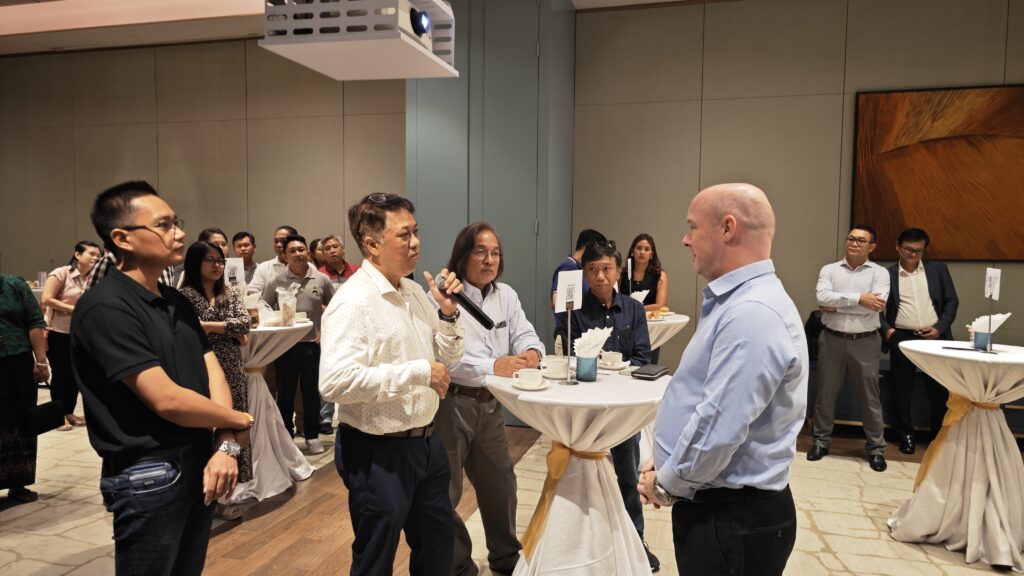
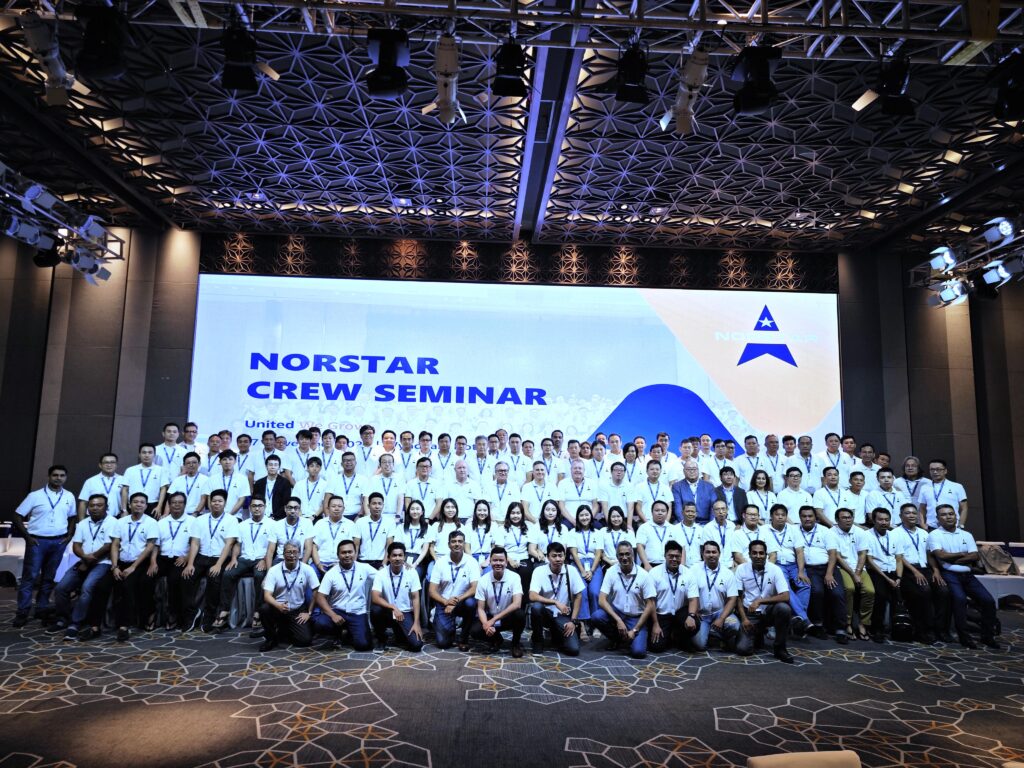
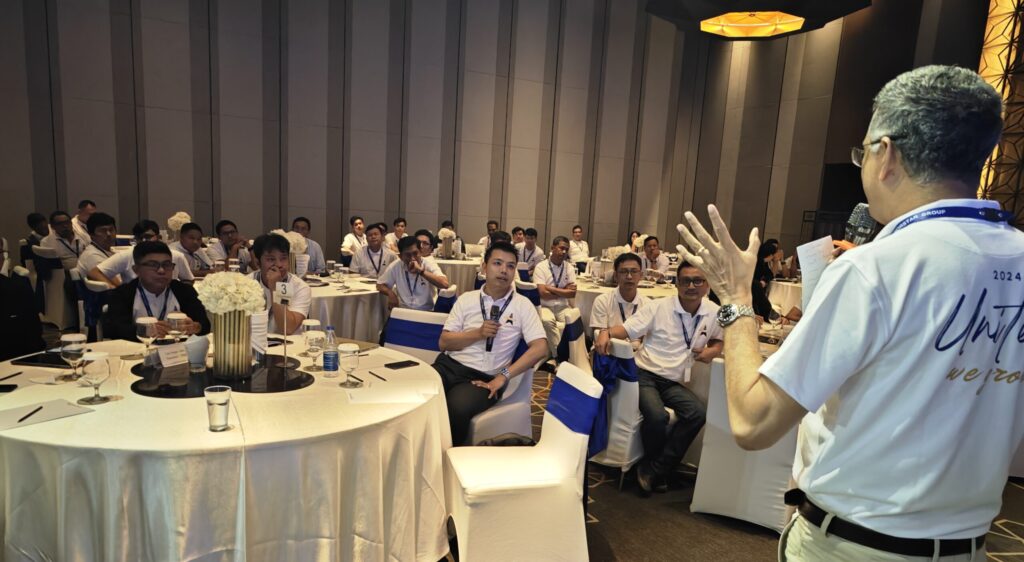
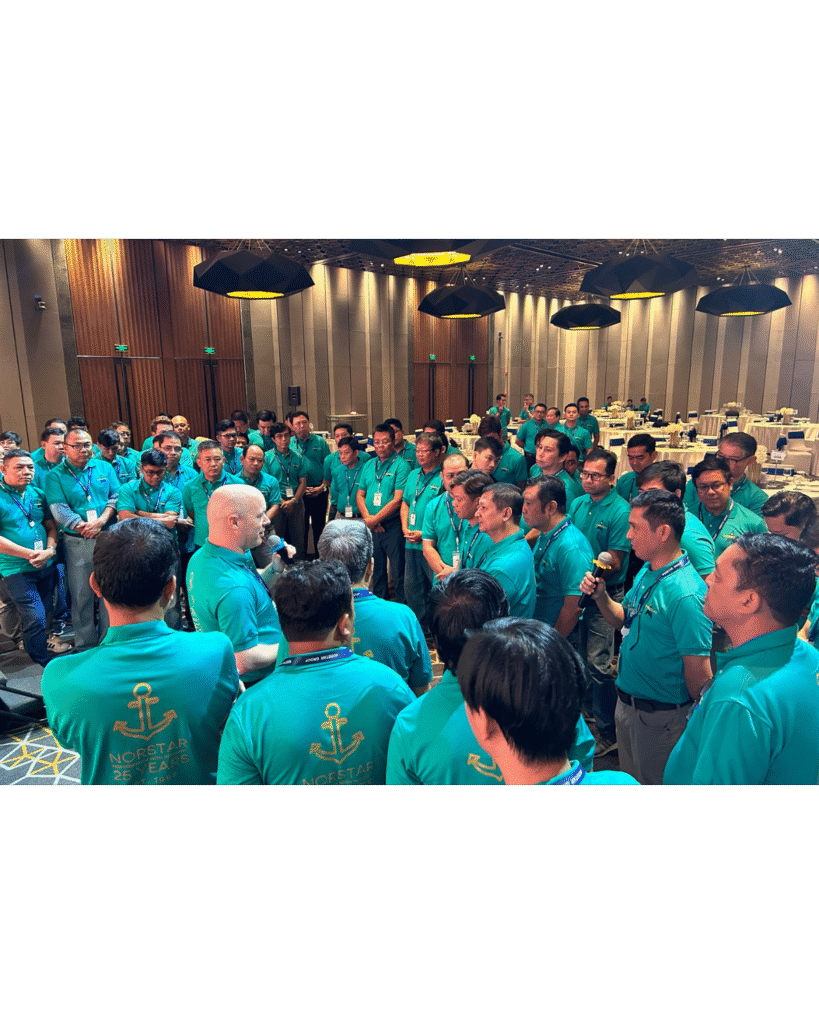
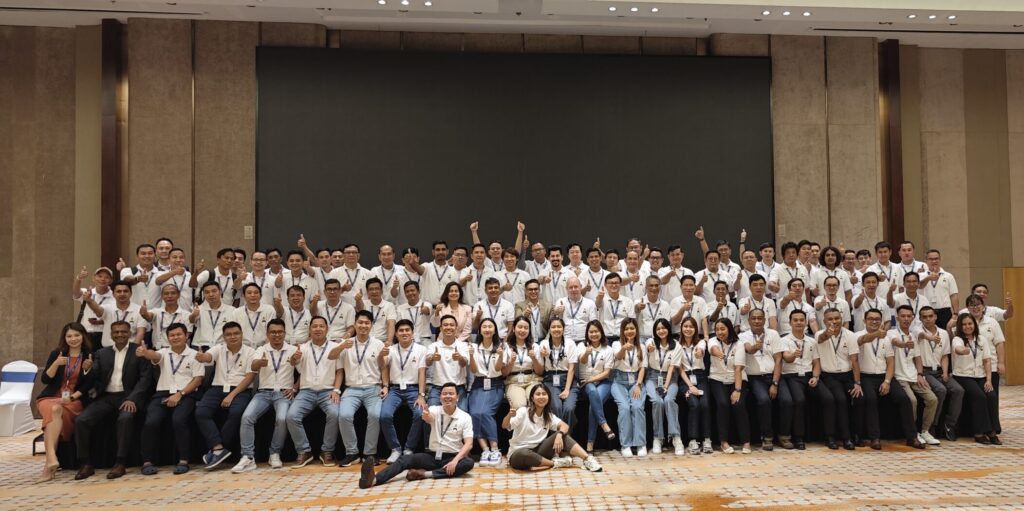
In May 2026, we held our biannual officer conference in Yangon — a gathering we look forward to every six months because it gives us something no report or data set can: honest, unfiltered conversation with the officers who are actually at sea.
The theme this time was Progressive Strategic Growth. We covered a lot of ground — from operational development to career pathways and what it means to keep learning in a rapidly changing industry. But one moment stayed with me long after the conference ended.
Our founder, Tom Bonehill stood up and asked the room a simple question: “How many of you want to learn AI?“
Almost every hand went up.
No slide deck. No formal agenda item. Just a room full of officers, a simple question, and a moment of collective recognition that something is shifting in this industry. That moment, more than anything, captures where we are as an industry with AI — and where Norstar Crew Management wants to be. Not pretending to have all the answers. But willing to start the conversation with the people at sea.
Because here is the question that moment raised — one I think the whole industry needs to sit with: vessels are getting smarter. Are the people aboard them keeping pace? And more specifically, what does AI for seafarers actually mean beyond the technology itself — for their careers, their learning, and their future at sea?
What Officers Actually Want
Before we talk about AI, it helps to understand what drives the officers we work with every day.
In my experience as a Training Superintendent, the biggest focus is almost always the same: becoming more competent, more confident, and more ready for the next level of responsibility. Most officers want to know what they should be doing well today so they can grow into the next rank tomorrow.
They are not only thinking about promotion. They are thinking about how to become more effective in real operations — especially when they are under pressure onboard. What I see consistently is that strong officers care deeply about practical performance: safe decision-making, leadership, communication, and the ability to handle modern shipboard systems with confidence.
That ambition is the foundation everything else is built on.
The Gap in Seafarer Training That Nobody Is Talking About
The numbers tell a stark story. Only 10% of maritime workers currently possess AI-related skills, according to research from the World Maritime University — yet over 70% of maritime roles will require basic digital skills within the next five years. That gap does not close on its own.
The gap between those two numbers is where the real challenge lives.
From where I sit, this gap is already visible. Officers arrive with the right qualifications — but they often still need more exposure to operational judgement, digital tools, communication, and problem-solving in real-time conditions.
The gap is not usually about willingness to learn. It is more often about the difference between theoretical knowledge and the pace, complexity, and accountability of real shipboard work. Modern vessels require officers who can manage safety, efficiency, documentation, data, and teamwork simultaneously. Technical competence remains essential — but it now needs to sit alongside adaptability, digital confidence, and a mindset for continuous improvement.
Current industry discussions and studies point to a clear gap between training needs and available programme, showing that more structured development opportunities are still needed onboard and ashore.
AI Is Already Onboard — Quietly
The reality is that AI has not announced itself with a grand entrance in maritime. It has arrived quietly — not through formal programmes or company mandates, but through the initiative of officers themselves.
I have already seen officers using AI informally in small but practical ways. Some use it to summarise technical topics, draft reports, improve their English writing, or prepare for training and assessments. Others use it to organise ideas, compare procedures, or clarify information before discussing it with senior officers or shore management.
What is interesting is that most of this use is not highly advanced. It is usually about saving time, improving clarity, and learning more efficiently. In that sense, AI is already becoming a quiet support tool for self-development — even when officers are not formally “using AI” as part of their official duties.
This is significant. It means the conversation is not about introducing something foreign. It is about acknowledging something that has already started, and helping officers do it better.
Reframing the Conversation: AI for Seafarers as a Career Tool
Most industry discussion around AI in shipping focuses on what it does for operations — smarter routing, automated compliance, predictive maintenance. Very little of it addresses what AI can do for a seafarer’s career.
We think that needs to change.
AI allows for more tailored training programmes for individual seafarers, helping them to hone specific skills and deal with real-time scenarios — making training more accessible and flexible, even for those on long voyages or in remote locations.
My honest view is that AI is an opportunity — but only if people use it wisely. I do not see AI as something that replaces seamanship or experience. I see it as a tool that can support learning, preparation, and better decision-making. For seafarers, the real value is in reducing repetitive work, helping them study faster, and making information easier to access and apply.
If an officer asked me today — should I be learning AI? — I would say yes, without hesitation. But learn it as a support tool, not a substitute for professional competence. The officers who will benefit most are the ones who combine strong maritime fundamentals with modern digital skills. That combination will matter more and more as shipping becomes more data-driven, more transparent, and more complex.
The Concerns We Are Not Pretending Away
Honest thought leadership means acknowledging what worries people — not just what excites them.
The first concern is over-reliance. There is a real risk if people treat AI as a shortcut and stop thinking critically for themselves. On a vessel, accountability still belongs to the officer — not to the tool. The goal is not to replace human judgement. It is to sharpen it.
The second concern is the digital divide. Not every officer starts from the same place digitally. Access to training, familiarity with technology, and even reliable connectivity varies enormously across nationalities and vessel types. Any serious approach to AI literacy in maritime must account for this — not assume a level playing field that does not exist.
The third concern is job security — the question that is often in the room even when it is not spoken aloud. The industry is changing faster than training frameworks can keep up — and seafarers feel that gap every time they step aboard a vessel with systems they have never been trained on. That does not eliminate the need for skilled people. The seafarer who adapts will not be replaced by AI. The one who does not may find their role diminished — not by a machine, but by a colleague who kept learning.
Where Norstar Crew Management Stands
The truth is, we are all still figuring this out. AI is not a solved problem that crew managers can package neatly into a training module and tick off a checklist. It is a moving landscape — and the most honest thing we can say is that we are learning alongside our officers, not ahead of them.
What the raised hands in Yangon told us is that our officers are ready for this conversation. And sometimes acknowledging that openly — in front of a room full of people who trust you — is the most important first step.
We are now exploring what structured AI literacy support could look like for our officers alongside existing STCW development. We are asking the right people to help us shape it. And we are committed to making sure that the ambition our officers showed in that room is met with something real.
A Challenge Worth Reflecting On
The maritime industry has spent years talking about the global seafarer shortage. Reports, working groups and conferences have addressed recruitment, retention and welfare — all necessary conversations.
But there is a parallel conversation that has not been loud enough: are we developing the seafarers we already have?
A survey by the Nautical Institute indicates that 80% of maritime professionals believe that upskilling in technology is essential for career advancement. The people in this industry already know what is needed. The question is whether the organisations that employ and manage them are acting on it with the same urgency.
Digital literacy deserves the same investment, structure and urgency as STCW certification. It is not a bonus skill for tech-enthusiasts. It is becoming a professional baseline — and the industry’s training frameworks have not caught up.
For shipowners investing in smarter, more capable vessels, the question worth exploring with your crew partner is not just “can you supply us with qualified officers?” — it is “what are you doing to ensure those officers are ready for the vessels of tomorrow?” At Norstar Crew Management, that is the question we are asking ourselves every day.
The answer will tell you a great deal.
The hands that went up in Yangon were a start. The work begins now.
About the Author
Phone Lynn Thet began his maritime career in 2003 as a cadet, spending over 21 years at sea before stepping ashore as a Captain in early 2025. During that time, he served as Master on oil and chemical tankers — gaining firsthand experience of the operational realities, safety demands, and daily decision-making that define life onboard.
He joined Norstar Crew Management as Training Superintendent in September 2025, bringing with him a training philosophy rooted in practical experience rather than theory. In his own words, his goal is to transition maritime learning from traditional, passive methods into an interactive, data-driven experience — supporting officers to grow in capability, confidence, and readiness for higher responsibility.
"I believe the quality of a vessel's performance depends heavily on the quality of its people."

Whether you're reviewing your current crew management model or looking for a new partner, we're happy to walk through what Norstar can offer.
Talk to us about your crewing requirements
Share the Post:
Related Posts
We connect ship owners with competent crew and seafarers with global opportunities.