From Deck Officer to PSA Marine Harbour Pilot: The Norstar Foundation Behind Sithu Tin Htut’s Career
SEAFARER SPOTLIGHT | CAREER PATHWAYS
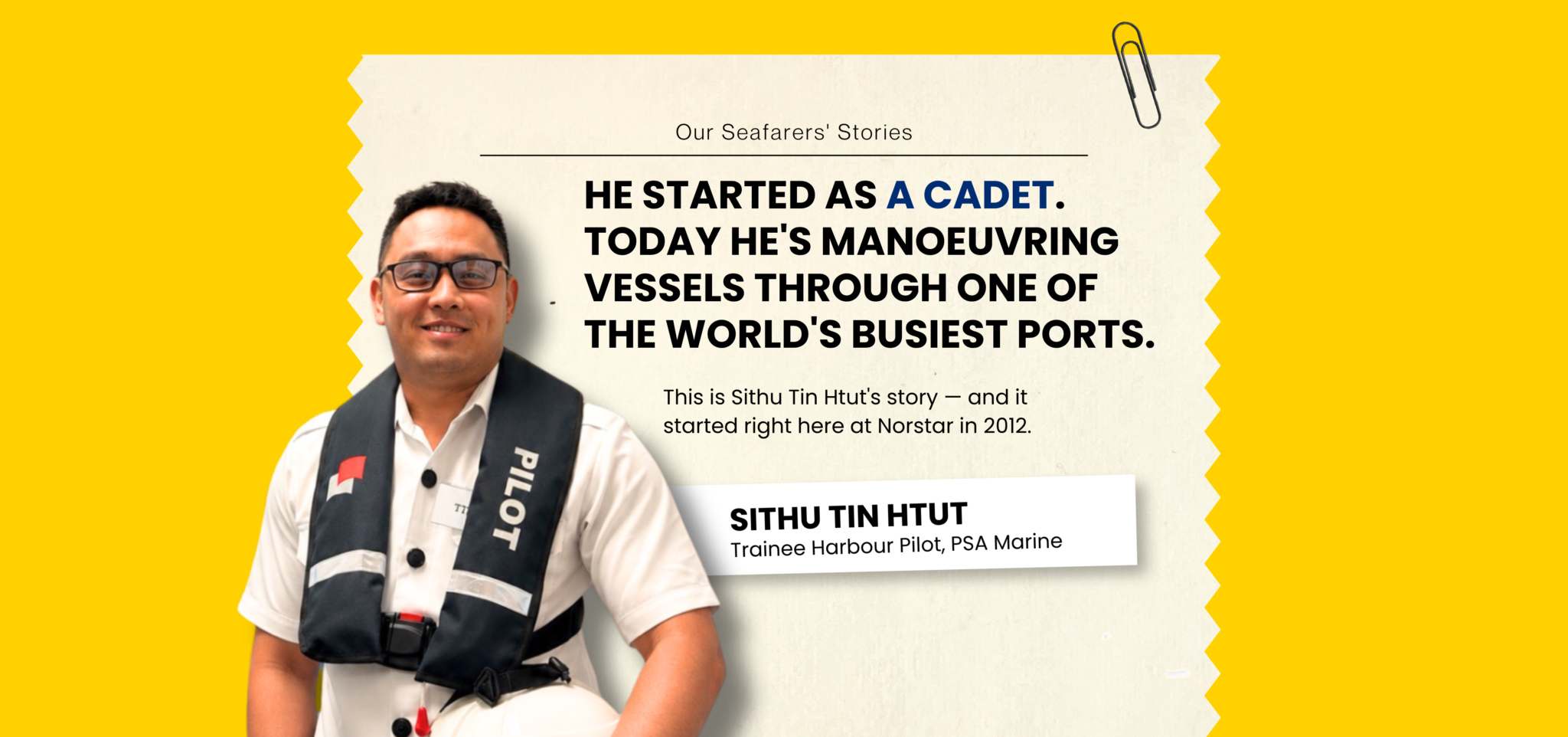
A Myanmar deck officer trained by Norstar Crew Management is now a Trainee Harbour Pilot at PSA Marine — manoeuvring vessels through one of the world's busiest ports. This is the career foundation that made it possible.
From Norstar deck cadet to PSA Marine Trainee Harbour Pilot
Not every maritime career follows a straight line. Some of the most rewarding journeys in the industry begin as they did for Sithu Tin Htut — quietly, as a deck cadet, learning the fundamentals of seamanship on a Norstar vessel in 2012.
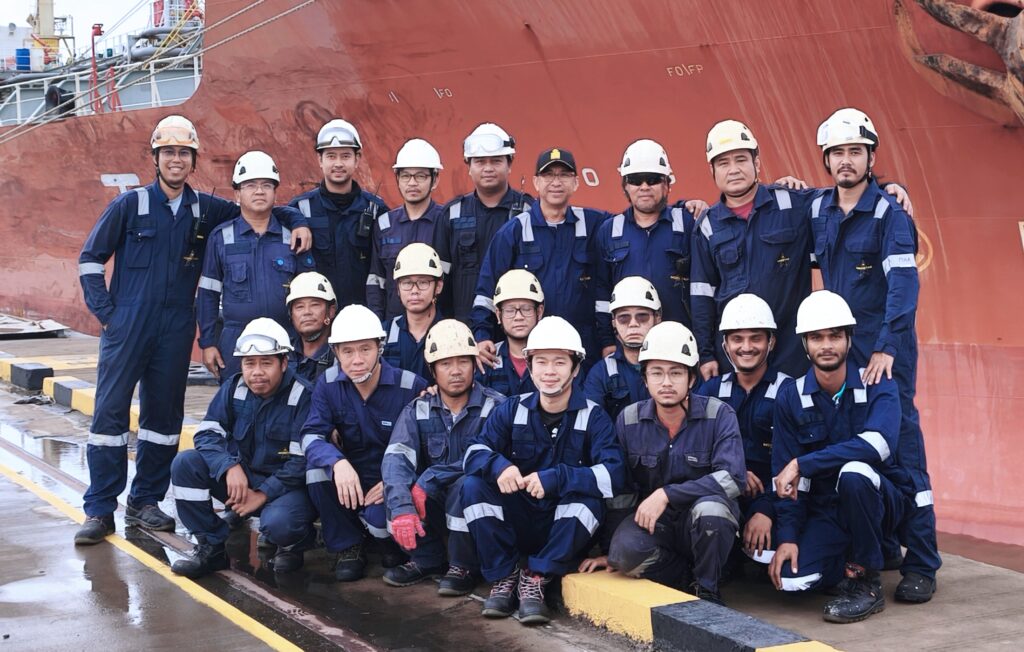
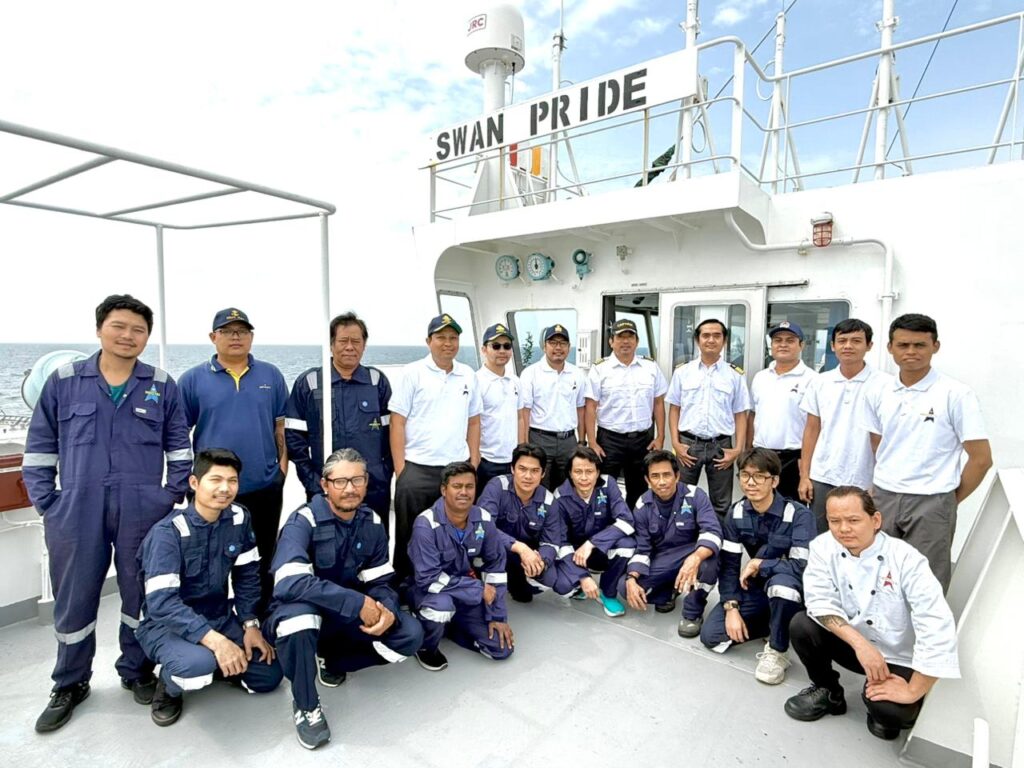
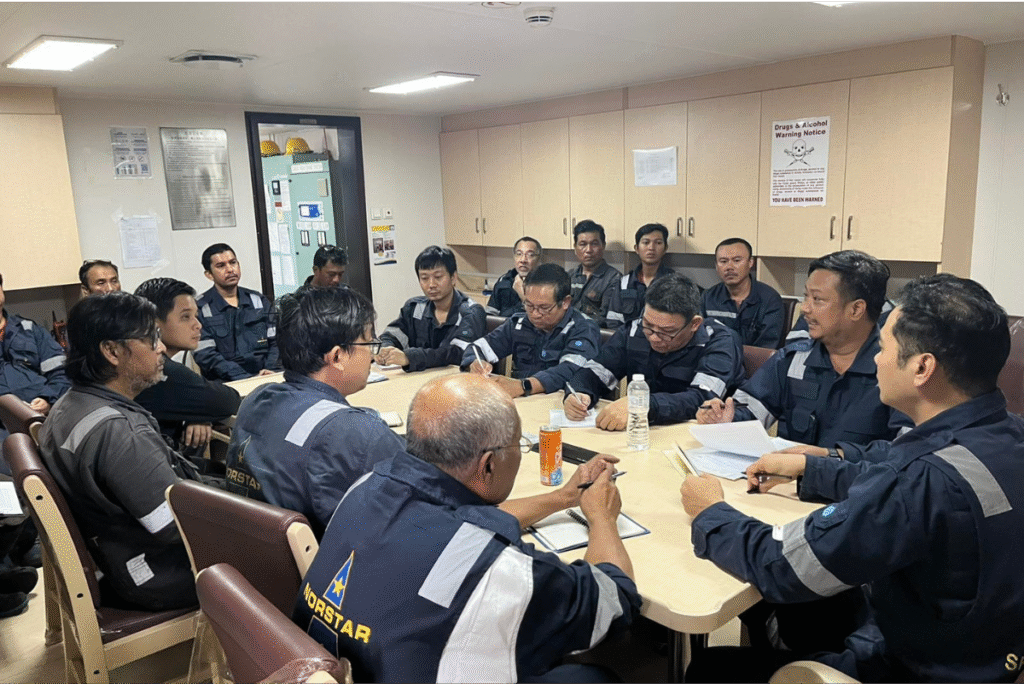
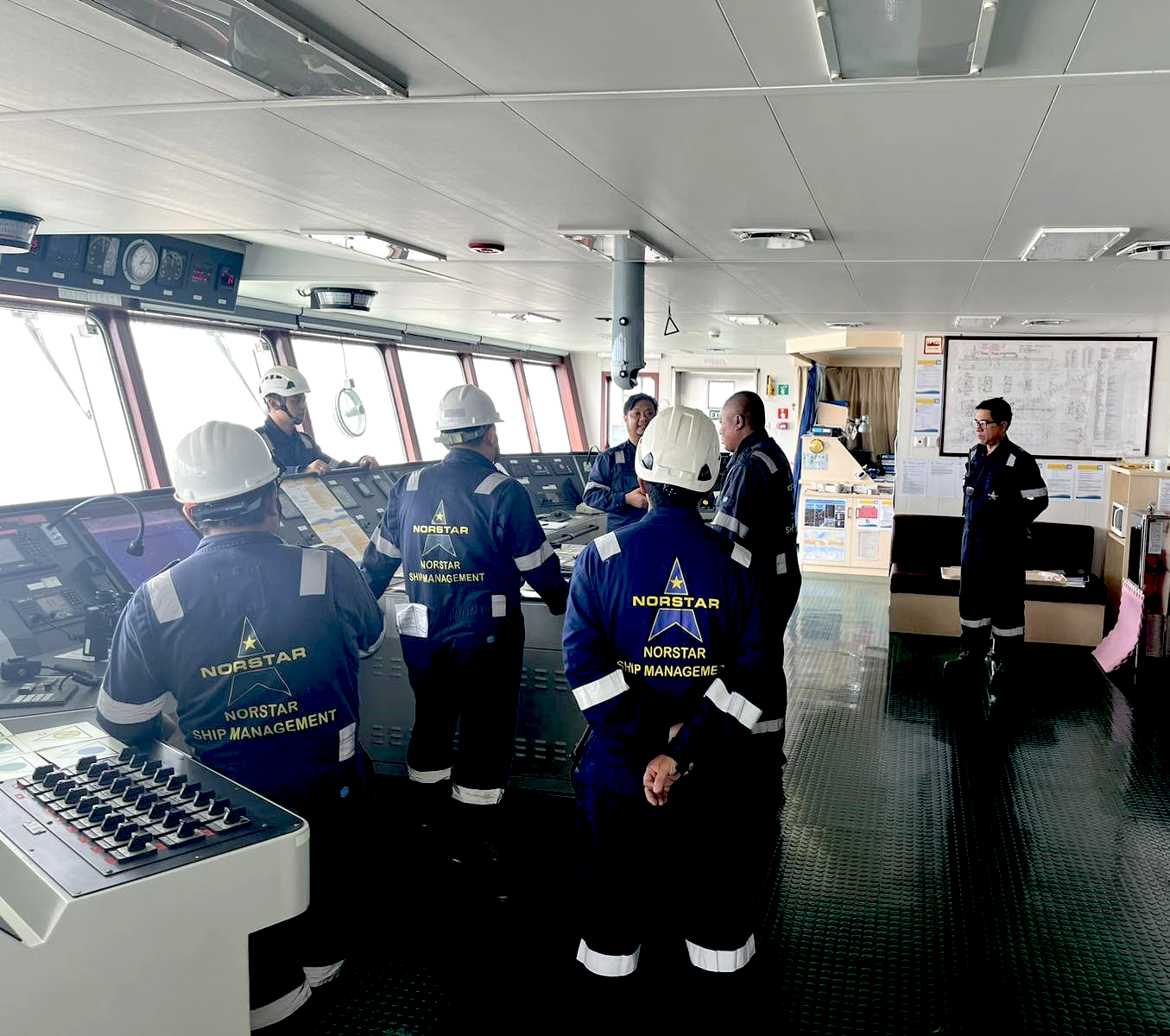
Over the years that followed, Sithu progressed through the deck officer ranks with Norstar Crew Management, accumulating sea time across different vessel types, ports, and international waterways. Each contract added depth — in navigation, ship handling, bridge resource management, and the safety discipline that Norstar’s fleet is built around.
"I started my seafarer career through Norstar Crew Management as a deck cadet since 2012. Over the years, I progressed through the ranks, gaining experience and operating in different ports and waterways."
Today, Sithu is a Trainee Harbour Pilot at PSA Marine — learning to safely manoeuvre some of the world’s largest vessels through the Singapore Strait, one of the most operationally demanding port environments in global shipping. The path from Norstar cadet to PSA Marine pilot trainee was not accidental. It was built, systematically, over more than a decade of sea service.
How Norstar Crew Management's training prepared him for harbour pilotage
When asked what prepared him for the PSA Pilot Candidate Programme, Sithu’s answer is direct: the foundation was built at Norstar.
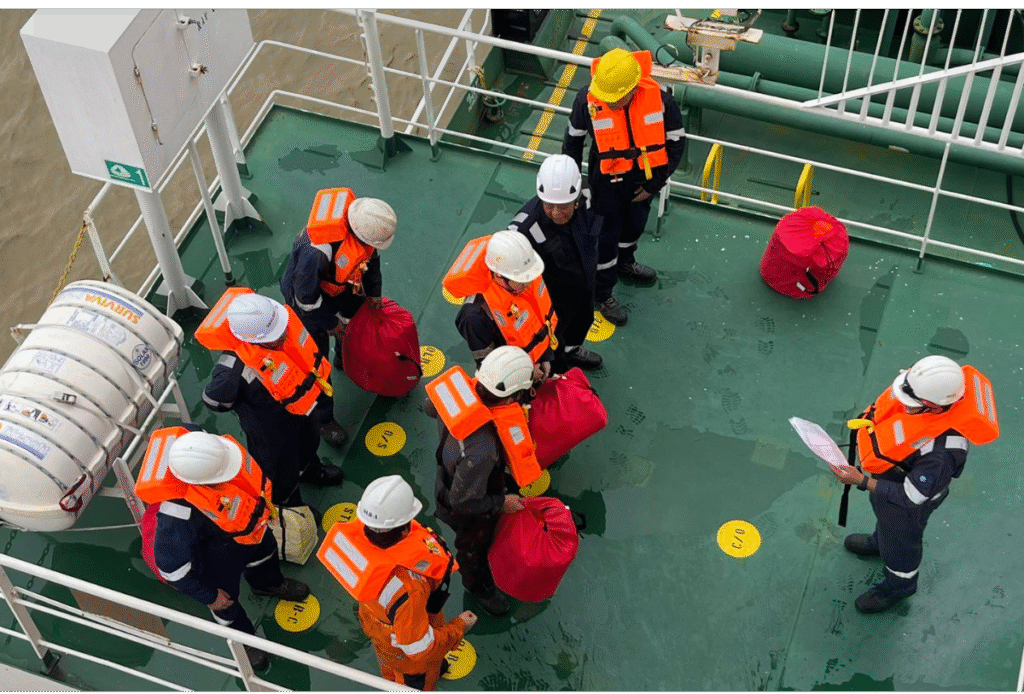
Ship handling, navigation, bridge resource management, teamwork, and safety culture — the five competencies that harbour pilotage demands most — were all developed during his years as a deck officer in the Norstar fleet. Crucially, Norstar’s Safety Management System (SMS) gave those competencies a structured framework, shaping how Sithu approached every decision at sea.
"During my time with Norstar, starting as a cadet and throughout my sea service, I gained a strong foundation in ship handling, teamwork, navigation, bridge resource management, and safety culture. The company's robust Safety Management System (SMS), together with its safety and navigation training programmes, gave me the knowledge and confidence to apply for this role."
Two elements of the Norstar training culture stand out as directly relevant to pilotage. The first is the SMS — a systematic approach to risk, decision-making, and operational discipline that becomes instinctive over years of application. For a harbour pilot, where the consequences of misjudgement are immediate and significant, this kind of ingrained safety thinking is foundational, not optional.
The second is adaptability. Harbour pilotage throws officers into a different vessel, crew, and set of conditions on every assignment. Sithu credits his Norstar sea service — across different vessel types and operating environments — for giving him the ability to read and adapt to new situations quickly.
"The experience I gained at Norstar helped me adapt quickly to harbour pilot training and operations. Most importantly, Norstar taught me to always prioritise safety while maintaining efficiency — which is essential in pilotage operations."
That balance — safety without sacrificing operational efficiency — is precisely what PSA Marine and Singapore’s Maritime and Port Authority require from a harbour pilot. It is also, as Sithu describes it, something Norstar instilled from the very beginning of his career.
Why he chose the PSA Marine Harbour Pilot Candidate Programme
For many deck officers, the idea of becoming a harbour pilot sits somewhere between long-term ambition and distant possibility. The role is highly specialised, competitive to enter, and demands a level of ship-handling confidence that only comes with significant sea experience.
For Sithu, the interest took root early — watching pilots board and depart vessels during his sea service, observing the responsibility they carried and the precision their work required.
"I have always been interested in ship handling and navigation. During my time at sea, I became fascinated by the role of harbour pilots and the responsibility they carry in ensuring the safe movement of vessels in port waters."
When Norstar Crew Management — as an official recruitment partner of PSA Marine — identified the opportunity and supported Sithu’s application to the PSA Pilot Candidate Programme, he saw it not as a departure from maritime life but as a deepening of it.
"When the opportunity arose through Norstar to apply for the PSA Pilot Candidate Programme, I saw it as a chance to further develop my skills and challenge myself in a new environment while remaining within the maritime industry."
What the PSA Marine Pilot Candidate Programme selection process involves
The PSA Pilot Candidate Programme is among the most competitive recruitment processes in Singapore’s maritime sector. Candidates are assessed not on sea time alone, but on the full range of competencies that pilotage demands — including those that cannot be measured by certificates.
According to Sithu, the selection process included:
- Aptitude testing
- Written assessments
- One-on-one personal interviews
- Simulator evaluations
"Build a good foundation in navigation, ship handling, and safety management while at sea. Maintain a positive attitude, be willing to learn continuously, and develop good communication and teamwork skills."
Rather than discouraging, Sithu found the process clarifying. It sharpened his understanding of what harbour pilotage requires — and confirmed that the competencies he had built during his Norstar sea service were directly applicable.
The difference between life at sea and harbour pilot training
Transitioning from a seagoing deck officer role to harbour pilot training is a significant shift — not just in location, but in the structure of the work, the pace, and the nature of responsibility.
At sea with Norstar, Sithu spent months aboard a single vessel, developing deep familiarity with its handling characteristics, systems, and crew. As a harbour pilot trainee at PSA Marine, every assignment brings a different vessel, a different crew, and a different set of conditions.
"The pace is much faster, and every assignment requires quick adaptation to different ships, crews, weather conditions, tidal streams and traffic situations."
This demands a specific kind of mental agility — the ability to absorb vessel-specific information rapidly, make confident decisions under time pressure, and maintain situational awareness in a port environment where multiple vessels, traffic priorities, and tidal factors interact simultaneously.
What Sithu's harbour pilot training programme looks like today
As a Trainee Harbour Pilot at PSA Marine, Sithu’s training is structured around building the deep, port-specific knowledge that licensed pilotage requires. His current programme includes:
- Pilotage attachments with licensed PSA Marine pilots
- Study of Singapore port regulations, anchorages, and navigation routes
- Familiarisation with port locations, procedures, and operational protocols
- Practical onboard training across a range of vessel types
- Exposure to diverse operational scenarios within Singapore port waters
Each element builds on the seagoing foundation laid with Norstar — extending it into the specialised, high-precision environment of port pilotage.
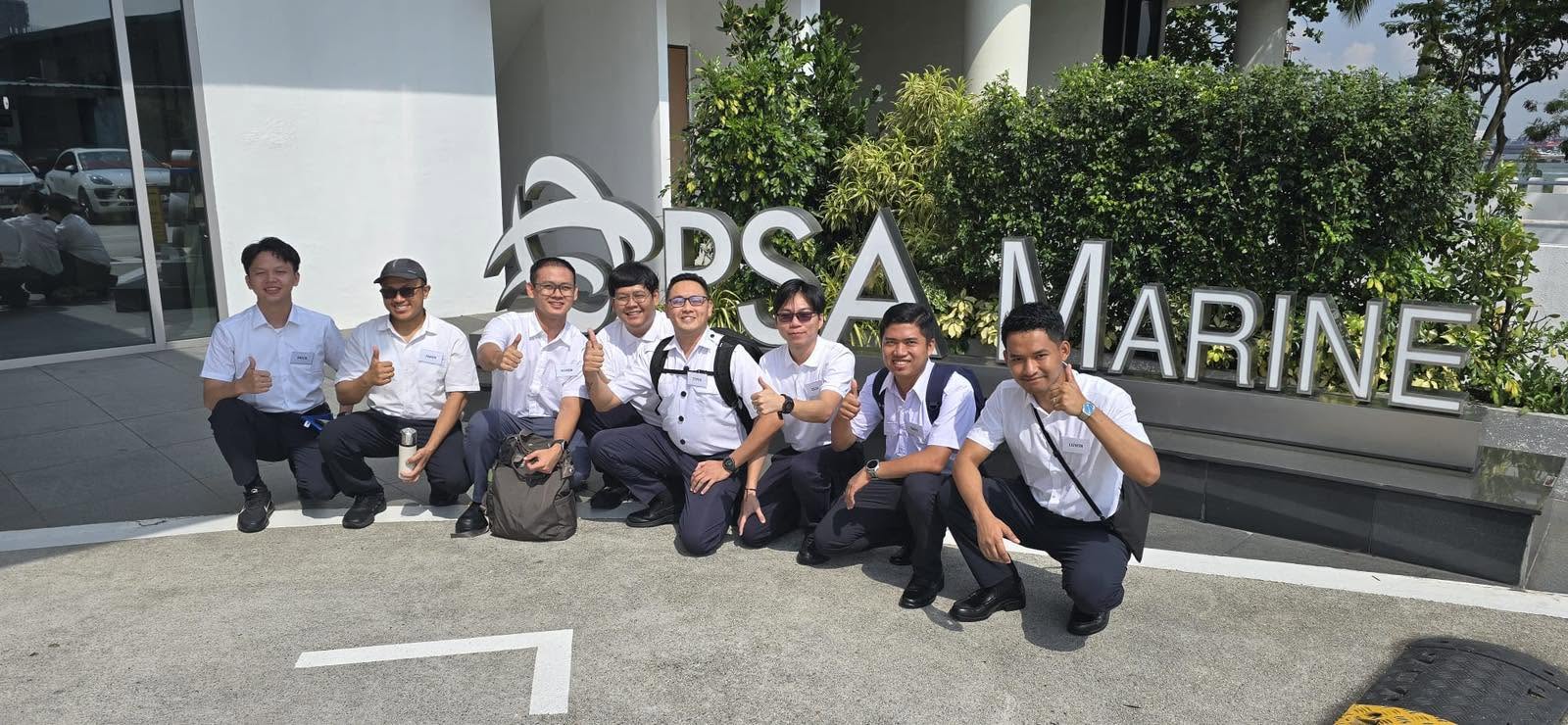
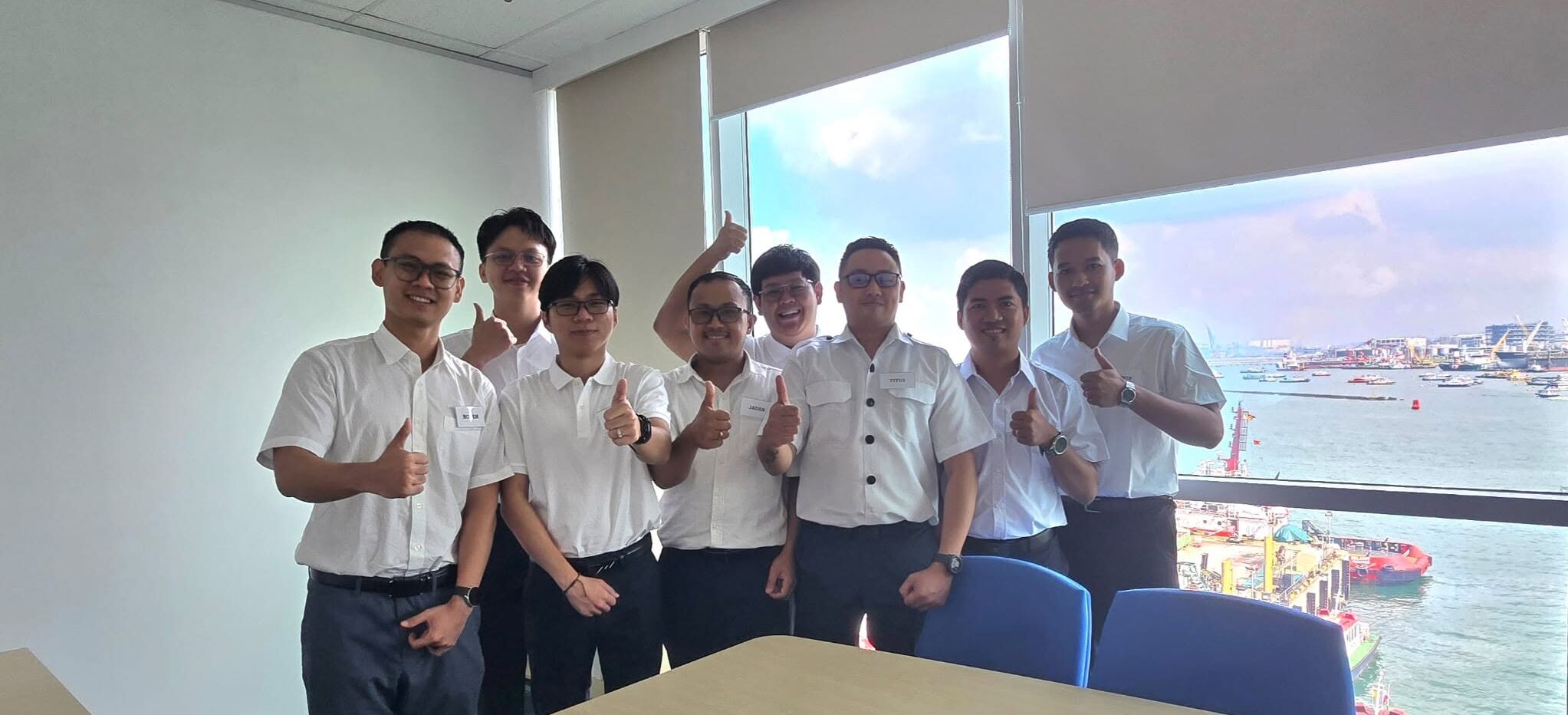
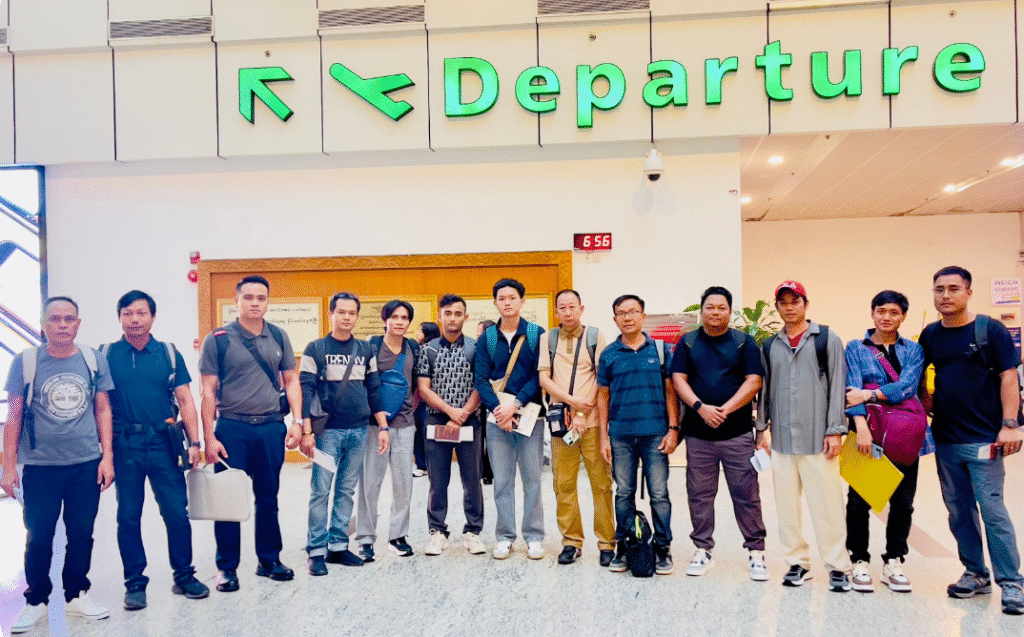
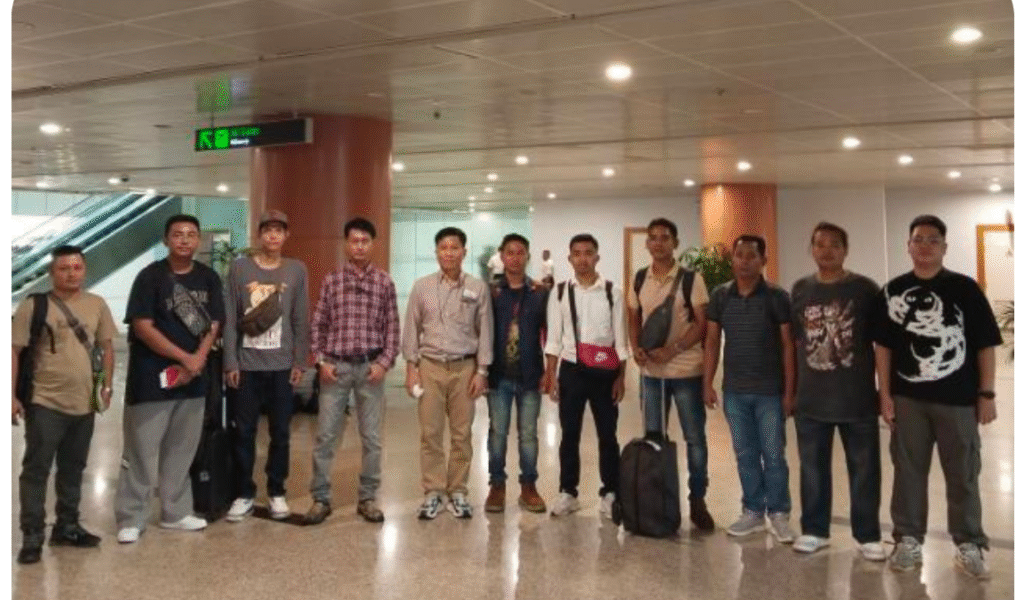
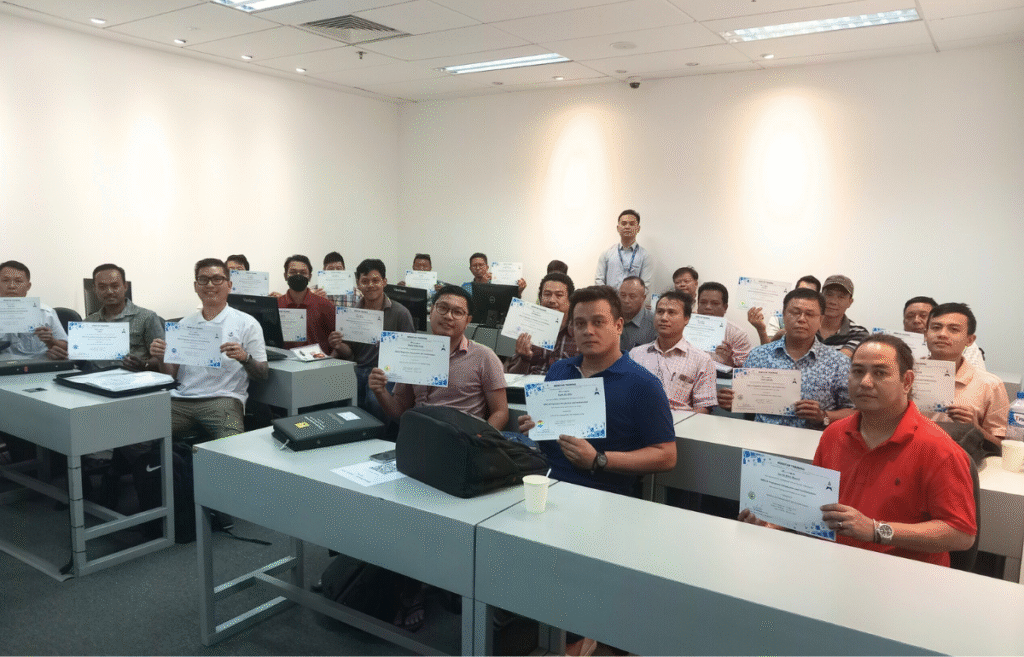
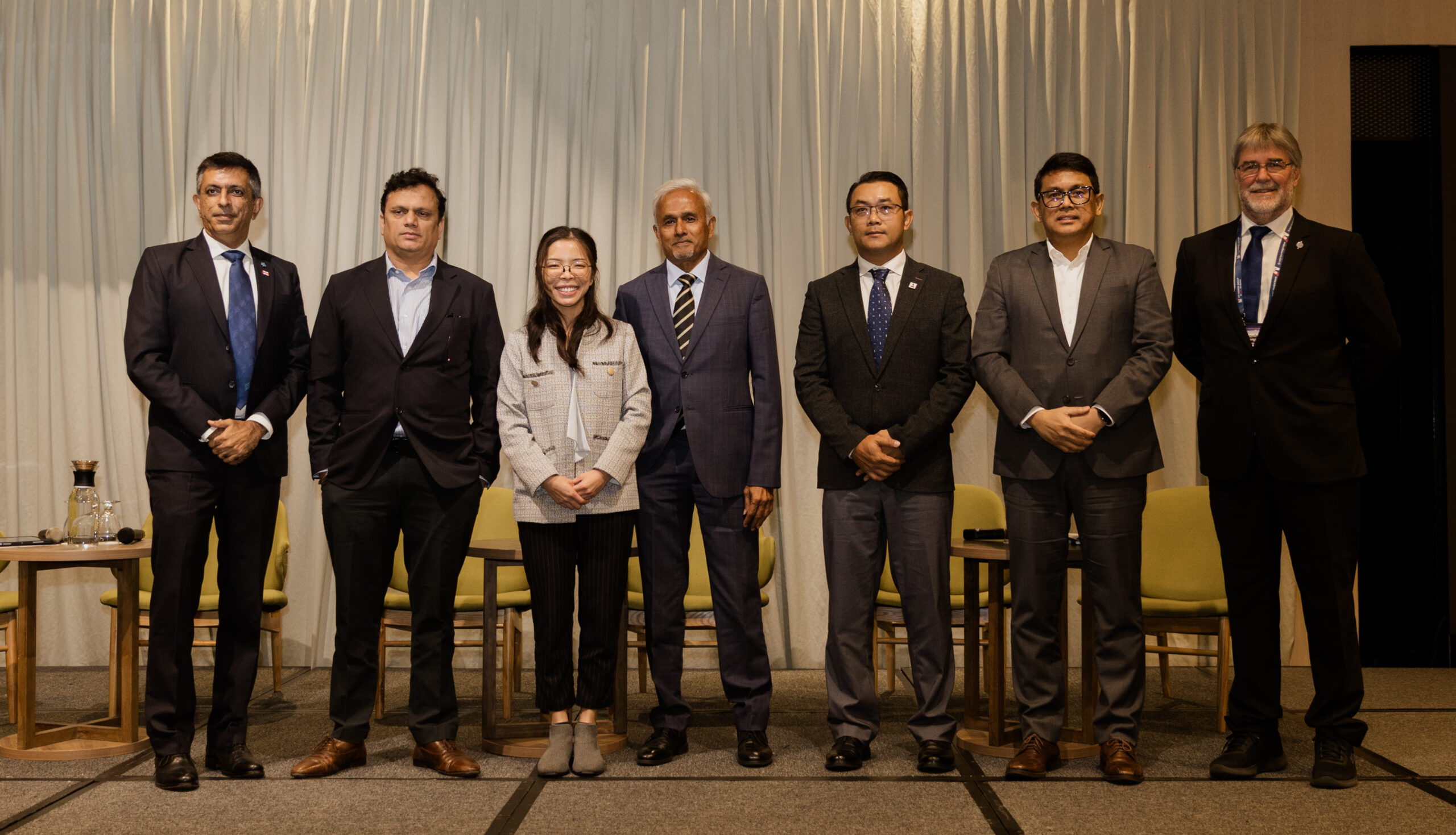
Sithu Tin Htut (pictured) with the 7 other candidates selected for the PSA Marine Pilot Candidate Programme 2026
Sithu's advice for Myanmar deck officers considering the PSA Pilot Candidate Programme
Sithu is candid about what it takes. His advice is practical, grounded in his own experience of preparing for and completing the selection process.
"Build a good foundation in navigation, ship handling, and safety management while at sea. Maintain a positive attitude, be willing to learn continuously, and develop good communication and teamwork skills."
He is equally direct about the competitive nature of the process — and offers a perspective that goes beyond preparation alone:
"Believe in yourself, stay committed to your goals, and do not hesitate to pursue opportunities that can help you grow professionally. The PSA Pilot Candidate Programme is challenging but also highly rewarding for those who are passionate about the maritime industry."
A career pathway, not a shortcut — built through Norstar Crew Management
Sithu Tin Htut’s journey from Norstar deck cadet to PSA Marine Trainee Harbour Pilot is an example of what structured maritime career development looks like in practice. It required years of disciplined sea service, continuous learning, and the right crew management partner when the opportunity arose.
Through its official recruitment partnership with PSA Marine, Norstar Crew Management actively supports qualified Myanmar deck officers in accessing the PSA Pilot Candidate Programme. This includes identifying candidates with the right foundation, supporting the application process, and providing a pathway that connects years of sea experience with one of the most respected specialist roles in the maritime industry.
For deck officers who have built a strong foundation at sea and are thinking about what comes next — Sithu’s career is worth paying attention to.
Doors like this don't open by accident. They open when you're with the right company.
Norstar Crew Management is an official recruitment partner of PSA Marine. We support qualified Myanmar deck officers in accessing specialist career pathways — including the PSA Pilot Candidate Programme. If you have built a strong foundation at sea and want to see where your maritime career can go, we'd like to hear from you.
Share the Post:
Related Posts
Your fleet is growing — and so should your access to qualified seafarers.
Let's build your crew strategy — together.
We connect ship owners with competent crew and seafarers with global opportunities.