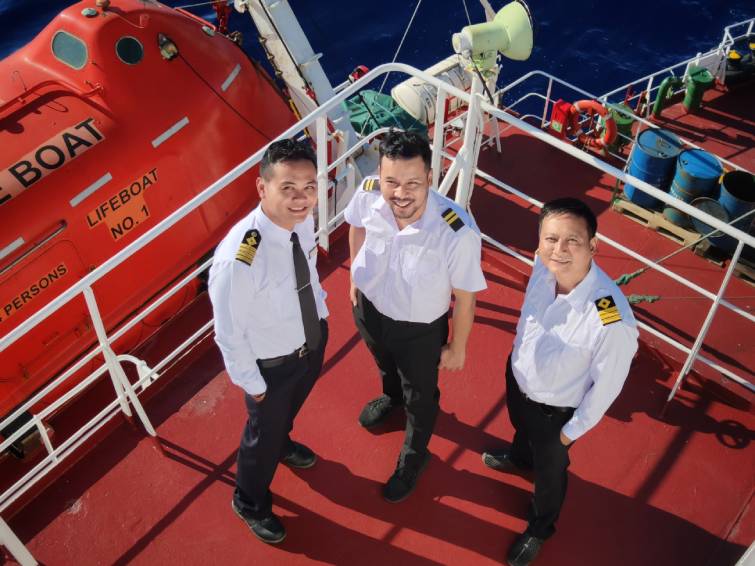
Evaluating Myanmar as a Crew Market: What the Data Actually Shows
Five Criteria for Evaluating Myanmar as a Crew Market
Most shipowners understand why crew diversification matters. The harder question is how to evaluate a new market properly, and to do so in a way that actually strengthens your operations rather than quietly adding to your risk.
Myanmar is one of the more frequently discussed emerging crew markets — but the reasoning behind that reputation is rarely backed by the underlying data. This article looks at what actually supports Myanmar as a crew sourcing market: training infrastructure, workforce depth, and the numbers a shipowner should verify before treating any market as scalable.
For many shipowners, the decision to look beyond established crew supply markets is driven by direct experience: a delayed rotation, a short-staffed vessel, a cluster of simultaneous contract completions from the same nationality. These situations make the case for diversification more clearly than any report.
But identifying a new market is only the first step. The more important question is whether Myanmar’s seafarer workforce can reliably support your crew management requirements over time, across multiple rotations and under the conditions your fleet actually faces.
What follows is a practical framework for evaluating Myanmar as a crew market, drawing on how we approach crew market evaluation at Norstar and on Myanmar-specific data from training institutions and workforce statistics.
1. Myanmar's Maritime Training Infrastructure and STCW Alignment
Start with the training ecosystem. STCW sets the minimum standard, but how well those standards are actually delivered varies significantly between countries and institutions — which is exactly where Myanmar’s maritime training system stands out.
Look for meaningful simulator access, practical assessment, and sea-time experience that matches the vessel types you actually operate. Check whether the pipeline has enough depth across both officer ranks and ratings.
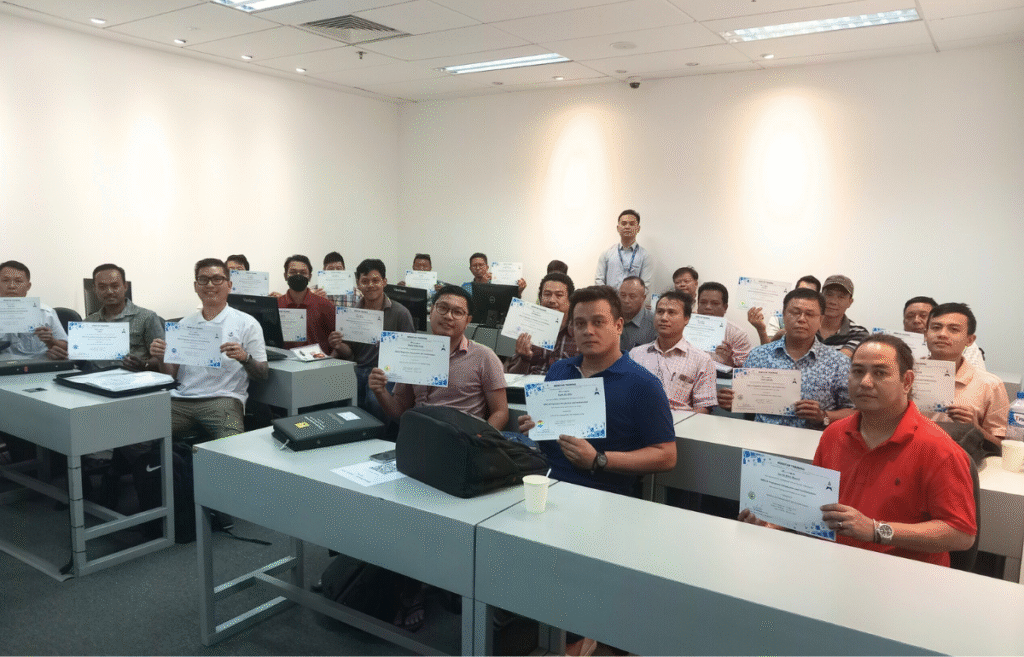
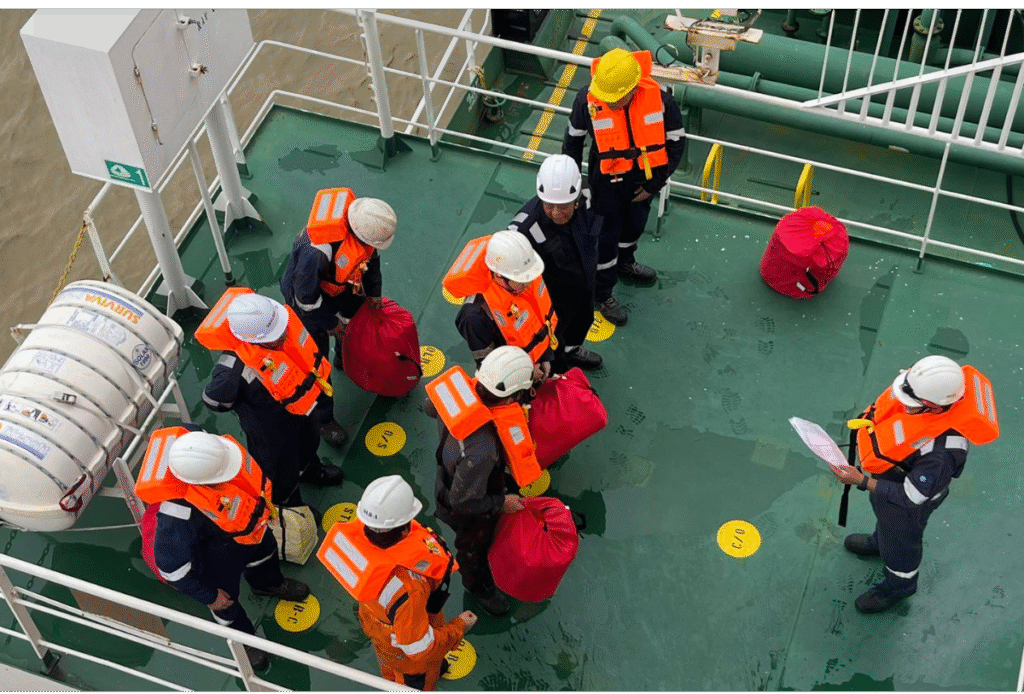
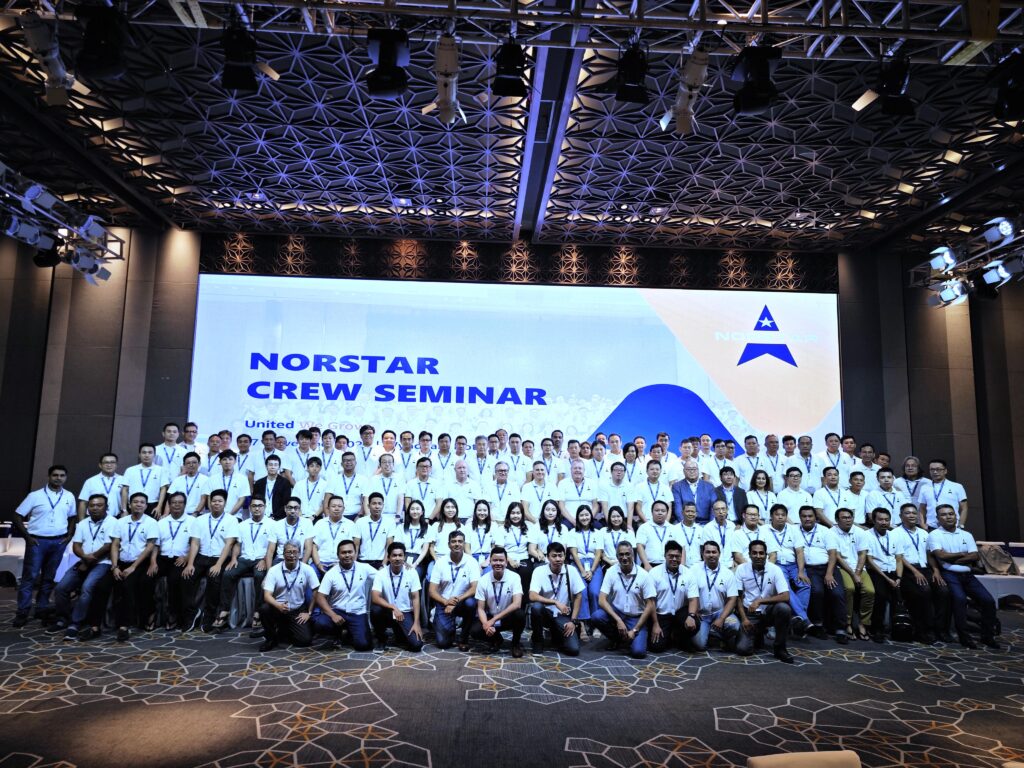
Myanmar is a useful illustration of what a mature training pipeline looks like. The country runs 29 accredited maritime training centres, training both officers and ratings across the system. Two institutions anchor the officer pipeline: Myanmar Maritime University (MMU), established in 1954, offers a degree-level pathway for deck, engine, and electro-technical officers with academic depth and planned sea-time progression toward certification, producing around 165 graduates annually; Myanmar Mercantile Marine College (MMMC), established in 1971, runs diploma-based programmes built for faster deployment readiness while still holding STCW compliance, producing around 240 graduates annually. Together, MMU and MMMC form the flagship, academically structured layer of that pipeline, producing roughly 405 officer-track graduates a year across deck, engine, and electro-technical disciplines, who go on to complete their STCW certification of competency through sea time. That officer pipeline sits within a total active Myanmar seafarer pool of over 60,000 across all ranks. Norstar Crew Management has been developing its training capability in Myanmar since 2015, specifically to close the gap between holding a certificate and being ready to work safely on tankers carrying hazardous and chemical cargoes.
2. English Proficiency and Onboard Communication Standards
Communication failure is consistently linked to maritime incidents, as reported by the Marine Accident Investigation Branch (MAIB) and the International Maritime Organisation (IMO). On a multinational vessel, clear communication under real working conditions is a safety requirement, not an optional standard.
Go beyond interview-level English. Think about how Myanmar seafarers will perform under pressure, at night, mid-voyage. Our pre-joining assessments include simulator-based communication evaluation for exactly this reason — interview fluency and working fluency under fatigue are not the same thing, and the gap only shows up once, at the worst possible time.
3. Flag State Acceptance and Documentation Reliability
Not all crew markets are equally compatible across different flag states. Which nationalities can legally serve on a given vessel depends on STCW recognition agreements, bilateral arrangements between governments, and the specific requirements of each flag administration.
White-list status under the Paris MoU and Tokyo MoU provides a verifiable signal of a country’s compliance standing. Documentation processing speed matters just as much, and delays and inconsistencies tend to only become visible during an inspection, which is the worst time to find out. Our Yangon office handles documentation and pre-joining formalities directly, which is what lets us hold consistent processing timelines for Myanmar-sourced crew rather than depending on a third-party agent’s pace.
4. Retention History and Early Attrition Signals
Retention data is one of the most reliable signals of whether a market will hold up over time. Still, it is often the last thing shipowners consider during the initial evaluation. High early attrition usually points to something specific: onboarding quality, role fit, cultural integration, or gaps in shore-side support.
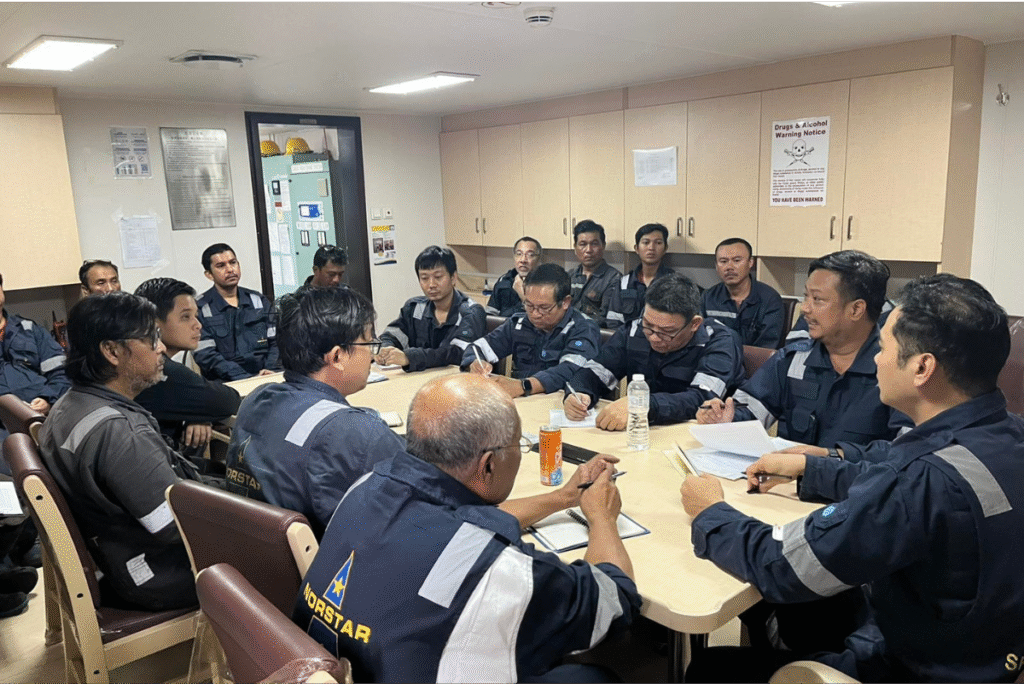
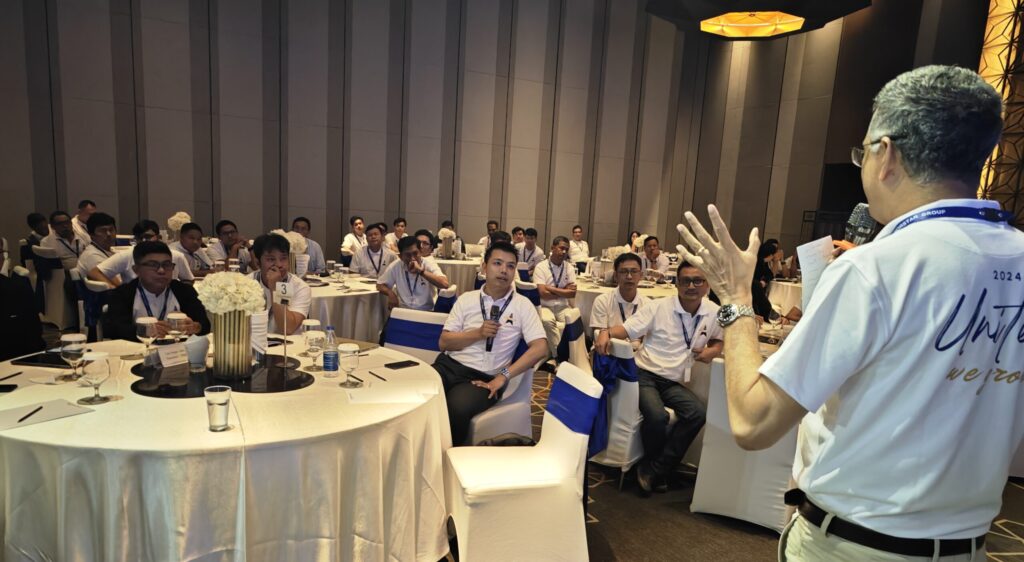
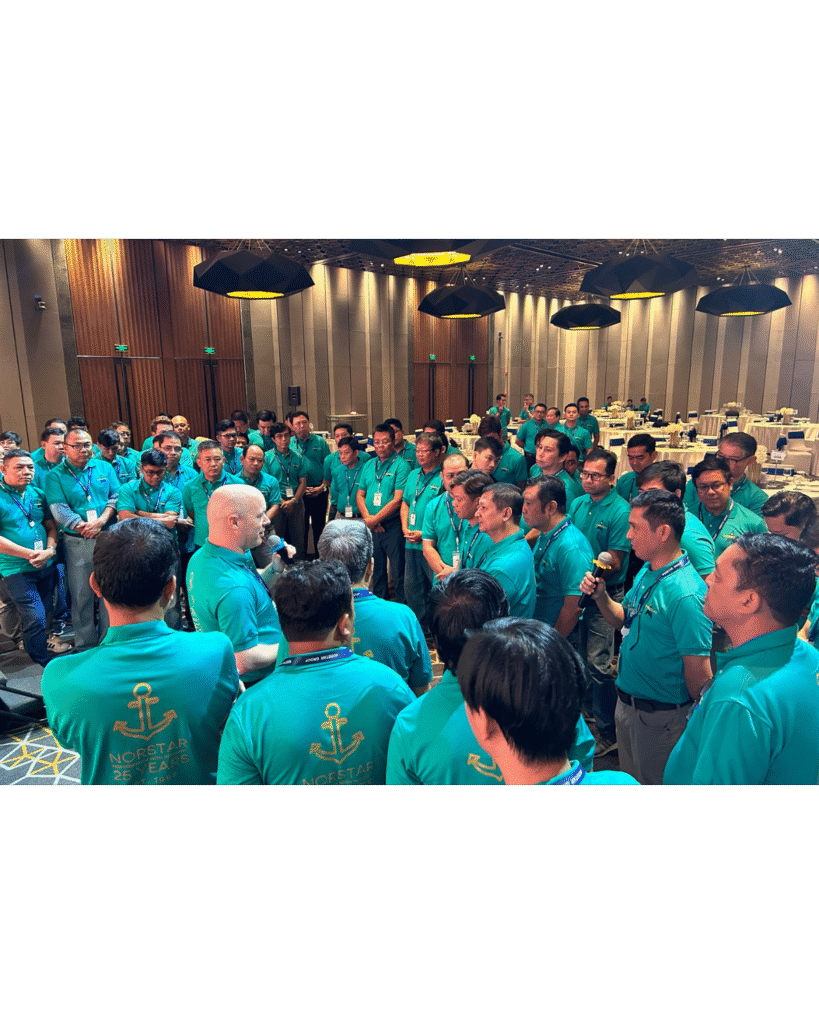
If data is available from published sources, other operators, or a crewing partner with direct experience in that market, treat it as a primary input, not a footnote. When data is limited, build early deployments around clear review points before committing further. For reference, our own Myanmar crew retention rate sits at 98%. That figure reflects not just who we recruit, but the welfare programmes, biannual officer conferences, and shore support we have built to keep Myanmar seafarers with us for the long term.
5. Myanmar's Seafarer Pool Depth and Deployment Readiness
A market can have qualified seafarers without the active pool depth needed for consistent fleet-scale operations. Visa timelines, flight connections to major port hubs, pre-departure medical access, and embassy services for flag state endorsements all affect how quickly you can realistically get crew on board.
For operators running larger fleets or high-frequency rotations, scalability matters as much as quality. A market that works well for one vessel may not hold up at a broader scale without lead times stretching or standards slipping.
Myanmar’s seafarer data illustrates why this depth question matters. The country has over 60,000 active seafarers currently supporting international operations, drawn from a population of 55 million with 0.7% annual growth. Myanmar’s workforce is young — 52% of the population is under 30, with a median age of 29 — and roughly 68% of active Myanmar seafarers are between 20 and 40, spread across bulk carriers, tankers, and container vessels rather than concentrated in one segment. More than half the population under 30 has expressed willingness to work overseas, which points to continued supply from the Myanmar crew market rather than a market that peaks and contracts. Our active pool of over 2,000 seafarers across Myanmar, India, and the Philippines exists for exactly this reason — depth that holds up when a fleet scales, not just when a single vessel needs a crew change.
Test the Market Before Scaling Crew Supply
The most practical way to enter a new crew market is through a structured pilot. Place a small number of Myanmar crew alongside experienced crew from established markets on a single vessel, with clear performance and retention benchmarks in place from the start.
Build in review points before you consider scaling. It keeps your exposure manageable and sends a clear signal to the crew that they are joining a process that has been thought through, which tends to support better retention from day one.
What an Experienced Myanmar Crew Management Partner Brings to This Process
Pulling this evaluation together independently takes significant effort. Flag state compatibility, documentation timelines, attrition history, training quality, and pool depth are not always easy to find in one place, and they are rarely straightforward to interpret without context.
A crew management company with established sourcing operations in Myanmar will typically hold much of this as working knowledge, backed by existing relationships with training institutions, flag administrations, and pre-joining service providers. They also bring performance data from previous rotations to inform decisions before any fleet commitment is made.
The difference is not just access to Myanmar seafarers but informed access, meaning your first rotation does not have to be the one where you learn what you should have known before committing.
The breadth of this scope is why effective crew management requires specialist expertise. Each of these functions involves its own regulatory framework, operational complexity and risk — and they are all interdependent. A lapsed certificate discovered at port state control, a payroll error, or a poorly planned crew rotation can have immediate consequences for vessel operations and charter commitments.
Why the Myanmar Crew Market Matters for Ship Owners
The human element accounts for a significant proportion of vessel operating costs — and an even higher proportion of operational risk. Studies consistently find that the majority of maritime incidents involve human factors. The quality, certification and wellbeing of the crew aboard your vessel is not a secondary concern; it is a primary determinant of safety, efficiency and commercial performance.
For ship owners evaluating Myanmar as a crew sourcing market, outsourcing crew management to a Myanmar-based specialist delivers several concrete advantages. It removes the need to build and maintain an in-house crewing department with expertise across recruitment, payroll, maritime law and international compliance. It provides access to established Myanmar seafarer networks that take years to build. And it transfers a significant portion of operational and compliance risk to a party with the systems and expertise to manage it.
Myanmar Crew Market Evaluation Is a Discipline, Not a One-Time Decision
Crew markets change, and Myanmar is no exception. Training standards improve or slip. Active pools grow or contract as domestic employment opportunities shift. A market that works well today may look quite different two or three years into a crewing relationship. That’s why it’s worth revisiting your data at every rotation cycle, not just when you are first making the decision.
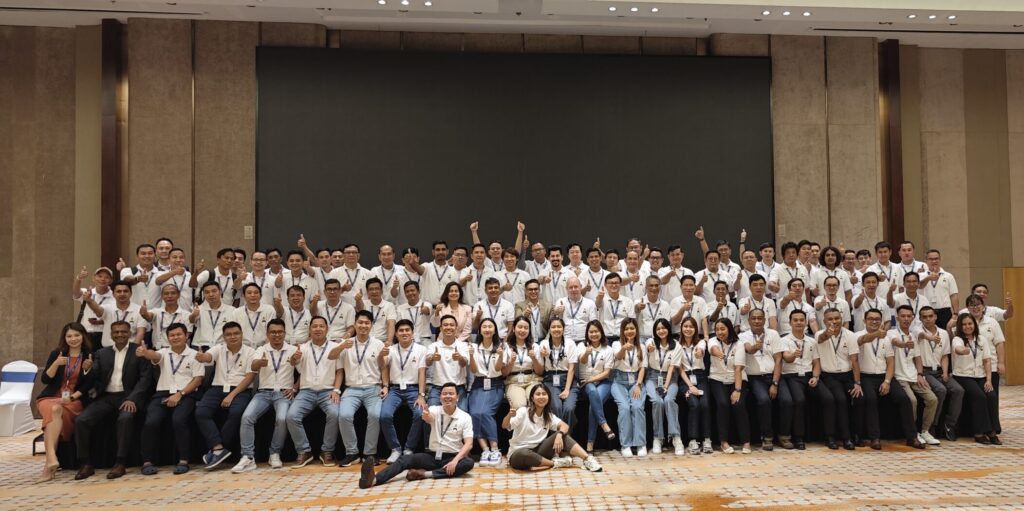
At Norstar Crew Management, we have been building and refining this approach since 2015, with an active pool of over 2,000 seafarers across Myanmar, India, and the Philippines. If you’re thinking about expanding your crew sourcing, get in touch today and we would be glad to talk it through with you.
Myanmar market data (population, workforce demographics, training centre and graduate figures) reflects the most recent figures available from Myanmar's Department of Marine Administration at the time of publishing and may be updated as more current data becomes available.
Whether you're reviewing your current crew management model or looking for a new partner, we're happy to walk through what Norstar can offer.
Talk to us about your crewing requirements
Share the Post:
Related Posts

We connect ship owners with competent crew and seafarers with global opportunities.