Why Crew Diversification Is Vital to Workforce Resilience in Ship Management
Managing vessels with an owner’s mindset changes how you think about people. When you’re accountable for long-term asset performance, safety outcomes and operational continuity, crewing becomes less of a back-office task and more of a strategic lever that shapes reliability at sea.
That’s why maritime crew management is moving up the leadership agenda. For years, crew management in shipping was treated as an operational function: if vessels were crewed and schedules held, it stayed out of strategic discussions. That line no longer holds.
Today, modern crew management services extend beyond filling vacancies. They now form part of a structured risk management framework that protects operational continuity and asset value.
As a result of this more holistic perspective, crew diversification is emerging as a keystone of improved workforce resilience and robust long-term workforce planning.
The Officer Shortage Is Structural, Not Cyclical
The officer shortage is a long-term pipeline issue, not a temporary market swing. An ageing officer population in traditional manning countries, slower progression through certification pathways, and stricter regulatory requirements are tightening supply across vessel segments. At the same time, fleets continue to expand, and expectations around safety, reporting and performance continue to rise.
In this environment, wage adjustments alone aren’t a solution. Pay influences retention, but it doesn’t fix the underlying constraints in the officer pipeline. Effective crew management services, therefore, have to focus on continuity and resilience rather than short-term recruitment fixes.
For management teams responsible for owner-operated tonnage, the risk is immediate. Structural shortages create long-term cost volatility, increase execution risk and reduce operational flexibility if they aren’t addressed early.
For example, fleets heavily dependent on a single officer supply market may experience simultaneous rotation pressure across multiple vessels if certification delays, training bottlenecks or regulatory changes occur in that region. Without diversified pipelines, vessel crew management can quickly shift from controlled planning to reactive crisis response.
Concentration Risk in Traditional Crew Markets
Many global fleets remain heavily dependent on a small number of traditional crew markets – most notably the Philippines, India, China, Eastern Europe and parts of Southeast Asia. But while this concentration was once viewed as efficient, it increasingly represents a single-point vulnerability.
When sourcing is concentrated, disruption in one labour market can affect multiple vessels simultaneously. Retention volatility, regulatory changes, training bottlenecks or regional uncertainty can cascade into operational instability, higher workload for ship managers, and schedule disruption.
In ship management, this kind of concentration risk deserves the same scrutiny as fuel supply, maintenance strategy, or regulatory compliance. Workforce models should be assessed not only for cost efficiency, but for resilience under pressure – particularly where crew management in shipping depends on a narrow set of pipelines.
Crew Diversification as a Resilience Strategy
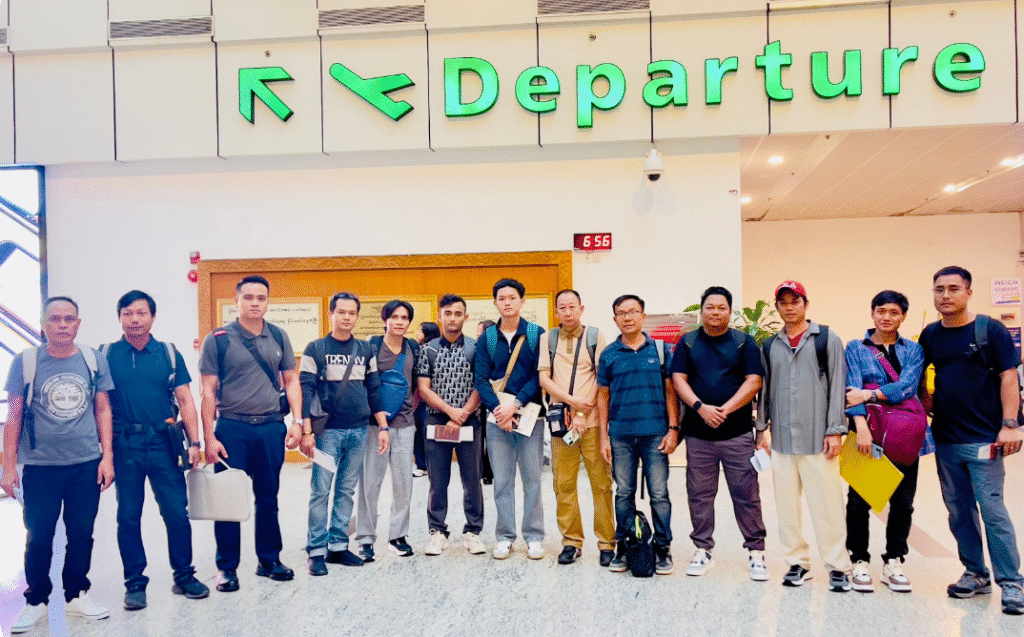
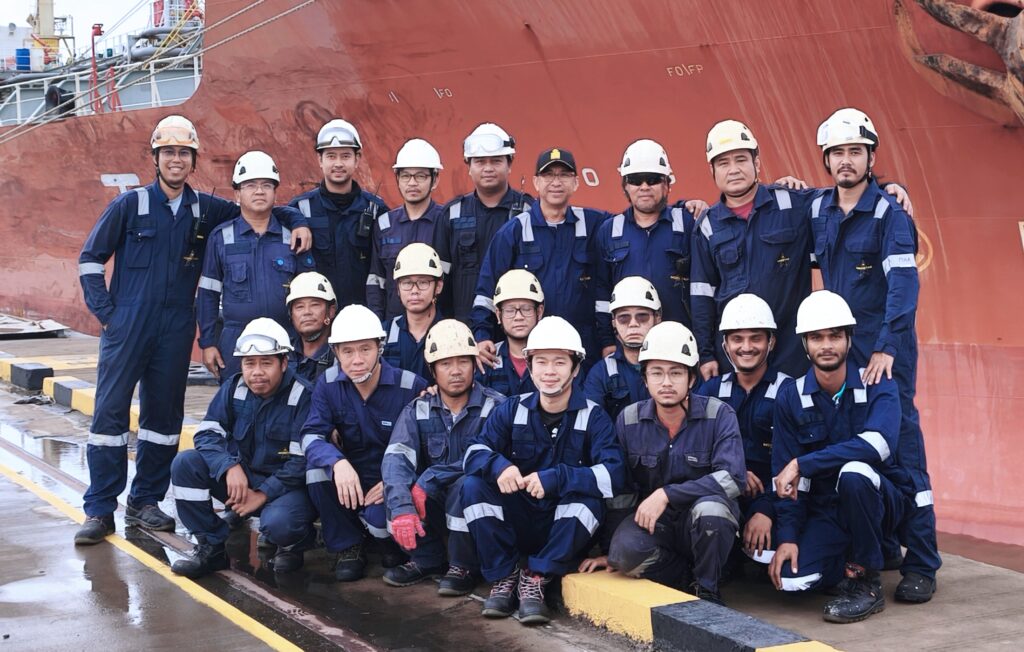
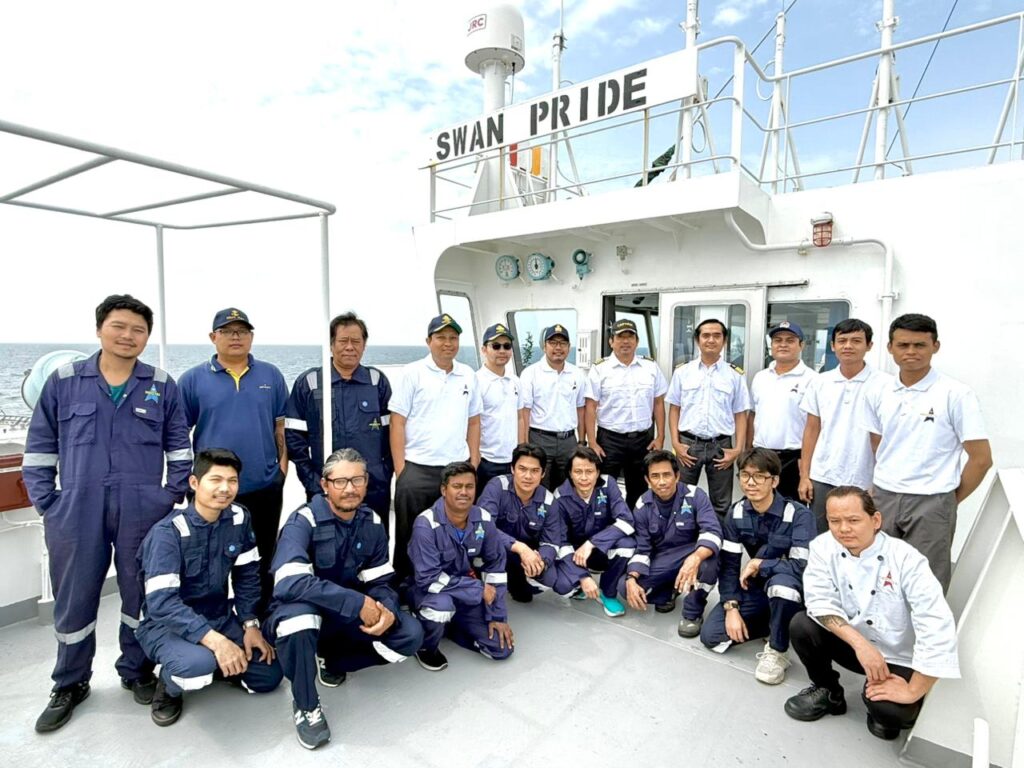
Crew diversification is often mistaken for a replacement strategy. But in reality, effective marine crew management uses diversification to broaden and balance sourcing – complementing existing crew markets rather than displacing them.
The objective is to reduce dependency risk and strengthen workforce resilience across multiple contract cycles. Diversification creates value when it’s approached deliberately, supported by a long-term view of training pipelines, readiness standards, and retention dynamics.
When diversification is rushed or reactive, it can introduce execution risk. When it is planned and supported by systems, it improves stability and predictability – two outcomes that sit at the heart of high-performing crew management in shipping.
From an owner’s perspective, diversification isn’t about quickly filling gaps. It’s about ensuring workforce models can support vessels consistently over time as market conditions evolve, and that maritime crew management can withstand shocks without compromising safety or performance.
From Reactive Crewing to Strategic Workforce Planning
A clear lesson from managing tonnage is that reactive crewing is costly. If you only respond once shortages hit, options shrink, costs rise, onboarding standards can slip, and retention becomes harder to forecast.
Strategic workforce planning shifts this dynamic. It requires leadership teams to look beyond immediate manning needs and assess how today’s decisions affect fleet stability three, five, or even ten years ahead.
In practical terms, that means identifying where concentration risk exists, tracking how officer pipelines are evolving, and ensuring diversification initiatives are supported by execution capability – not access alone. Workforce resilience is built gradually, not under pressure. The strongest crew management services reflect this reality, investing in capability early so the organisation isn’t forced into last-minute compromises.
This is where structured maritime crew management models can distinguish themselves: by integrating workforce analytics, multi-country sourcing strategies and retention monitoring into a cohesive operational framework rather than treating crewing as a transactional activity.
Workforce Resilience Is a Leadership Responsibility
Crew diversification and workforce resilience can’t be confined solely to crewing departments. They require alignment between management, operations and commercial teams – and clarity on what “good” looks like for maritime crew management.
For senior leaders responsible for vessel operations, the responsibility is to ensure workforce strategy supports long-term operational integrity, safety performance and asset value. Crewing models must be treated with the same discipline applied to other strategic risks.
The question facing shipowners and ship managers is no longer whether workforce pressure will intensify – the indicators are already clear. The real question is whether current workforce models are designed to absorb that pressure without compromising performance or continuity.
Crew diversification, embedded within structured maritime workforce planning, is no longer an operational choice. It’s a strategic decision at the heart of workforce resilience – and a cornerstone topic in the broader series on modern maritime crew management.
This article is Part 1 of Crew Diversification series.
About the Author
Dr Lars Gruenitz is Managing Director of Norstar Ship Management Pte Ltd, based in Singapore. With experience spanning naval architecture, shipowning and large-scale vessel management, he has held senior leadership roles across Europe and Asia. He holds a doctoral degree in Naval Architecture and is focused on driving behaviour-based safety, digital transformation and long-term operational performance.

Crew Diversification in Practice
This market insight goes beyond the article to examine how crew diversification is being applied in practice. It explores structural pressures on traditional crew markets, common execution risks, and includes a real-world case study illustrating how emerging crew sources are being assessed within long-term workforce planning.
Share the Post:
Related Posts

Your fleet is growing — and so should your access to qualified seafarers.
Let's build your crew strategy — together.

We connect ship owners with competent crew and seafarers with global opportunities.