From the Bridge to the Crew Management Office: Execution Determines Whether Diversity Truly Reduces Risk
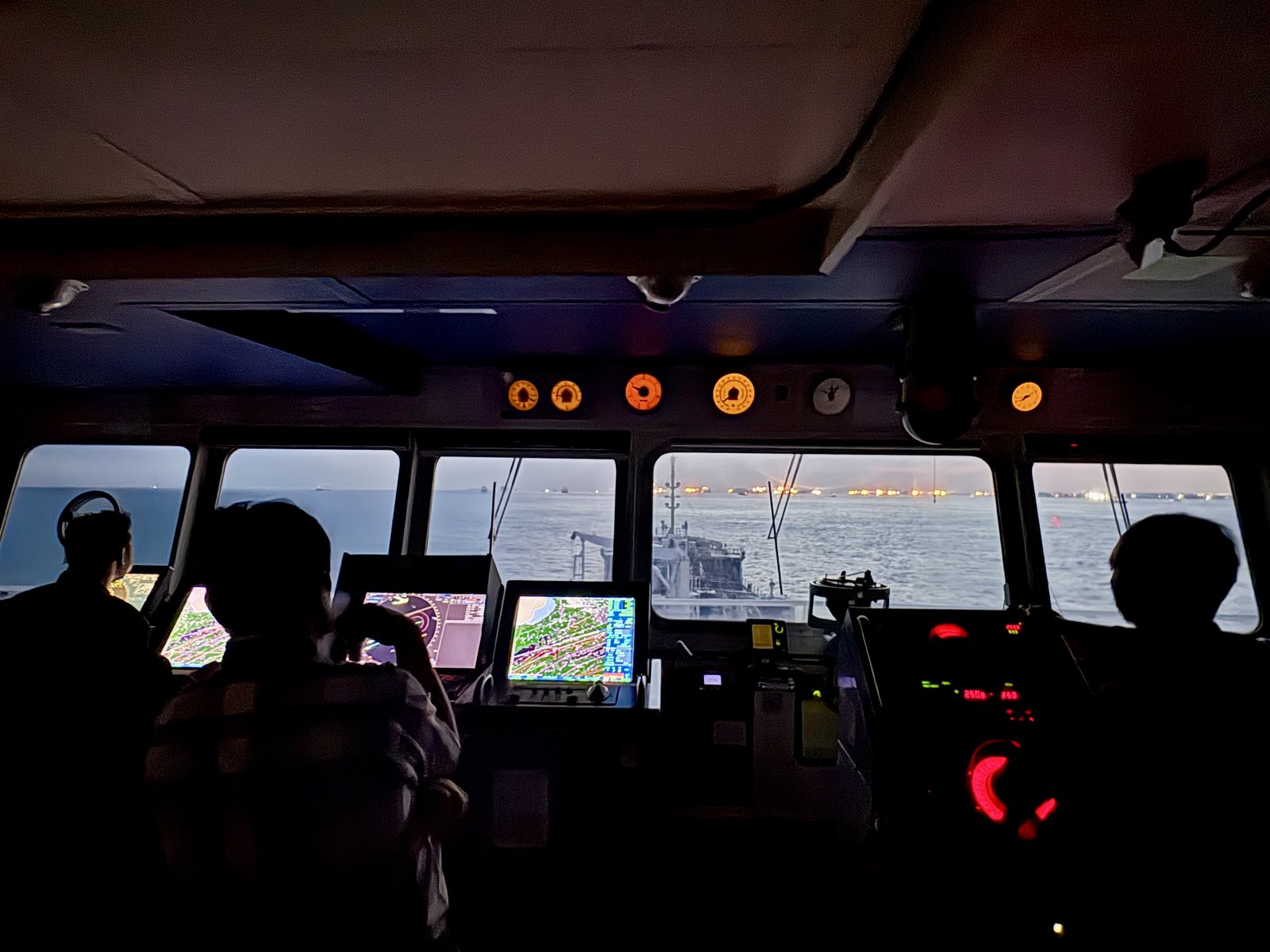
What Concentration Risk Feels Like On Board
In management discussions, workforce risk is often framed as a financial or operational variable. At sea, it is experienced in human performance.
Seafarers remain closely connected to their families and communities while serving onboard. When a major disruption affects a single labour market such as political instability, natural disaster, regulatory change, or financial stress, the operational impact can be immediate.
If a large portion of the crew is exposed to the same external event at the same time, concentration risk becomes operational exposure.
Reduced focus affects judgement.
Judgement affects safety.
When concentration is high, a single external shock can influence multiple crew members at once. This weakens onboard stability and increases risk sensitivity.
Crew changes create a similar dynamic. What may appear ashore as a logistical delay can translate onboard into uncertainty and reduced morale. Predictable planning and clear communication are not administrative details. They are operational safeguards.
Workforce planning decisions made ashore directly influence performance at sea.
What I Now Design Differently
Having experienced these pressures onboard, I approach crewing with a different emphasis.
Crew management cannot rely solely on certification and availability. It must be designed for resilience.
Diversification, when structured properly, reduces concentration risk by ensuring that a vessel’s crew is not uniformly exposed to the same external pressures. This does not mean replacing one group with another.
It means avoiding structural over reliance.
Execution determines whether diversification strengthens resilience or introduces complexity.
A disciplined approach requires:
- Structured rotation planning
- Early and transparent communication on crew changes
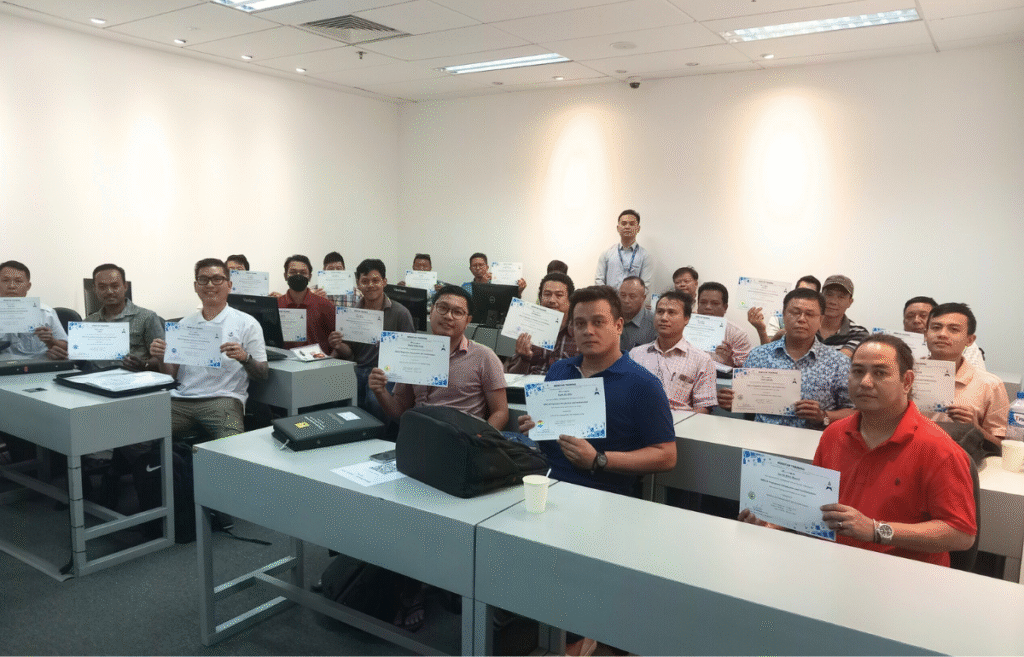
- Repeat deployment to build familiarity
- Competency alignment across backgrounds
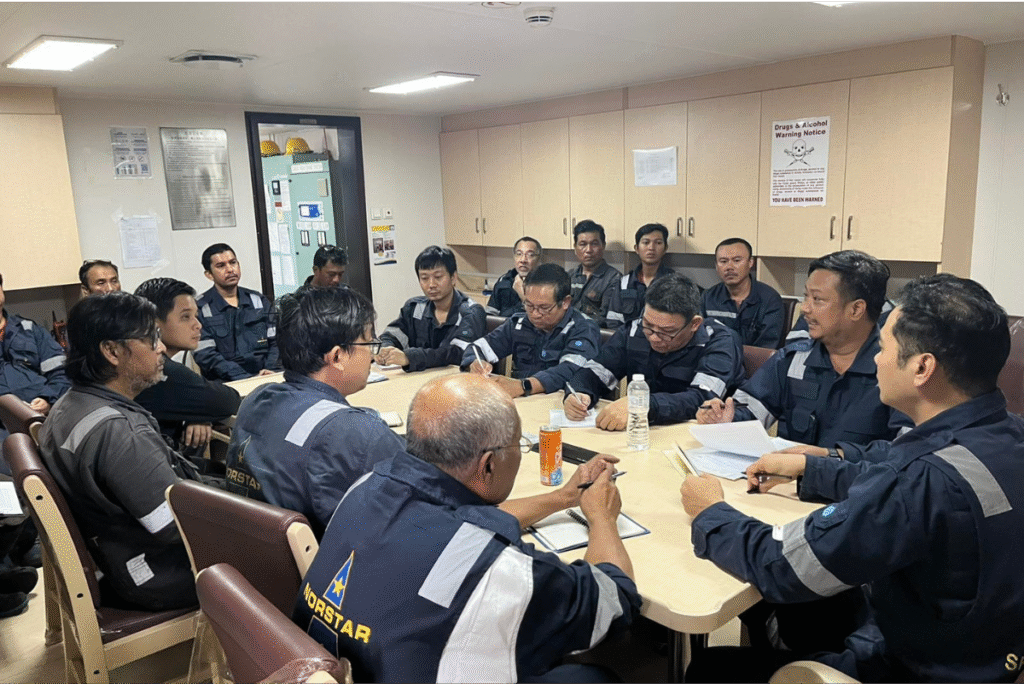
- Defined escalation channels when integration challenges arise
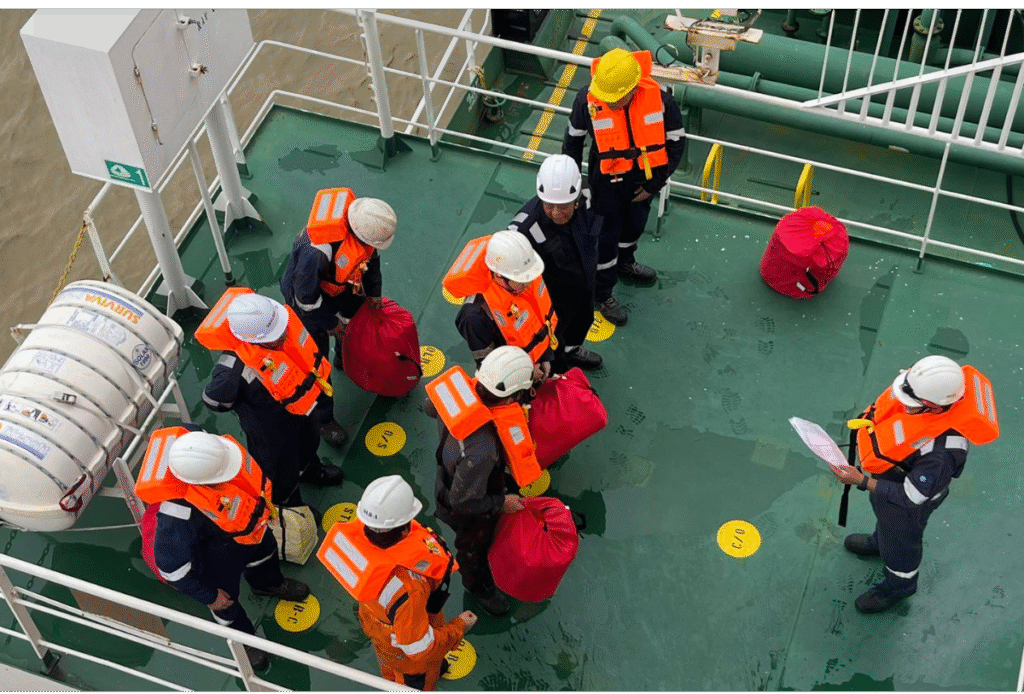
Crew changes should be treated as safety milestones, not administrative transactions.
Unplanned extensions or late notifications increase uncertainty. Consistent and predictable planning allows seafarers to maintain operational focus.
Diversification reduces workforce risk only when integration is deliberate and monitored.
Why Diversification Must Be Engineered
In ship operations, redundancy is built into systems to ensure reliability. The same principle applies to workforce structure.
Crew diversification should be engineered as a multi stream workforce architecture rather than implemented as a reactive adjustment.
A resilient crewing model requires:
- Proactive talent mapping across multiple sourcing streams
- Alignment to a unified operating and safety culture
- Continuous monitoring of performance indicators
- Long term workforce planning rather than short term substitution
Without structured execution, diversification increases administrative complexity. With governance and discipline, it reduces concentration exposure and strengthens operational stability.
Access to manpower is not sufficient. Integration determines outcome.
The Leadership Responsibility
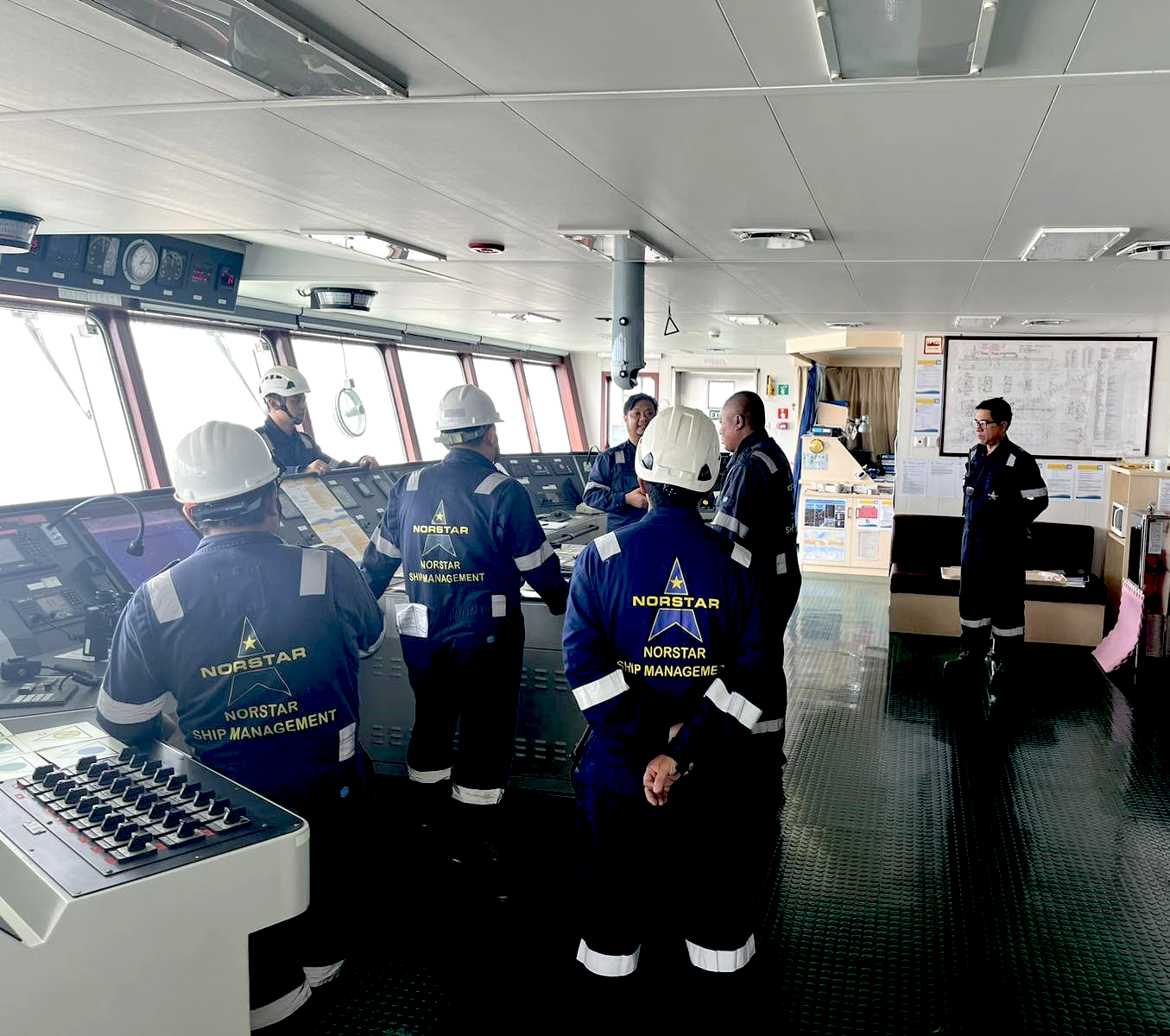
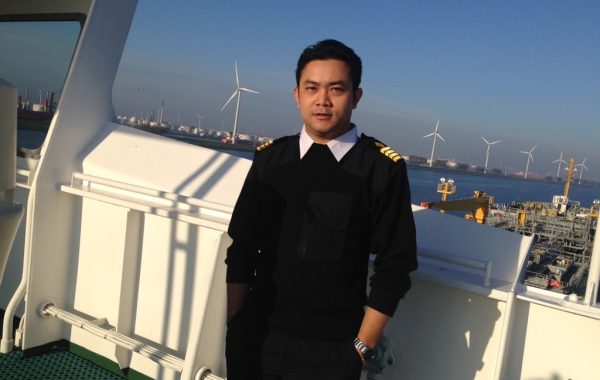
As a former Captain, I now represent the operational realities of the vessel within the management environment.
Workforce risk is not solely an HR concern. It is a leadership responsibility.
Shipowners and managers should regularly assess:
- The degree of concentration within their crew supply
• The potential impact of external events on crew focus
• Whether diversification is structured and monitored
• Whether Masters are supported with predictable and stable planning
Workforce diversification is not a trend. It is a risk management discipline.
When engineered with structure and accountability, it strengthens workforce resilience and reduces operational exposure.
When treated as a short term adjustment, it may amplify the risks it seeks to address.
Execution makes the difference.
This article is Part 2 of Crew Diversification series.
About the Author
Crew Diversification in Practice
This market insight goes beyond the article to examine how crew diversification is being applied in practice. It explores structural pressures on traditional crew markets, common execution risks, and includes a real-world case study illustrating how emerging crew sources are being assessed within long-term workforce planning.
Share the Post:
Related Posts