
Implementing Crew Diversification: Considerations for Fleet Operators
Crew diversification is increasingly recognised as a key strategy for strengthening maritime workforce resilience as shipowners reassess long term crewing models. With BIMCO and ICS projecting a shortfall of 89,510 officers by 2026, many fleet operators are reviewing their crew sourcing structures to reduce concentration risk and improve long term workforce stability
However, diversification is not simply a sourcing decision. Once new labour markets are introduced, the challenge becomes operational: how can diversification be implemented without weakening crew stability, vessel familiarity, or onboard coordination?
In practice, successful diversification programmes tend to follow several key considerations.
1. Start With Workforce Exposure
Before implementing diversification, fleet operators should first understand their existing workforce structure.
- Many fleets have developed strong reliance on a single labour market over time.
- Mapping crew composition across vessel segments helps identify where concentration risk exists and where diversification may provide the greatest resilience.
The risk of inaction is not theoretical. When the Russia-Ukraine conflict began in 2022, fleets with concentrated sourcing across those two markets — which together supply approximately 14.5% of the global seafarer workforce — faced immediate disruption to crew changes and repatriation with little time to respond.
Understanding your existing workforce structure includes reviewing:
- officer and rating pipelines
- nationality concentration across vessels
- rotation structures and crew deployment patterns
2. Introduce Diversification Gradually
Diversification is most effective when introduced progressively rather than through rapid shifts in sourcing.
Sudden changes in crew composition can disrupt onboard routines and communication patterns. Gradual integration allows new crew pools to be introduced across multiple rotations while maintaining experienced personnel within key positions.
This phased approach helps protect operational continuity while allowing crews to adapt to new working combinations over time.
3. Maintain Crew Stability During Transition
Even as sourcing expands, crew stability should remain the operational anchor.
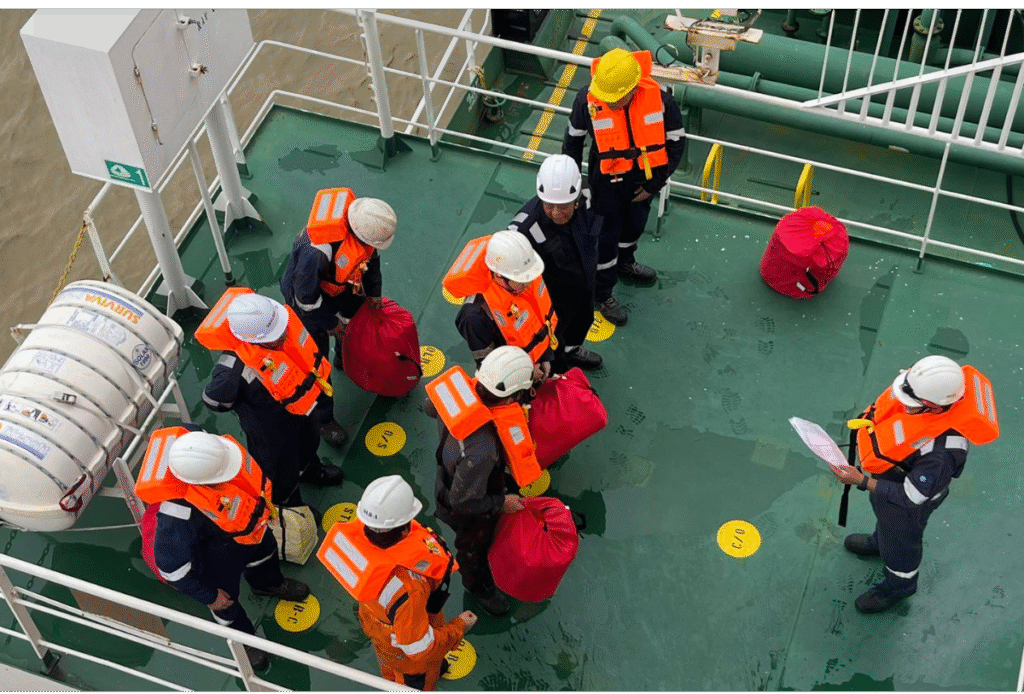
Stable deployment patterns allow seafarers to become familiar with vessel procedures, cargo routines, and onboard leadership. Repeat assignments also strengthen communication between crew members and reinforce established safety practices.
Diversification should therefore complement existing crewing models rather than increasing turnover. Retention matters beyond onboard familiarity. Industry data places average officer retention at approximately 94% sector-wide — fleets that manage diversification poorly risk falling below that baseline, compounding the very supply pressures they set out to resolve
4. Focus on Integration Onboard
Diversification does not end with sourcing. Effective integration is equally important.
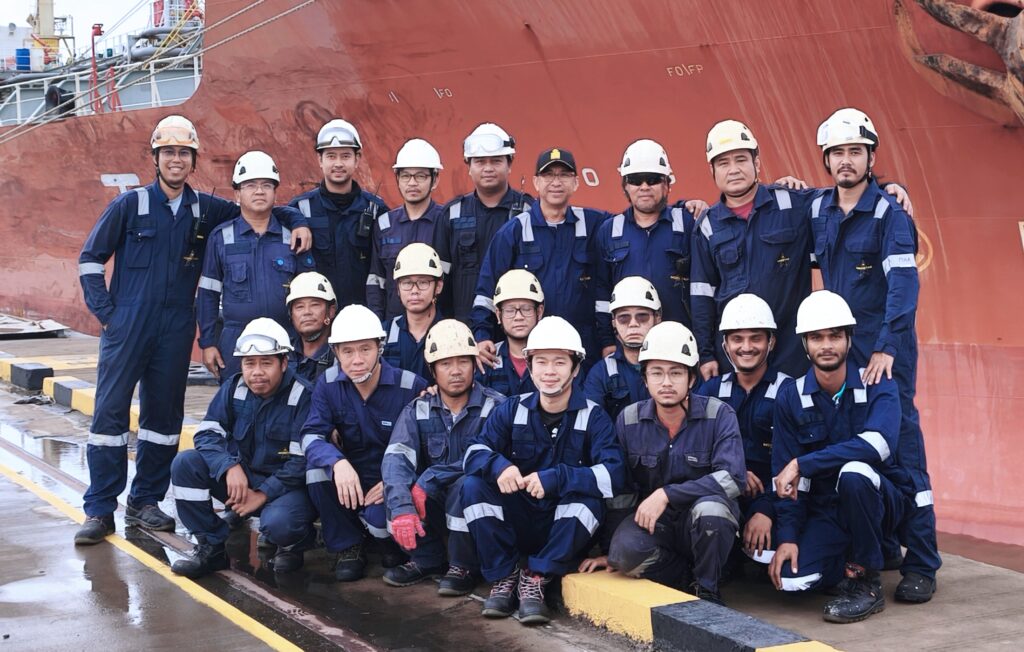
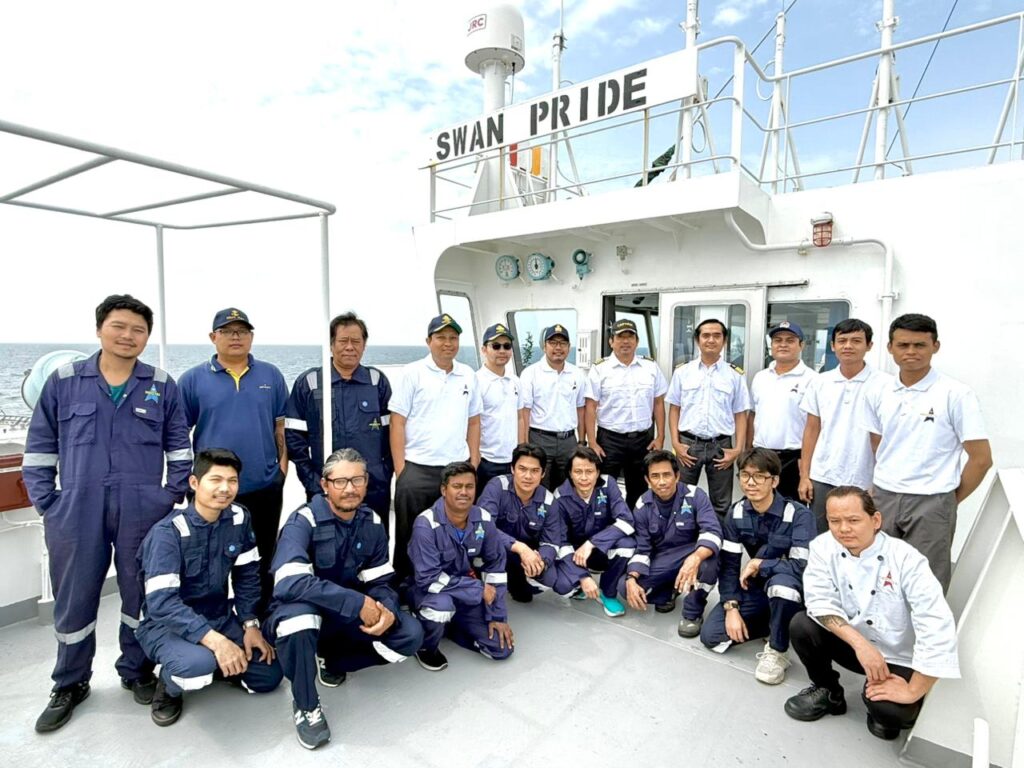
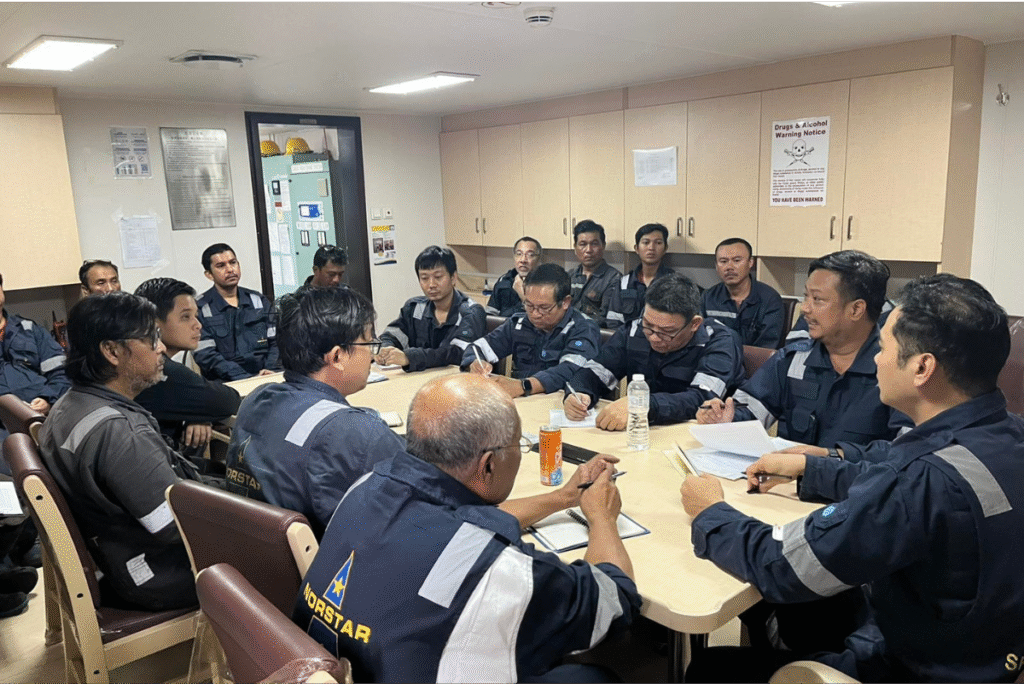
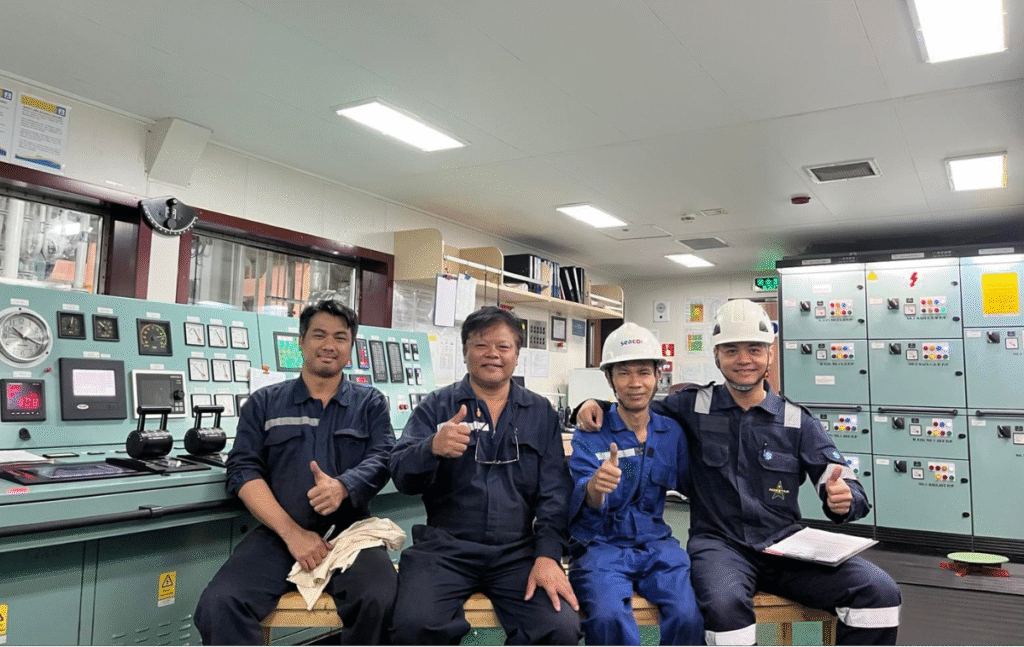
Multinational crews are common across modern fleets, but successful integration depends on clear communication, professional standards, and strong leadership onboard. Language proficiency and alignment with the vessel’s safety culture are particularly important in bridge and engine room operations.
Fleet operators that focus on integration alongside sourcing tend to achieve more stable outcomes. Poor integration has direct safety consequences. A 2024 World Maritime University study commissioned by the ITF Seafarers’ Trust found systemic fatigue across the global fleet — a risk that intensifies when crew communication and vessel familiarity are compromised during transition periods.
5. Monitor Operational Feedback
Diversification strategies should evolve based on operational experience.
Feedback from vessel masters, engineering teams, and crew managers provides valuable insight into how workforce changes affect onboard performance. Retention trends, crew feedback, and operational indicators can help identify integration challenges early.
Continuous monitoring allows diversification strategies to be refined as fleets gain experience with new crew pools.
6. Treat Diversification as Workforce Planning
Ultimately, crew diversification should be approached as a structured workforce planning process rather than a short term sourcing adjustment.
It requires coordination between shipowners, ship managers, and crewing partners to balance labour market access with operational stability. When implemented thoughtfully, diversification can reduce workforce concentration risk while preserving the crew stability required for safe and reliable vessel operations.
From Principles to Practice
While these considerations provide a framework for implementation, diversification strategies vary across fleets depending on workforce exposure, vessel segments, and execution capability.
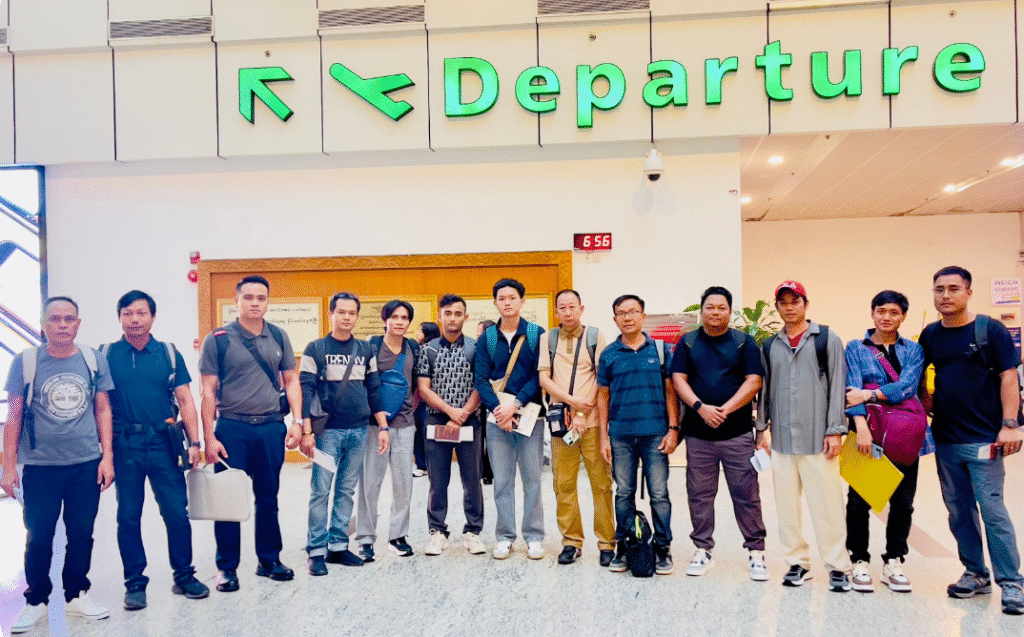
The full insight is available for download below, where these dynamics are explored in greater detail, including BIMCO/ICS data on the global officer pipeline, a real-world case study on Myanmar as a complementary crew market, and an analysis of the execution systems required to translate diversification strategy into stable, repeatable crewing outcomes.
Crew Diversification in Practice
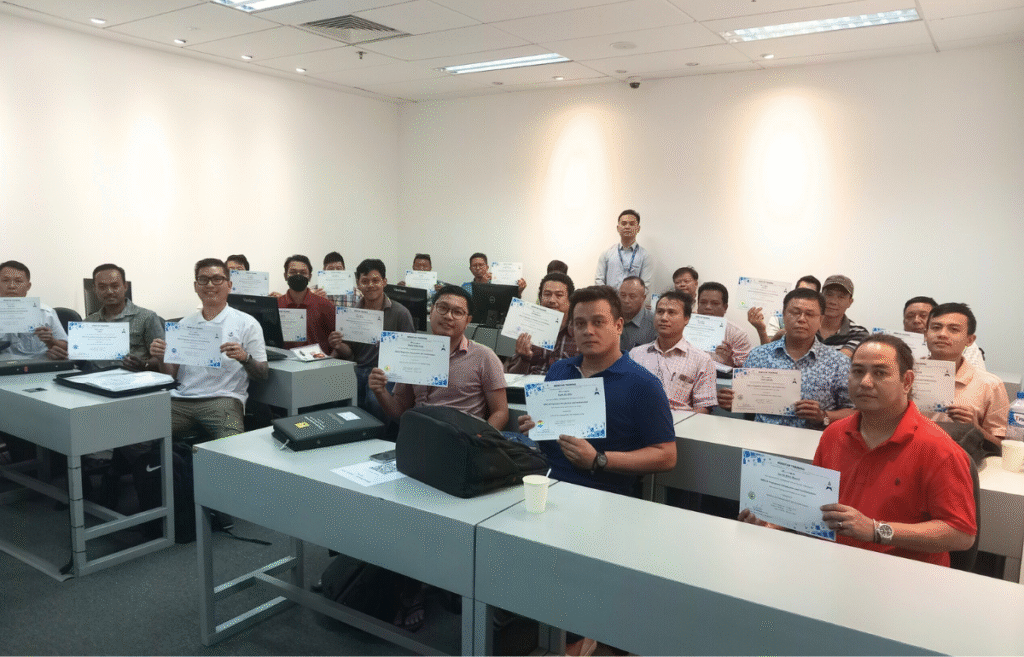
This market insight goes beyond the article to examine how crew diversification is being applied in practice. It explores structural pressures on traditional crew markets, common execution risks, and includes a real-world case study illustrating how emerging crew sources are being assessed within long-term workforce planning.
This article is Part 3 of Crew Diversification series.
Share the Post:
Related Posts

Your fleet is growing — and so should your access to qualified seafarers.
Let's build your crew strategy — together.

We connect ship owners with competent crew and seafarers with global opportunities.