Is Seafaring As A Career Still Attractive? Inside the Conversation at the Nautical Institute (Singapore) Conference 2026
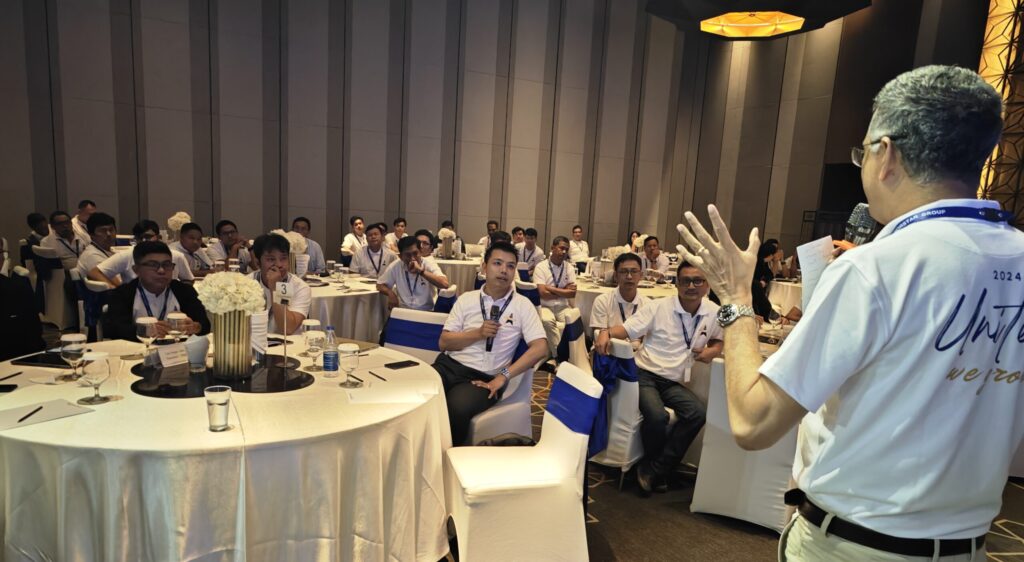
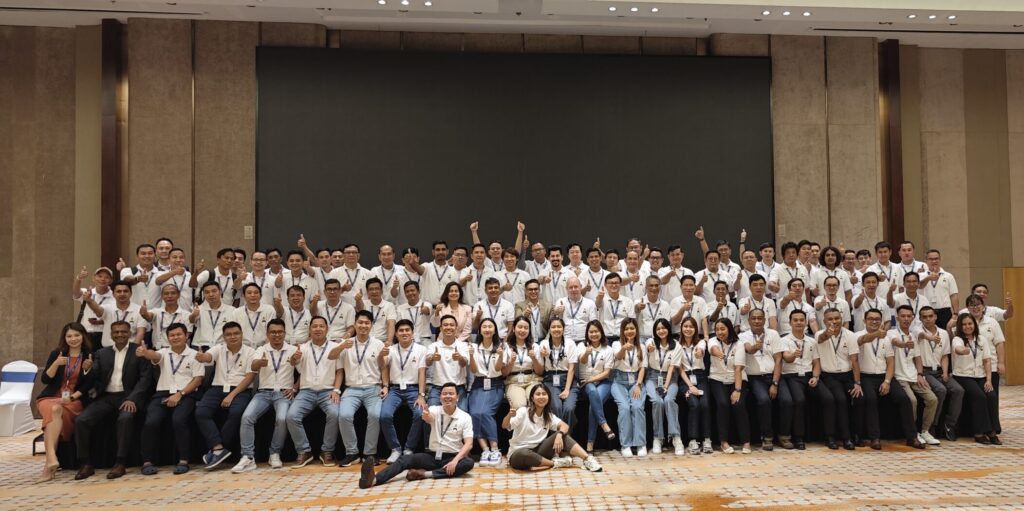
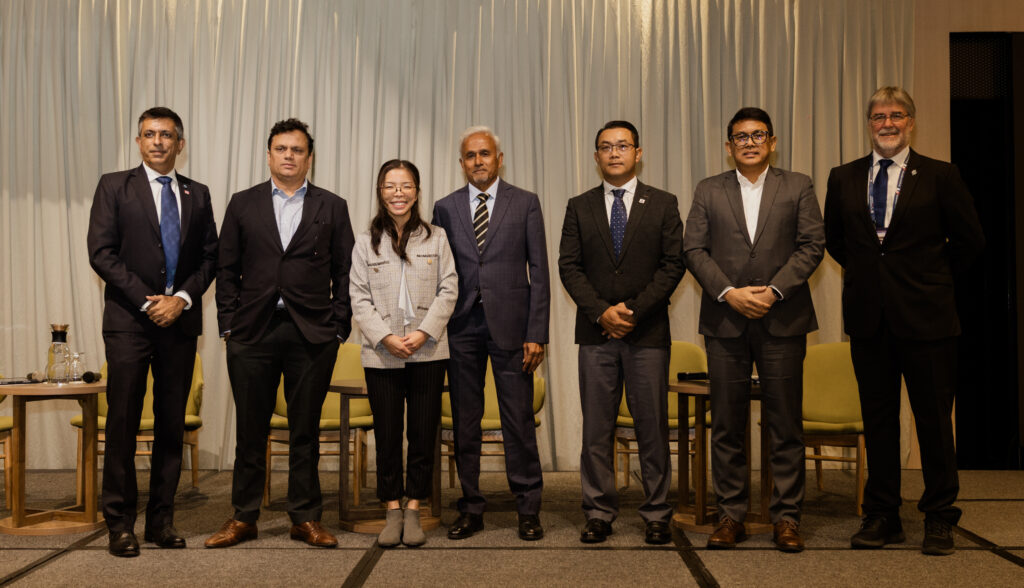
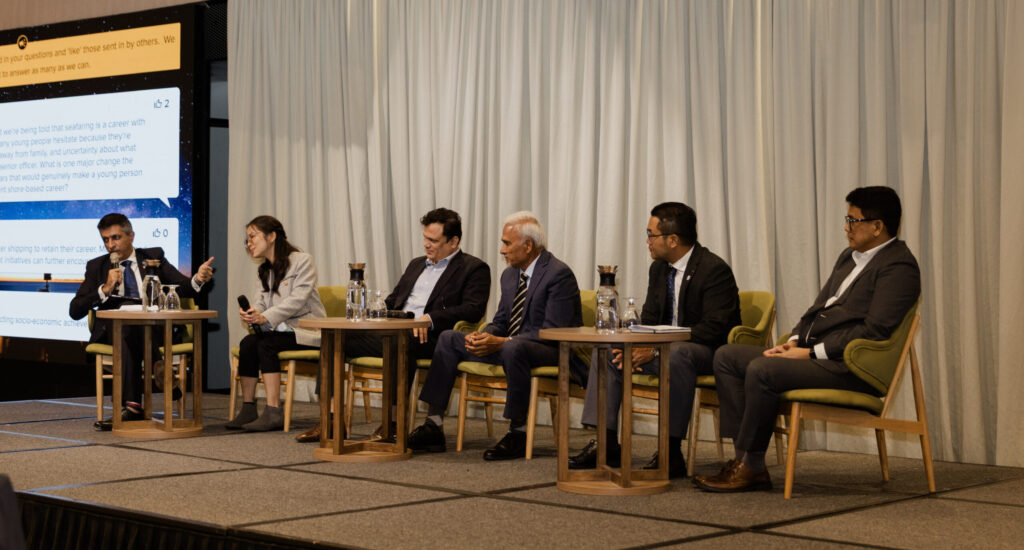
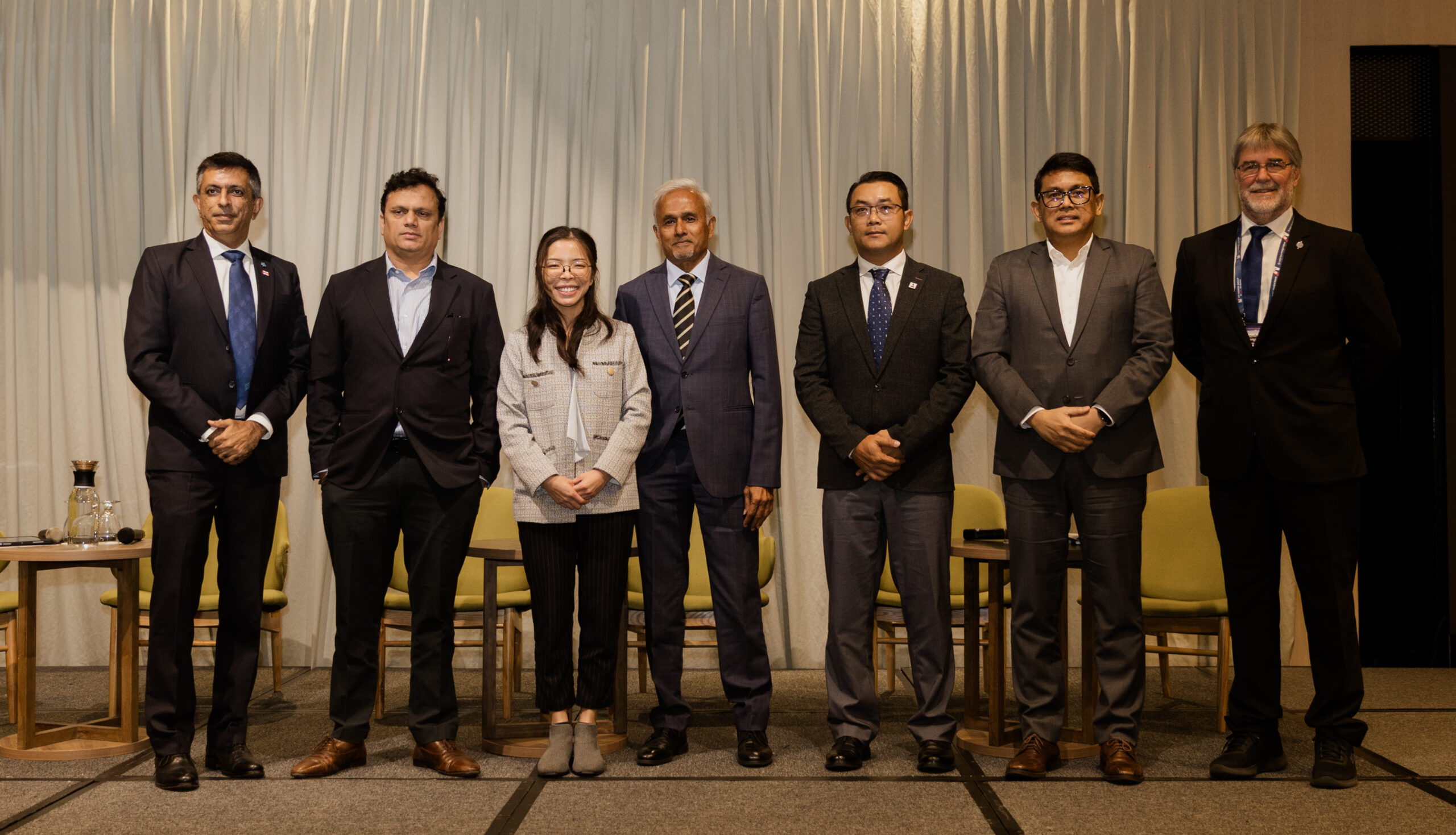
Capt Kyaw Swar Htet, Head of Crewing at Norstar Ship Management (NSM), represented the Norstar Group at the Nautical Institute (Singapore) Conference 2026, joining the “Seafaring as a Career” panel alongside Capt. Anuj Sahai (Managing Director, T&T Salvage), Capt. Vaibhav S. Rupade (Managing Director, ASP Ships India), Ms. Sophia Tan (Chief Engineer, Pacific Carriers Limited), and Capt. Pol Winston G. Haboc (Vice President, Philcamsat). The session was moderated by Capt. Kunal Nakra FNI, Vice-Chair of the Nautical Institute (Singapore).
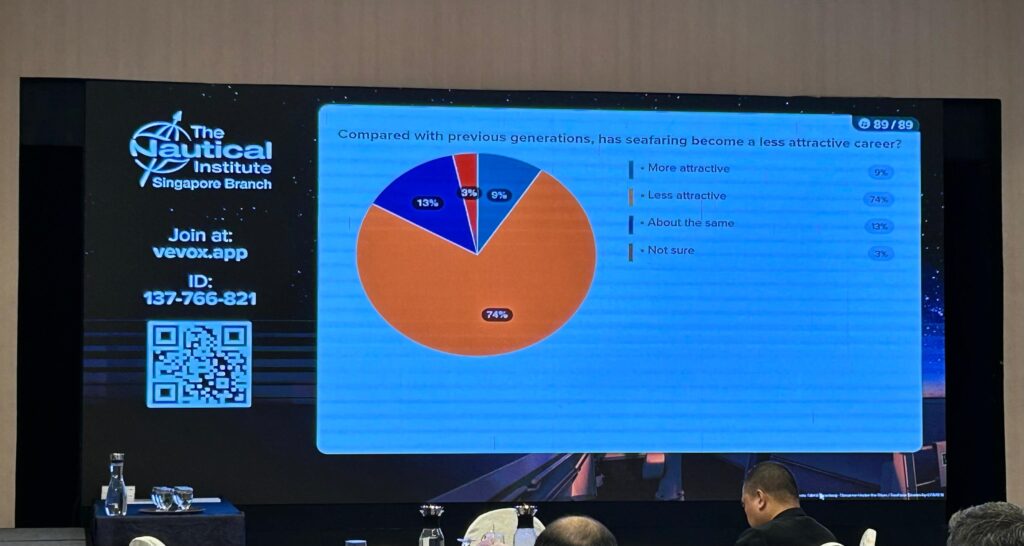
The panel opened with a live audience poll: has seafaring become a less attractive career for younger generations compared to the past? The room’s answer was clear — most agreed it has. But the discussion that followed complicated that simple “yes,” and surfaced a few findings worth sharing with anyone responsible for building or retaining a seafaring workforce.
The shortage isn't always where you think it is
Capt Kyaw Swar Htet, representing Norstar on the panel, pushed back on the idea that the industry has a shortage of interested people at all. His view: the challenge isn’t attracting enough candidates — it’s giving them a clear career pathway and retaining them through real support and development once they’re in.
That framing lined up with a wider point raised during the session: a workforce analysis conducted for several shipping companies found they weren’t actually short of people. They were failing to identify and promote capable ratings into officer training pathways. Panelists agreed there isn’t necessarily a lack of people willing to go to sea at entry level — many ratings exist in surplus. The real shortage is specifically of qualified officers, because too many ratings never progress into officer roles, and many who do eventually move ashore.
For Capt Kyaw Swar Htet, the fix starts with visibility — young people need to see seafaring as a long-term profession, not just a job. He pointed to structured career progression, leadership development, shore-based opportunities later in a career, and international exposure as the building blocks. As he put it during the discussion: when cadets can picture a path from cadet to captain and beyond, recruitment gets easier and retention improves.
Seafaring as a Career still has strong appeal — depending on where you look
The panel was careful not to treat the poll result as universal. They pointed to major crew-supplying markets where the number of cadets trained each year can far outnumber the available shipboard placements. — the constraint isn’t interest, it’s opportunity.
Panelists agreed that in countries like the Philippines and Myanmar, seafaring continues to be a top career choice, largely because there are fewer competing high-paying local alternatives. In more developed economies, young people simply have more options to weigh against a life at sea. This regional contrast is a useful reminder that “is seafaring still attractive” doesn’t have one global answer — it depends heavily on where your talent pipeline is drawn from.
What actually shapes a good officer
Mentorship came up repeatedly. Panelists agreed it’s critical to retention, and that it already happens informally on board — but it’s rarely a structured, officially supported company program.
One panelist drew a distinction worth remembering: “explicit learning” (formal classroom and certification training) versus “implicit learning” — the on-the-job experience and role-modeling that comes from working alongside a good, experienced captain or chief engineer. The panel’s consensus was that this implicit, mentorship-driven learning is what truly shapes good future officers, more than certification alone.
The discussion also flagged a generational blind spot: younger seafarers are more tech-driven and expect faster career progression, but mid-career (millennial) seafarers may be an at-risk group companies are neglecting — since most retention initiatives are built around attracting the youngest generation, not retaining the experienced middle.
Academies and industry can't operate in isolation
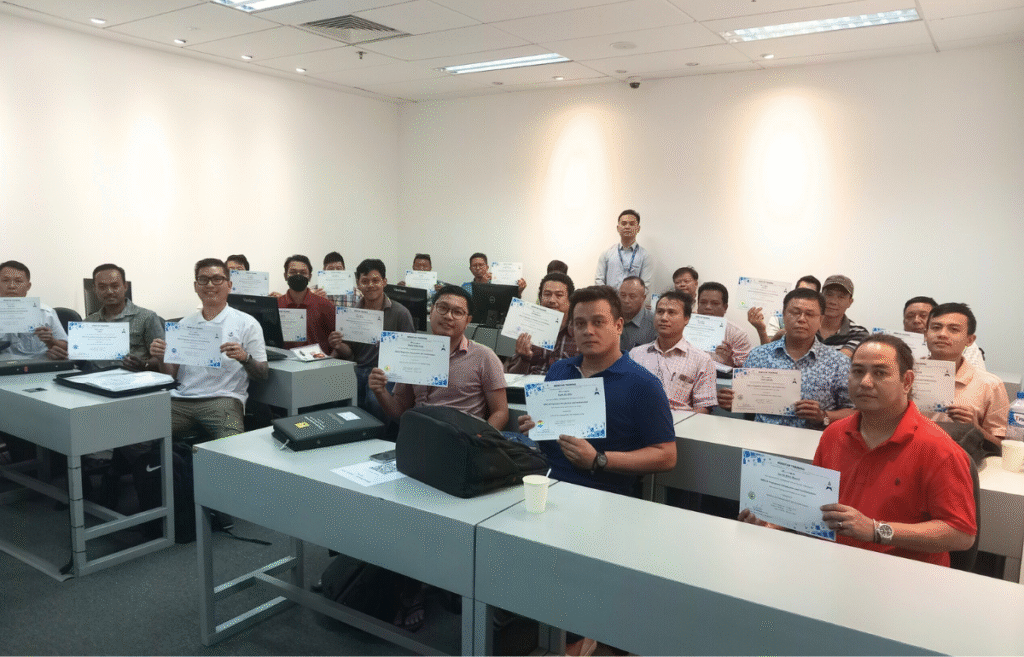
A second point Capt Kyaw Swar Htet returned to: training institutions can’t build seafarers in a vacuum. Stronger, more regular engagement between maritime academies and shipowners — ship visits, internships, more cadet berths, and training that reflects operational reality rather than just the syllabus — helps students understand what life at sea actually looks like before they commit to it.
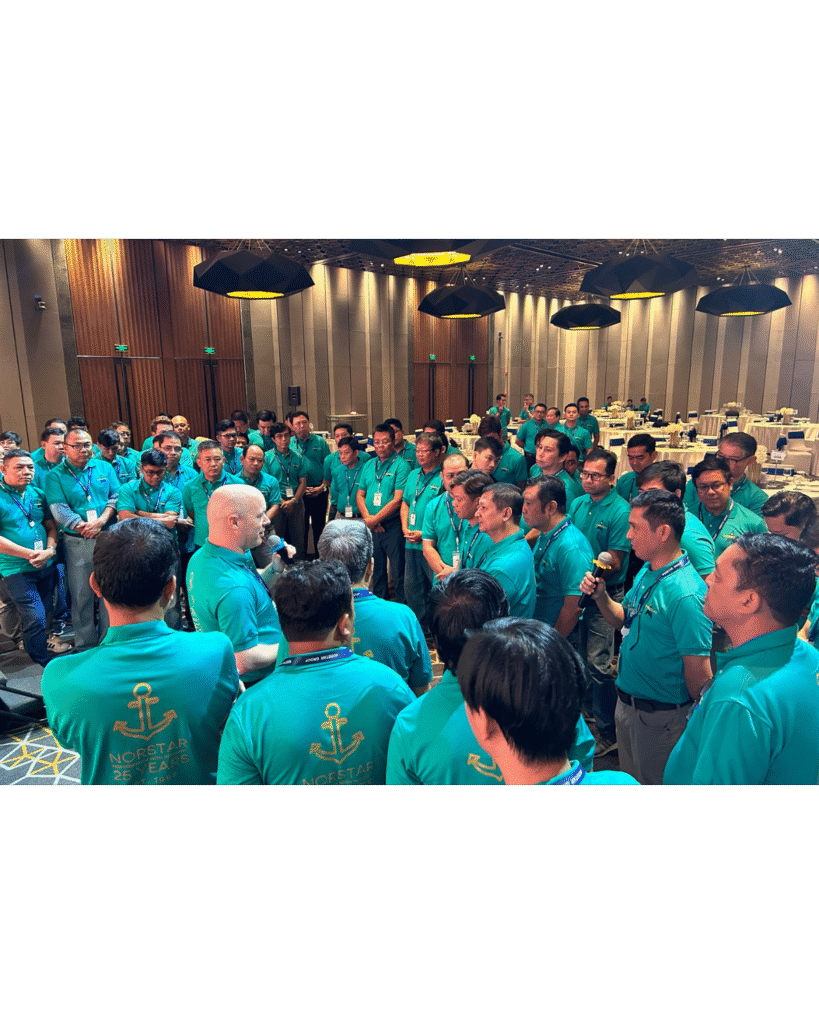
This isn’t a theoretical position for Norstar. It’s the reasoning behind the crew management division’s own partnerships with training institutions like Myanmar Maritime University (MMU) — engagement intended to close the gap between classroom and shipboard competence before it becomes a retention problem.
Closing the gap between ship and shore
The panel also addressed a tension familiar to anyone managing a fleet: what shore-based management expects operationally doesn’t always match what’s realistically achievable for crew on board. Commercial pressure to move cargo efficiently often cuts into port time, which directly reduces shore leave — one of the most valued parts of life at sea.
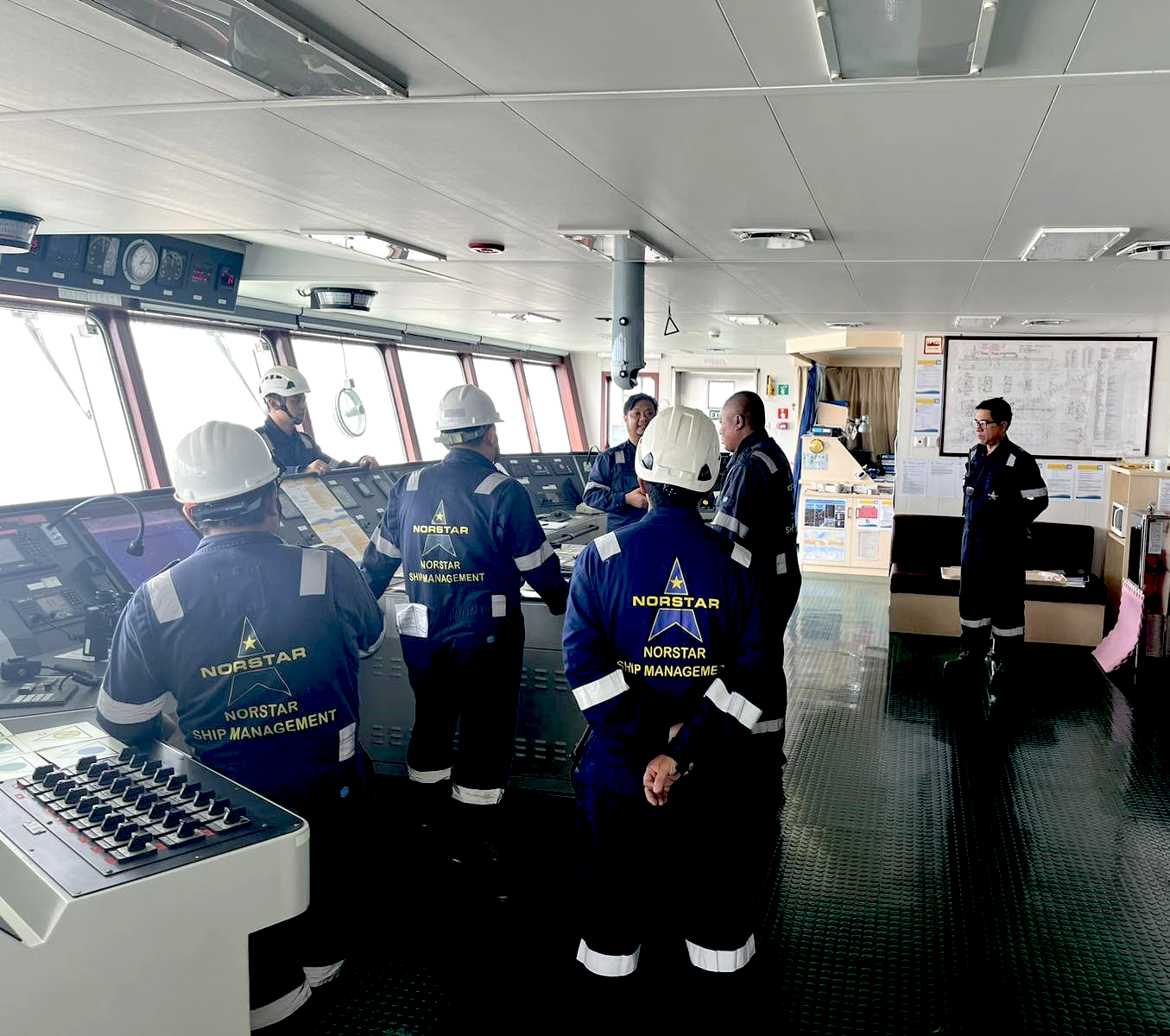
One panelist observed that ships often pass audits and inspections showing full compliance on paper, yet shore management still isn’t satisfied — suggesting the true operational reality on board isn’t always well communicated to shore teams. Proposed fixes leaned on technology: automated monitoring systems reporting data (temperature, pressure, equipment alerts) directly to shore in real time, reducing manual burden on crew and giving shore teams a more accurate, immediate picture of onboard conditions.
Capt Kyaw Swar Htet framed technology’s role in the industry more broadly during the discussion: it should support seafarers, not replace them — reducing administrative burden, improving training, sharpening crew planning, and strengthening wellbeing and communication. His summary of the point: AI won’t replace competent seafarers, but seafarers who use AI well may outperform those who don’t.
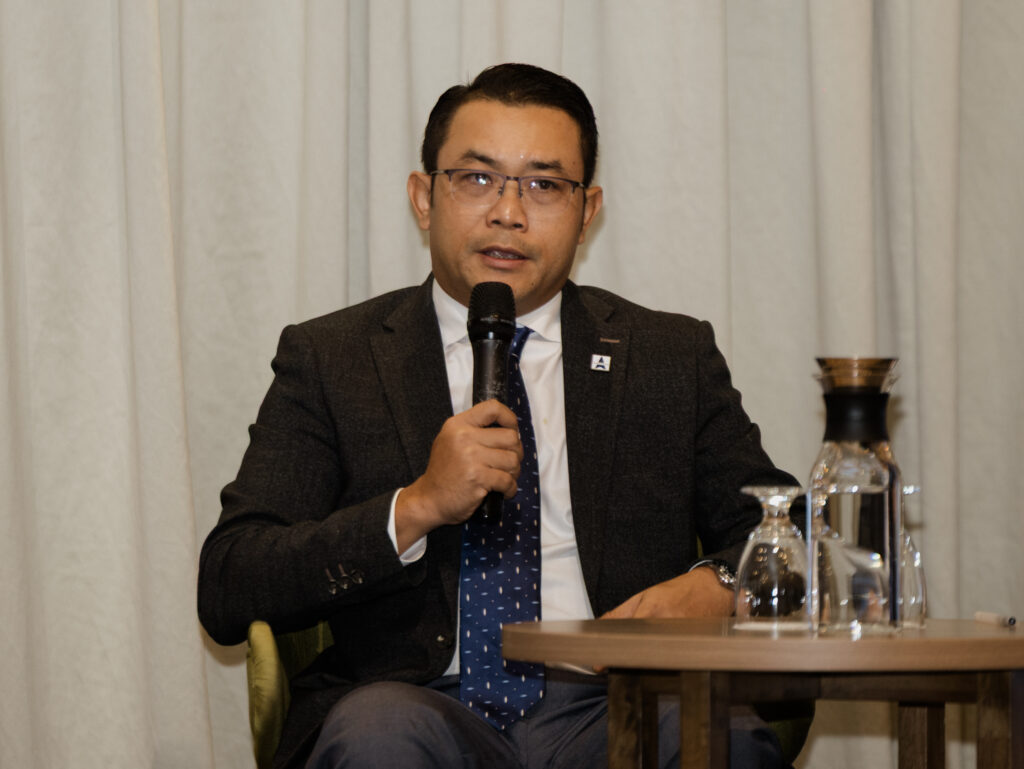
"I spent more than 17 years at sea, including five years as Master. What kept me motivated was the continuous learning and responsibility — every voyage was different. Today, working in crewing, I still see how seafaring develops resilience, leadership and problem-solving skills that stay valuable throughout a person's career." — Capt Kyaw Swar Htet
The throughline
Across the session, a consistent theme emerged: many of the pressures affecting seafarer retention today — career pathway gaps, generational neglect, ship-shore miscommunication — sit in decisions made by shore-based management, not on the crew themselves. Technology was repeatedly proposed as an enabler for closing that gap, not a replacement for human judgement, mentorship, or a properly built career pathway.
For Norstar Crew Management, the panel’s core finding lines up closely with how we’ve built our own model. We’re not a manning agency guessing at fleet needs from the outside — Norstar Group is a fleet operator itself, and our crewing approach is built around retention, competency, and shore responsiveness. An average retention rate of 98% doesn’t happen by accident; it’s the result of treating the officer pipeline as something to actively build, not just staff.
As Capt Kyaw Swar Htet put it in closing the session: ensuring the future of the industry means shipowners, managers, academies, unions and regulators working together — to make seafaring a career young people aspire to join, and one experienced professionals choose to stay in.
Interested in how we approach crew retention and officer development? Get in touch with our team.
Share the Post:
Related Posts
Your fleet is growing — and so should your access to qualified seafarers.
Let's build your crew strategy — together.

We connect ship owners with competent crew and seafarers with global opportunities.