
Implementing Crew Diversification: Considerations for Fleet Operators
Crew diversification has become central to how shipowners think about workforce resilience and modern crew management services. As long-term crewing models come under review, more operators are reassessing their sourcing structures to reduce concentration risk and build a steadier workforce over time.
Diversification is not simply a sourcing decision, though. Once new labour markets come into the picture, the challenge shifts on board. How do you broaden the crew base without weakening the stability, vessel familiarity, and onboard coordination that took years to build?
In our experience, the diversification programmes that hold up under operational pressure tend to share a common set of disciplines.
1. Start With Workforce Exposure
Before changing the sourcing model, fleet operators need a clear picture of the one they already have.
Many fleets have developed a strong reliance on a single labour market over time, often without intending to do so. Mapping crew composition across vessel segments, from tanker fleets to bulk carrier crew management, helps identify where that concentration sits and where diversification is most likely to add resilience. This includes reviewing:
- officer and rating pipelines
- nationality concentration across vessels
- rotation structures and crew deployment patterns
Without that visibility, diversification becomes guesswork. With it, the strategy can be built around the exposures that actually matter to the fleet.
2. Introduce Diversification Gradually
Diversification works best when it is phased in, not switched on.
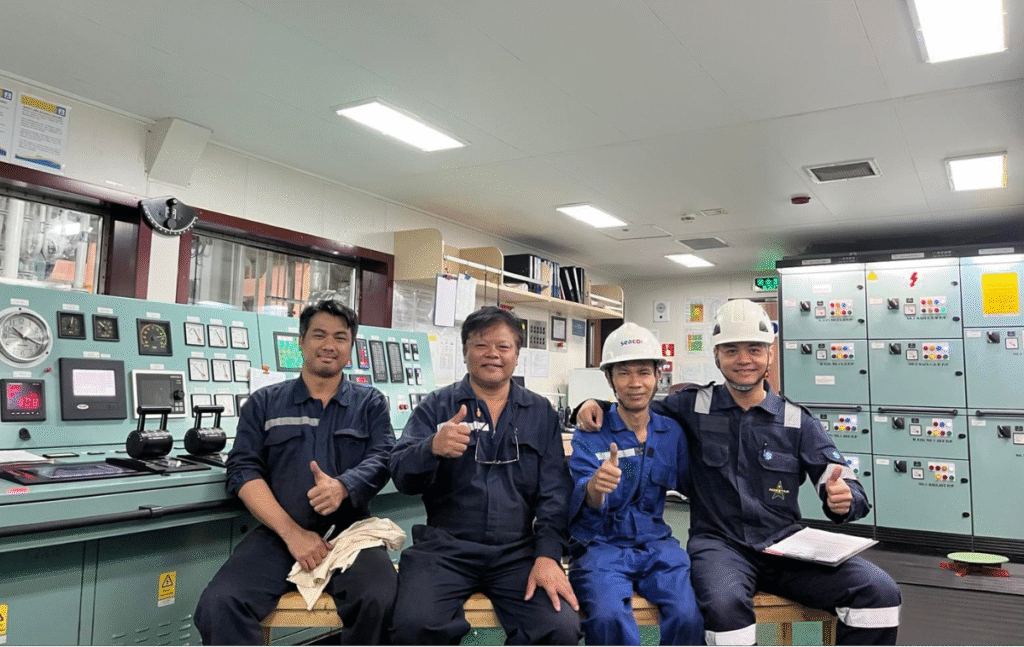
Sudden shifts in crew composition tend to disrupt onboard routines and communication patterns before anyone has had time to adjust. A more measured approach introduces new crew pools across multiple rotations while keeping experienced seafarers in the positions where continuity matters most, particularly senior officer ranks and key engine room roles.
This protects operational continuity and gives existing crews time to adapt to new working combinations rather than absorb the change all at once.
3. Maintain Crew Stability During Transition
As sourcing expands, crew stability has to stay the anchor.
Stable deployment patterns let seafarers build genuine familiarity with vessel procedures, cargo routines, and onboard leadership. Repeat assignments strengthen communication between crew members and reinforce the safety practices that keep operations predictable.
Done well, diversification complements that stability. Done badly, it simply adds turnover.
4. Focus on Integration Onboard
Diversification does not end at the point of hire. The harder work begins on board.
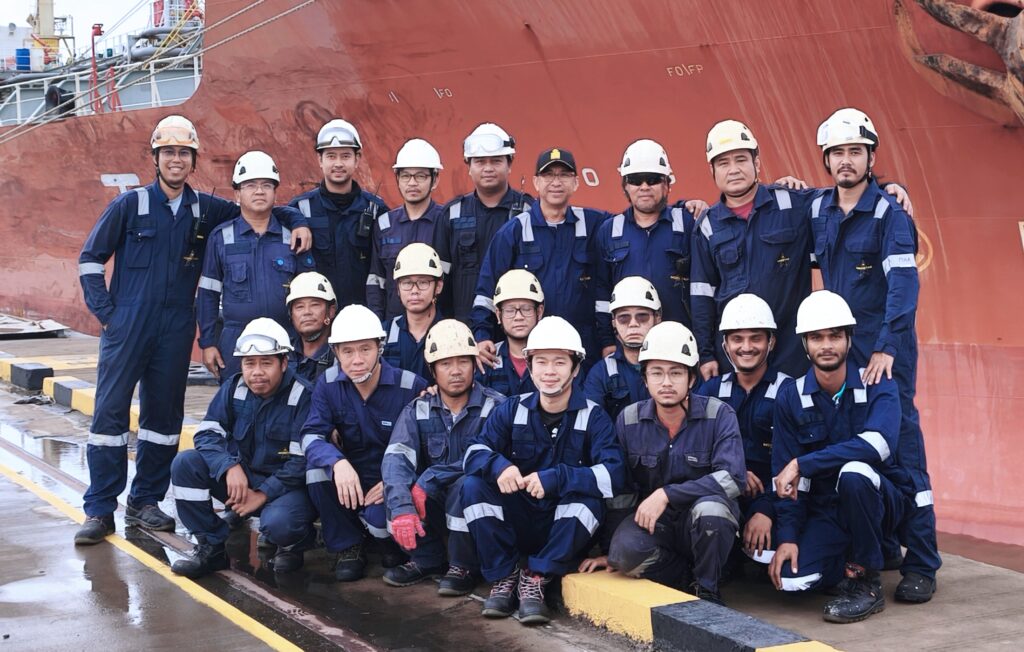
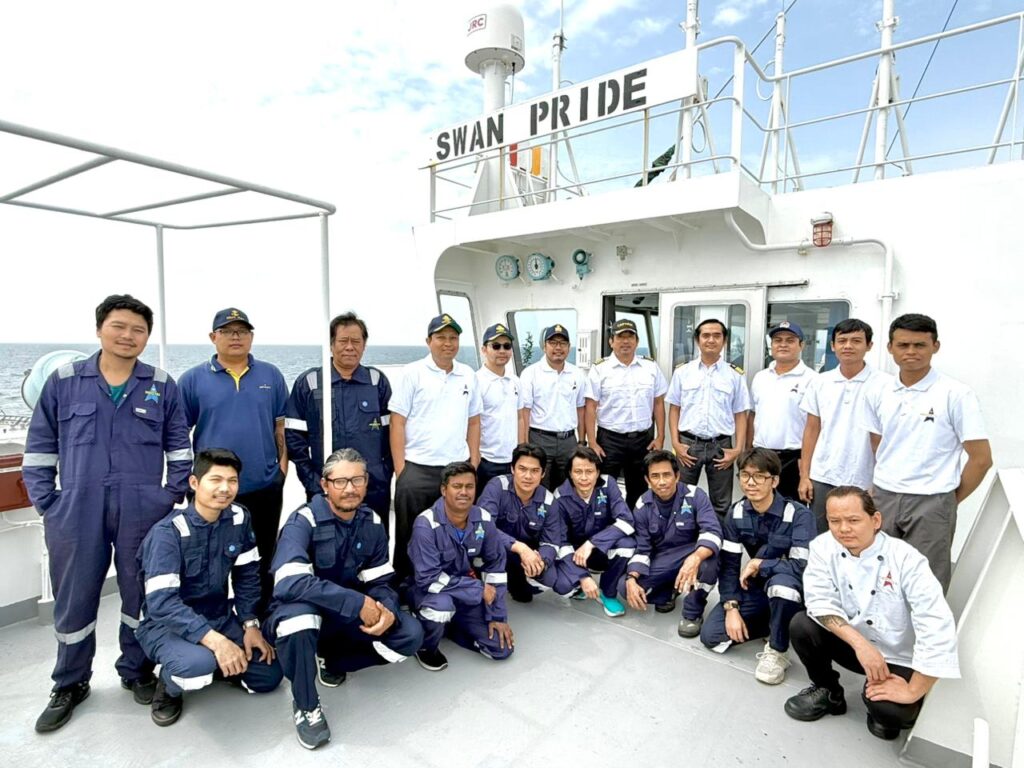
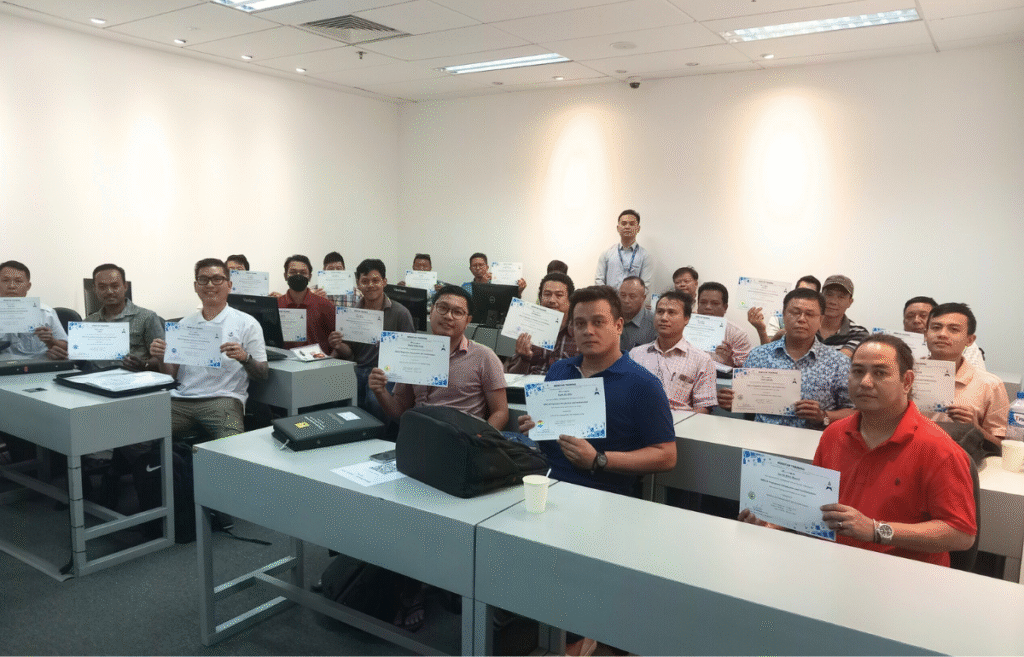
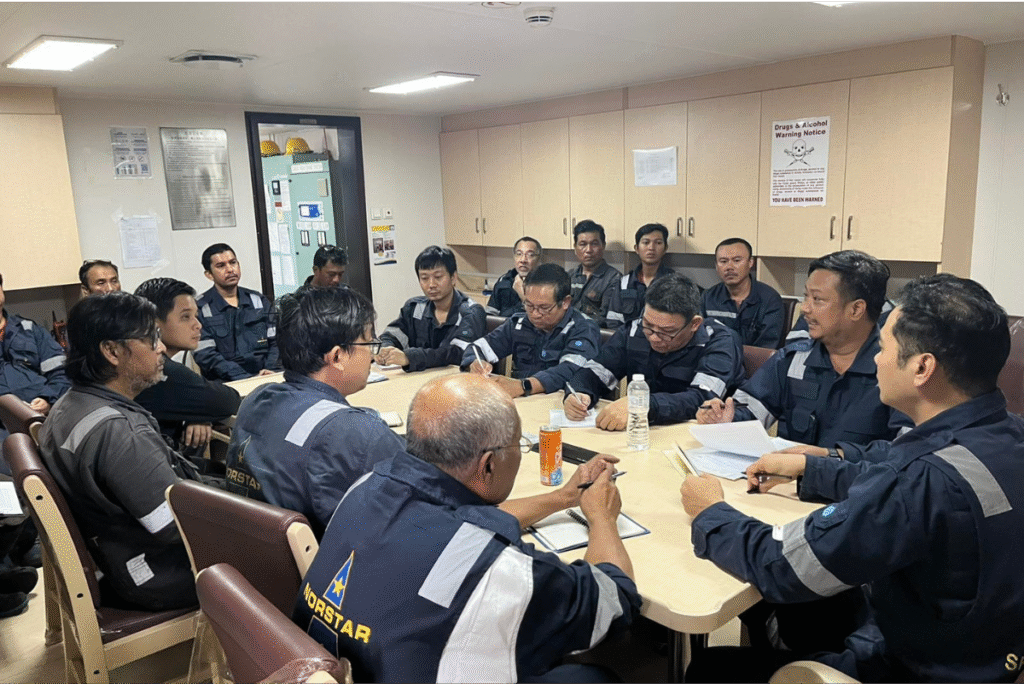
Multinational crews are now standard across most fleets, but their prevalence has not made integration any easier. It still comes down to the basics: clear communication, consistent professional standards, and strong leadership on board. Working English under pressure and alignment with the vessel’s safety culture matter most where mistakes are least forgiving, on the bridge and in the engine room.
Operators that treat integration as part of the diversification programme, rather than something the vessel will sort out on its own, see far more stable outcomes.
5. Monitor Operational Feedback
A diversification strategy is only as good as the feedback loop behind it.
Feedback from masters, chief engineers, and crew managers gives the clearest read on how workforce changes are landing in practice. Retention trends, debrief notes, and operational indicators often flag integration issues long before they appear in an incident report.
Without that input, the strategy stays on paper. With it, the model is refined as the fleet gains real experience with each new crew pool.
6. Treat Diversification as Workforce Planning
Ultimately, crew diversification is workforce planning, not a short-term sourcing adjustment.
It calls for genuine coordination across the shipowner, ship manager, and vessel manning service behind every rotation, balancing labour market access against the operational stability the vessel actually depends on. Handled thoughtfully, diversification reduces concentration risk while protecting the crew stability that safe and reliable vessel operations are built on.
From Principles to Practice
These considerations give shipowners a framework, but no two diversification strategies look the same. Workforce exposure, vessel segments, and execution capability all shape what implementation looks like in practice.
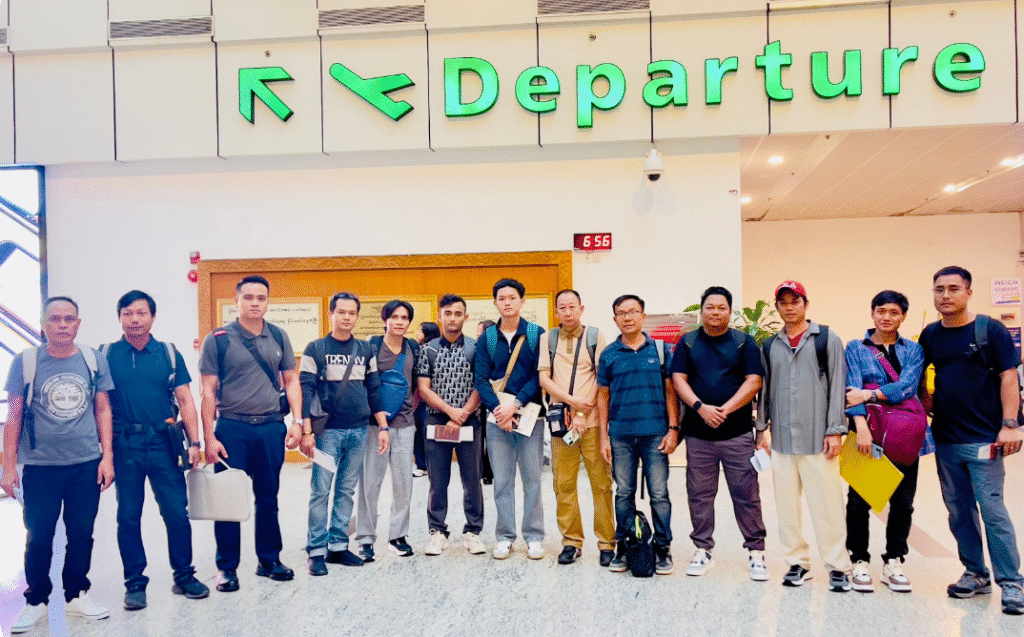
The full insight explores these dynamics in greater detail, analysing global workforce pressures and examining Myanmar as a case study within a broader diversification strategy. If you’re reassessing your own crew sourcing, it’s a useful starting point.
Crew Diversification in Practice
This market insight goes beyond the article to examine how crew diversification is being applied in practice. It explores structural pressures on traditional crew markets, common execution risks, and includes a real-world case study illustrating how emerging crew sources are being assessed within long-term workforce planning.
This article is Part 3 of Crew Diversification series.
Share the Post:
Related Posts

Your fleet is growing — and so should your access to qualified seafarers.
Let's build your crew strategy — together.

We connect ship owners with competent crew and seafarers with global opportunities.